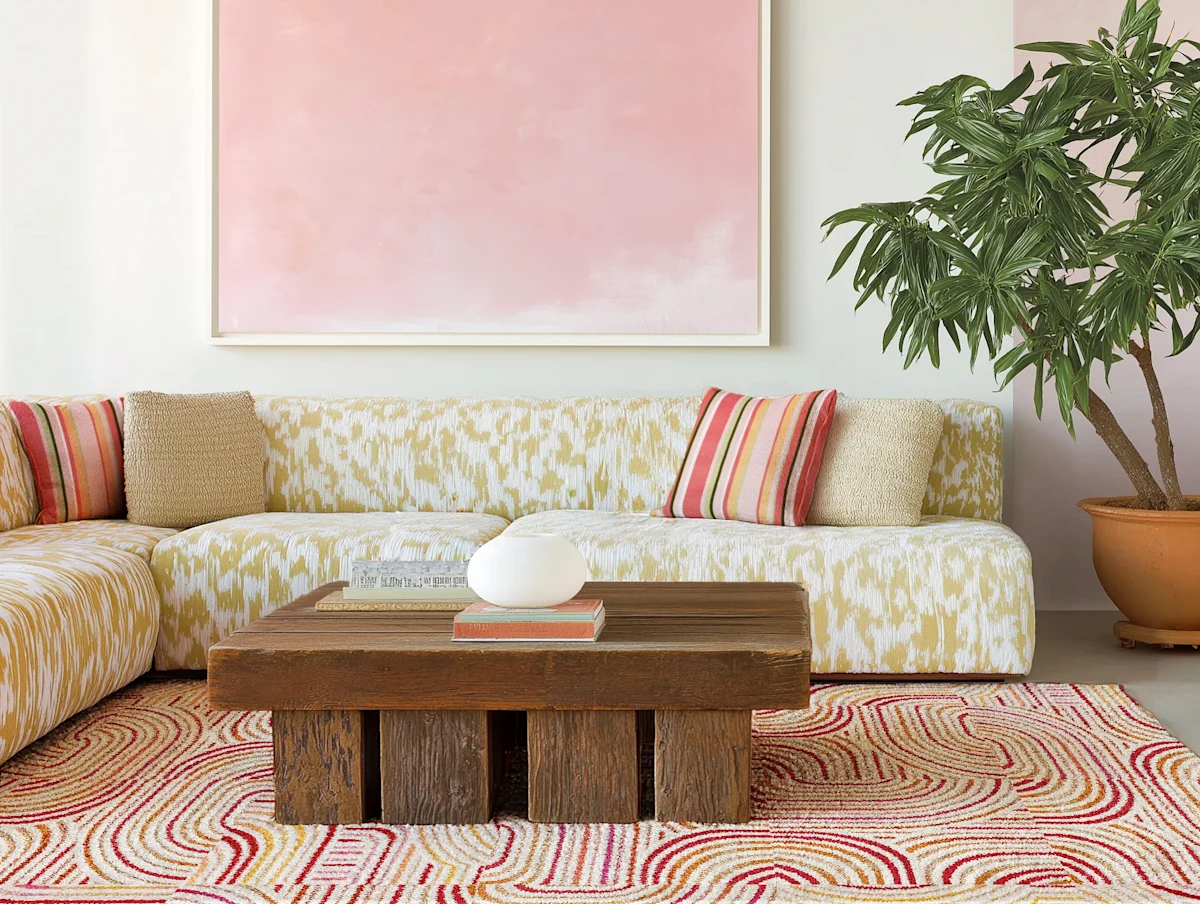
All-white and neutral-on-neutral spaces will always have a place in home design — they’re just so subdued and serene in terms of color palette. But for 2026, the style pendulum has definitely swung from minimalism back to maximalist interior design, as designers and interior enthusiasts alike have begun to embrace bold colors, pattern mixing, texture layering, and statement decor in a major way again.
But maximalist interior design isn’t just about throwing things together haphazardly. A more is more design ethos can veer into cluttered territory pretty quickly, especially if you’re unsure of how to pull it all together. That’s why you’ll want to study how the pros expertly create maximalist interiors. You can copy their design moves to make sure your home looks curated — not chaotic. Here’s what you need to know about modern maximalist interior design now before trying out this style if you’re renovating this spring.
The Rise of the Maximalist Design Trend
The 2010s were defined by a resurgence of mid-century modernism, which emphasized clean lines, earthy palettes, and simple but handsome finishes. Picture walnut wood furniture without much ornamentation, simple shapes, and “new” materials like plastic and Formica in funky colors like mustard, orange, and avocado. Overall, this aesthetic leans minimalist, and that was even more the case throughout the 2010s, as gray became the biggest color of the decade, and designers embraced white walls and sofas.
It’s easy to see how the current maximalist interior design renaissance could be a reaction to how safe and subdued interiors became. Once the pandemic hit in 2020, though, and many people were spending much of their time at home, some began to realize that colorless, patternless interiors were missing something and just didn’t spark joy.
Over the past few years, designers have begun adding personality back into the equation with patterned wallpaper, zingy colors, and striking lighting, with rooms themselves becoming mixtures of different aesthetics and riddled with well-appointed decor accents. The result? Maximalism is back, but it’s a little more stripped down than what you might remember from the 1980s or otherwise. Again, the goal is artfully layered versus packed to the brim with stuff.
Layering Color and Pattern for Dynamic Spaces
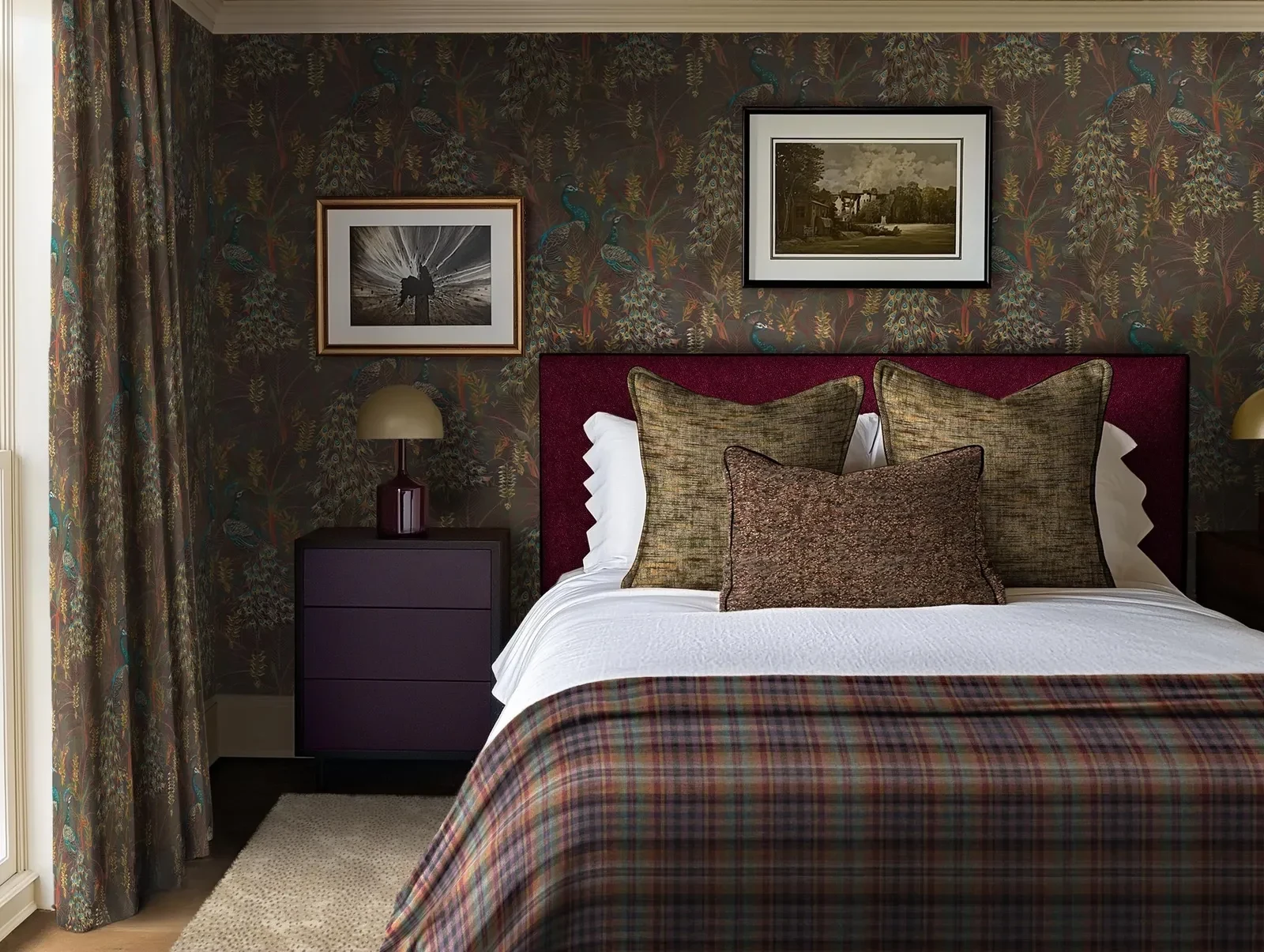
The best maximalist interiors are the ones that are expertly layered, especially when it comes to color and pattern. You can follow some designer tricks for print mixing, which includes varying the scale of your patterns. For example, if you want to use throw pillows covered in a ditzy, Liberty-esque floral to dress up a sofa, you’ll want to balance that smaller print out by pairing it with maybe larger, thicker striped pillows.
Maximalist spaces can handle more complicated, larger palettes, but you’ll still want a few main anchor shades punctuated by pops of accent colors. It’s always a good idea to build a palette off of something that speaks to you, whether that’s a piece of art, a fabric, a rug, or wallpaper. That way, you can shortcut the process of figuring out what hues go together. In general, maximalist interiors don’t shy away from saturated, strong colors. That said, lighter hues and neutrals can coexist with punchier brights and moody jewel tones; typically, more subdued colors are accent colors in maximalist interiors.
A more advanced maximalist palette might feature a dozen or so shades, but there’s always unifying threads throughout a room that help to create an eye path throughout the space. That’s the key to creating visual interest without it being overwhelming.
Maximalist Wallpaper and Statement Walls
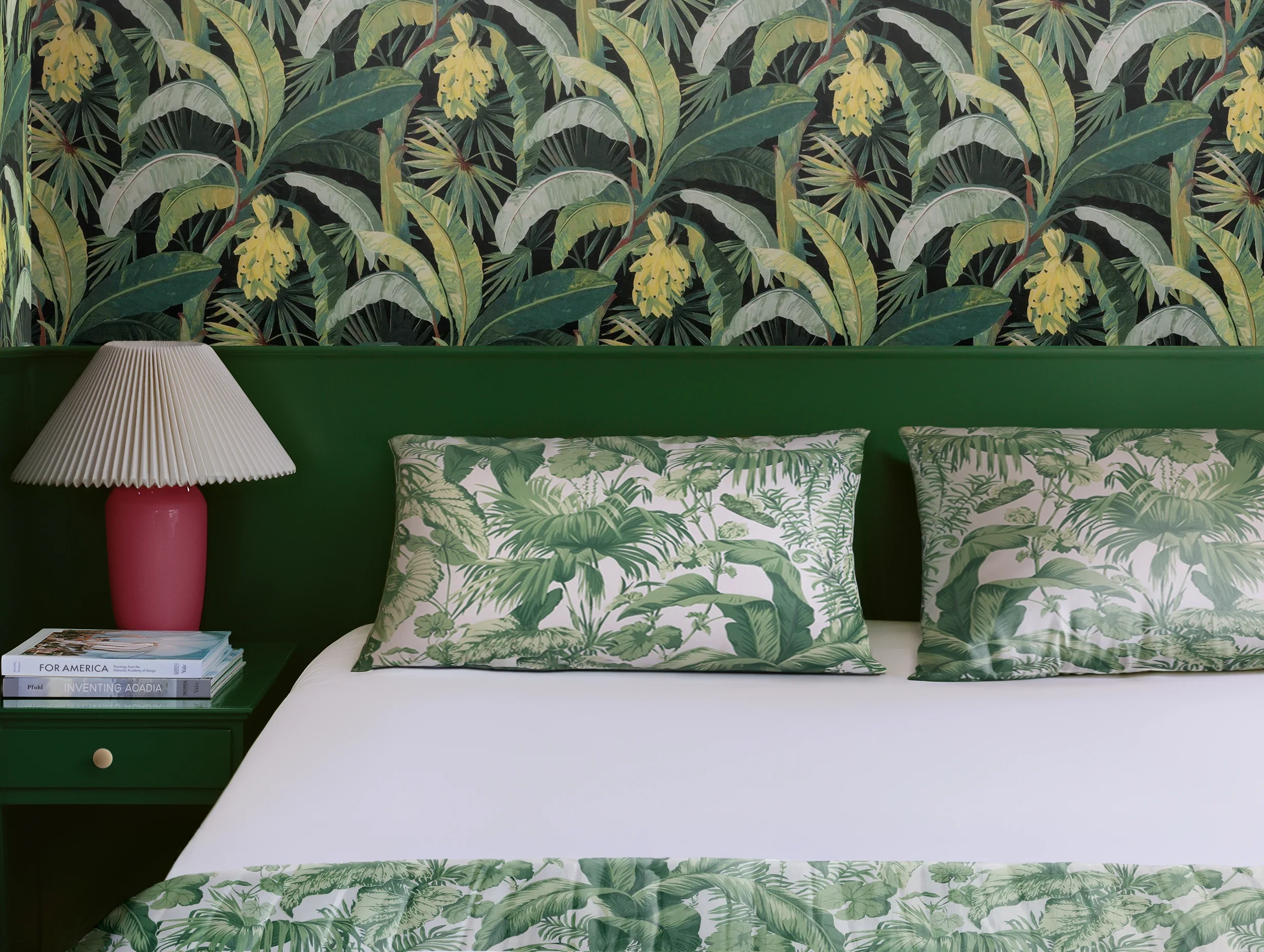
One of the easiest ways to create an instant foundation for a maximalist look is patterned wallpaper. You don’t even have to cover the four walls of a room if you don’t want to. All it takes is a single statement wall, say, behind a sofa or a bed, to lay the groundwork for a maximalist design plan.
Let your color and print preferences guide you in your wallpaper selection. You could try a banana leaf pattern similar to what’s shown here if you favor a boho look. A painterly stripe or cabana stripe can create an artsy, eclectic vibe. A colorful floral is perfect for anyone looking to go traditional with a twist. Use the wallpaper colorway you select to inform the rest of your color palette: trim and/or wall paint, rug, sofa, and so on. You might even try a mural that mimics artwork or hand-drawn “wallpaper” for your moment of high impact — every maximalist room typically has at least one of these striking design features.
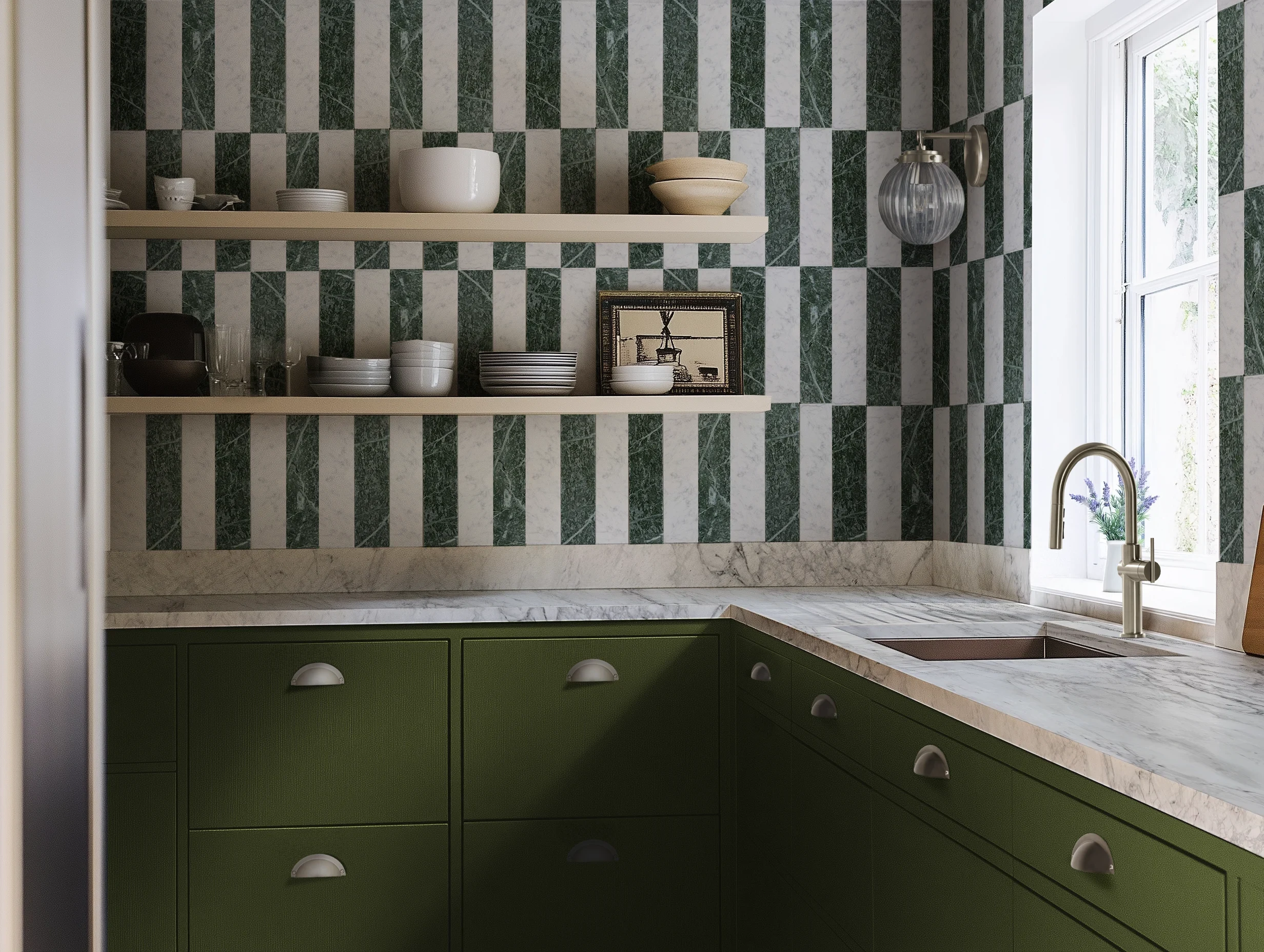
Don’t forget about tile. In spaces like bathrooms and kitchens, tile can be installed to make graphic checkerboards, stripes, or patchwork quilt-like patterns. You can also use patterned tile for an instant design statement.
Mixing Old and New in Maximalist Home Design
The recent rise in the popularity of vintage furnishings dovetails nicely with this new wave of maximalism. That’s because secondhand home finds tend to be more one-of-a-kind than off-the-shelf items; using older pieces liberally in a room takes it from cookie cutter to personality-packed.
Maximalist interior design isn’t about looking like you live in a museum, though. New finishes and contemporary pieces are just as important to pulling off this design style successfully as antiques are. The idea is that you use furnishings from different eras alongside one another.
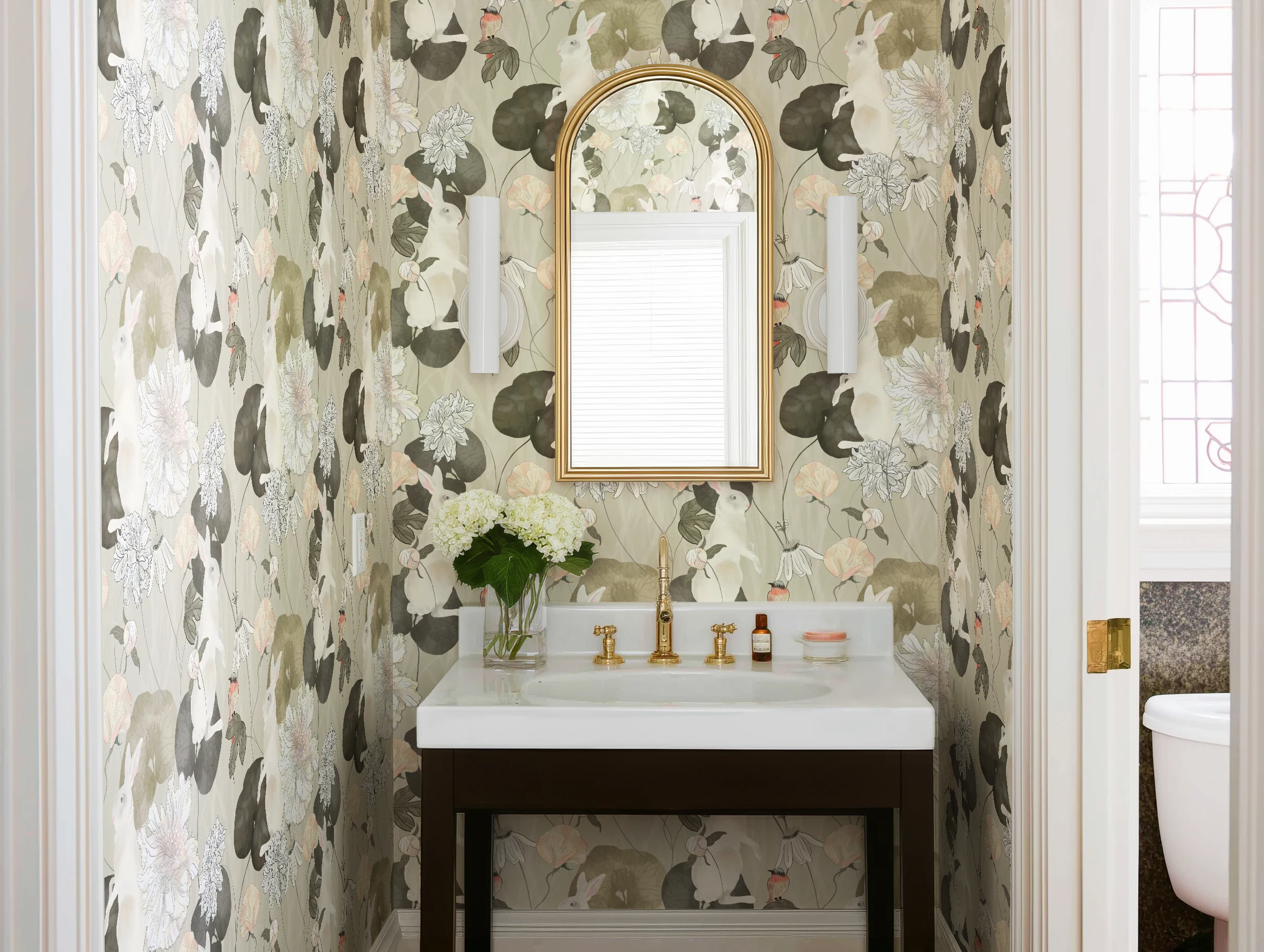
As an example, you could choose to cover a powder room with a large scale, vintage-inspired floral (and bunny-covered!) wallpaper, as shown just above. Maybe you mix in authentic Deco era sconces to flank the vanity mirror, which ups the glam factor of the space. But instead of leaning into that glitziness with a period-appropriate brass legged console sink, perhaps the sink and faucet you choose instead are modern in silhouette, just like the streamlined dark wood and ceramic combo here. The magic is really in the mix with maximalism.
Curating with Intention: Balance Amid the Bold
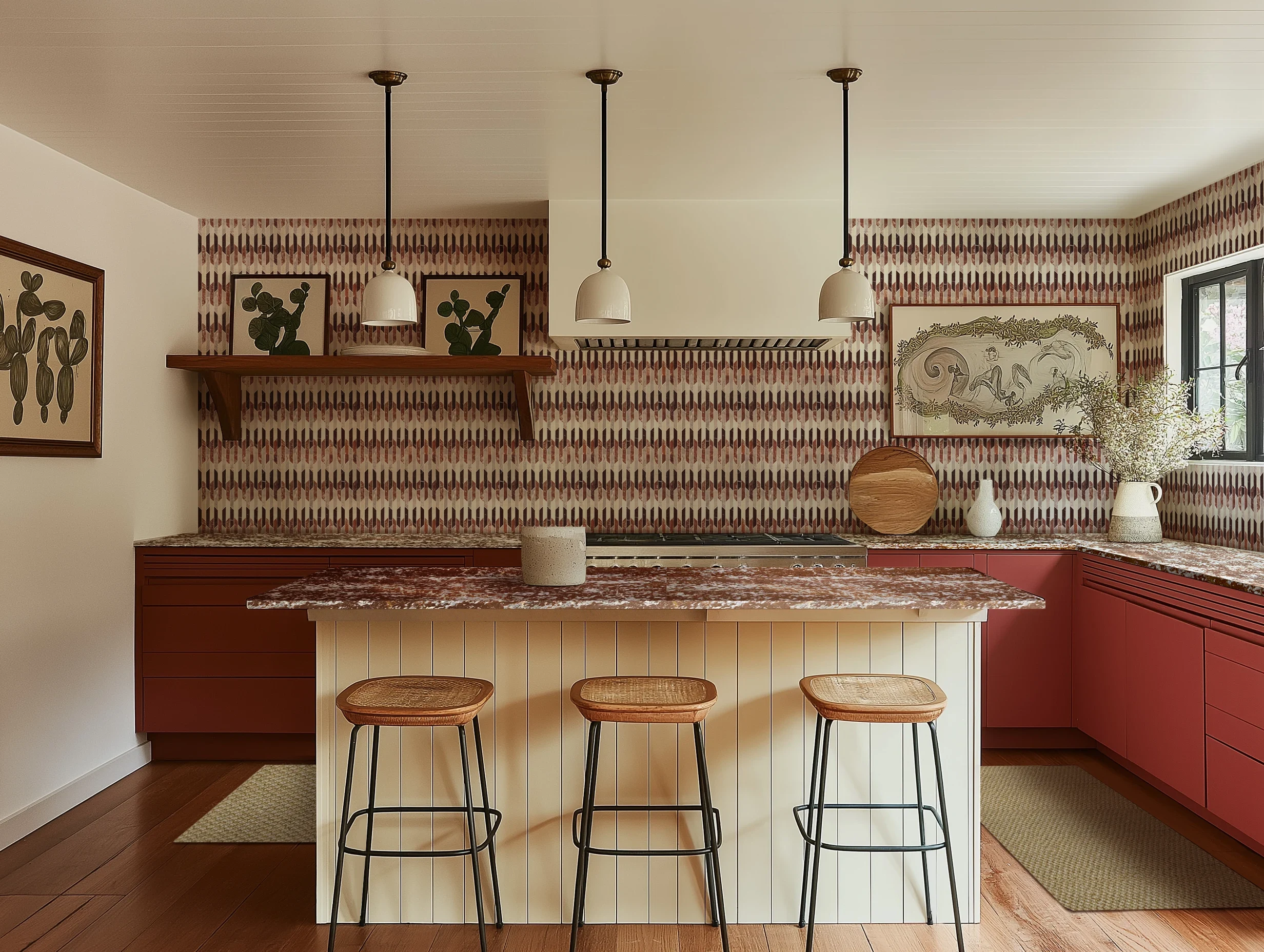
The key to modern maximalist interior design truly is balance. Even though maximalist interiors skew bold and busy, every feature or furnishing in a given maximalist room can’t embody both of those qualities. You still want certain elements to command attention in a space while others recede. That’s where visual balance comes in.
Modern maximalism isn’t about packing every last inch of a room with stuff. Instead, pockets of negative space allow the eye to pay attention to graphic wallpaper or a colorful area rug. Shelves are curated with unique objects but not overpacked; that way, you can actually spotlight the pieces that mean something to you personally. Colors might clash, but you’ll always have hits of black and other neutral colors to ground a space a bit. Let certain elements shout while others whisper; that way, your furnishings aren’t competing against one another for attention.
The Influence of Heritage and Scandi Maximalism
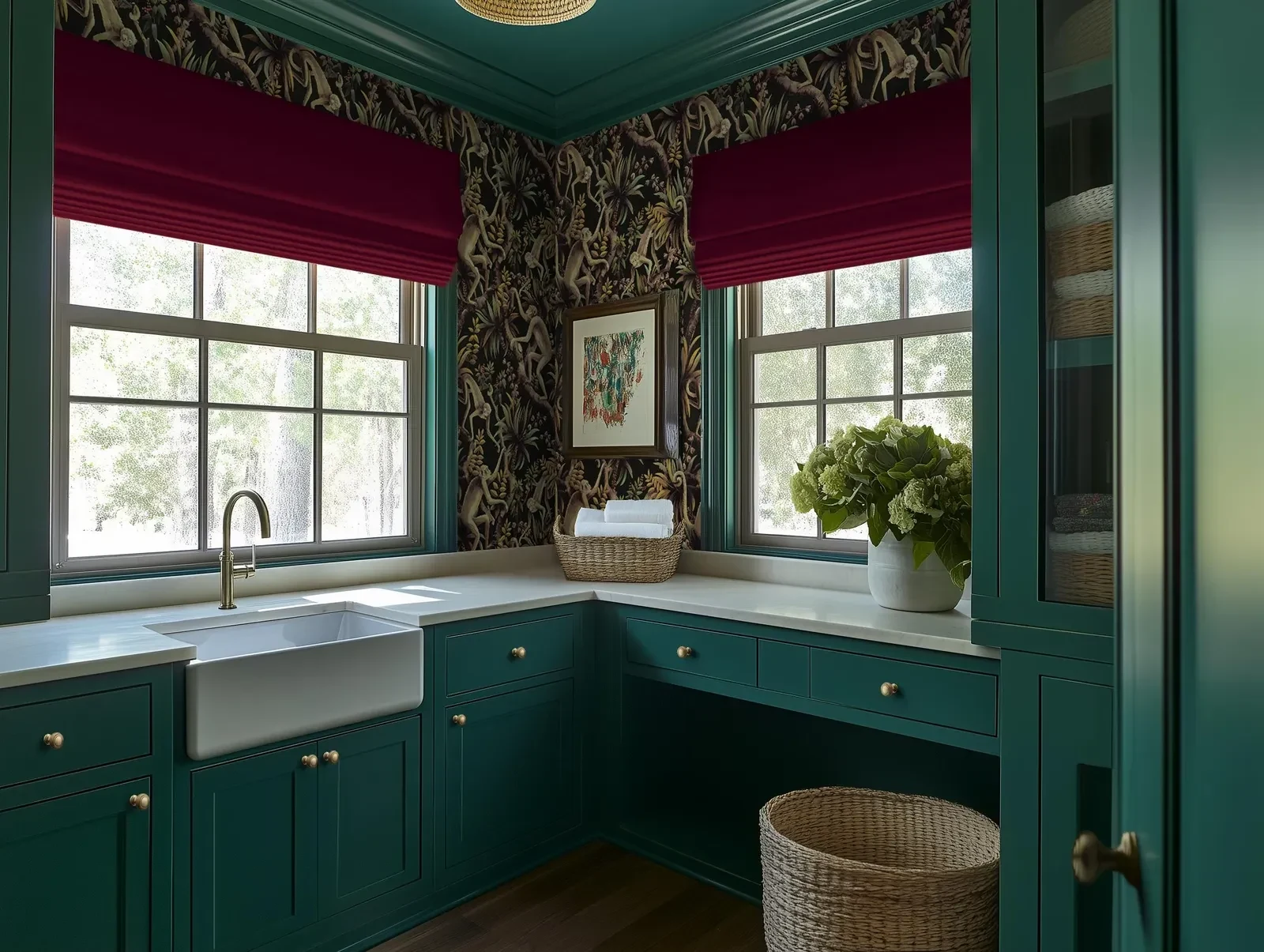
Loving neutral colors and natural textures doesn’t mean your style is totally incompatible with maximalism. Just channel the heritage feeling of Scandi maximalism, which takes the calmness and simplicity of traditional Scandinavian design and marries it with playful patterns, folk handicraft, and punchy colors.
Need a mental picture of what that might look like today? Think warm woods, folksy painted accents on cabinetry, bright colors, and nature-inspired patterns you’d associate with iconic Scandi designers like Josef Frank. You can have the best of both worlds with maximalism today. It’s all about picking and choosing what you like from certain styles to achieve a modern mix.
How Maximalist Interior Design Comes Together with DesignShop
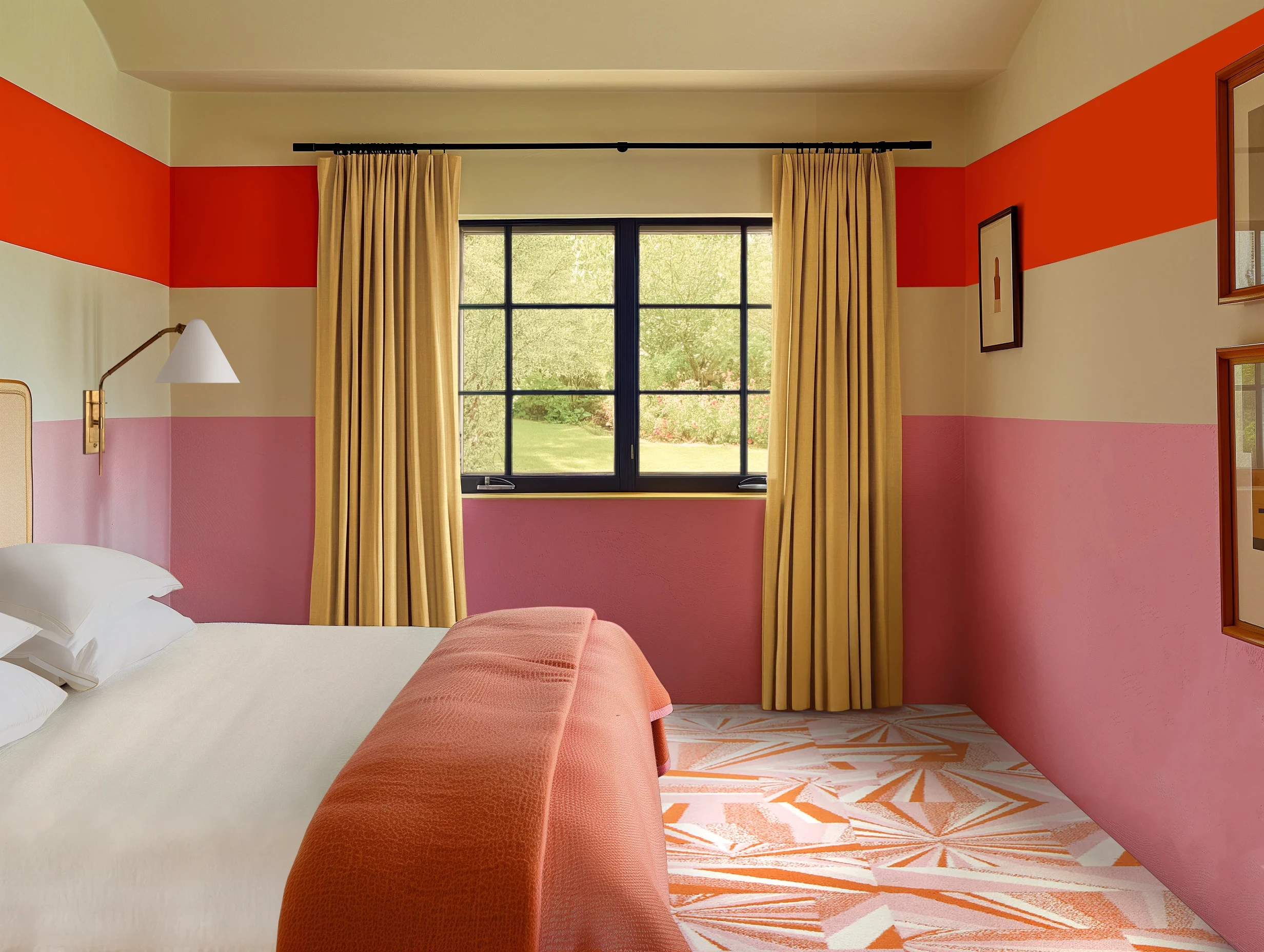
If you’re ready to channel the exuberance and joy of maximalism in your own home, make DesignShop your renovation destination. You can order samples of bold colored paint, tile, and carpeting all from DesignShop to create a maximalist design scheme in any room of your home. Getting samples before decorating is definitely the best way to make sure your maximalist room will sing.