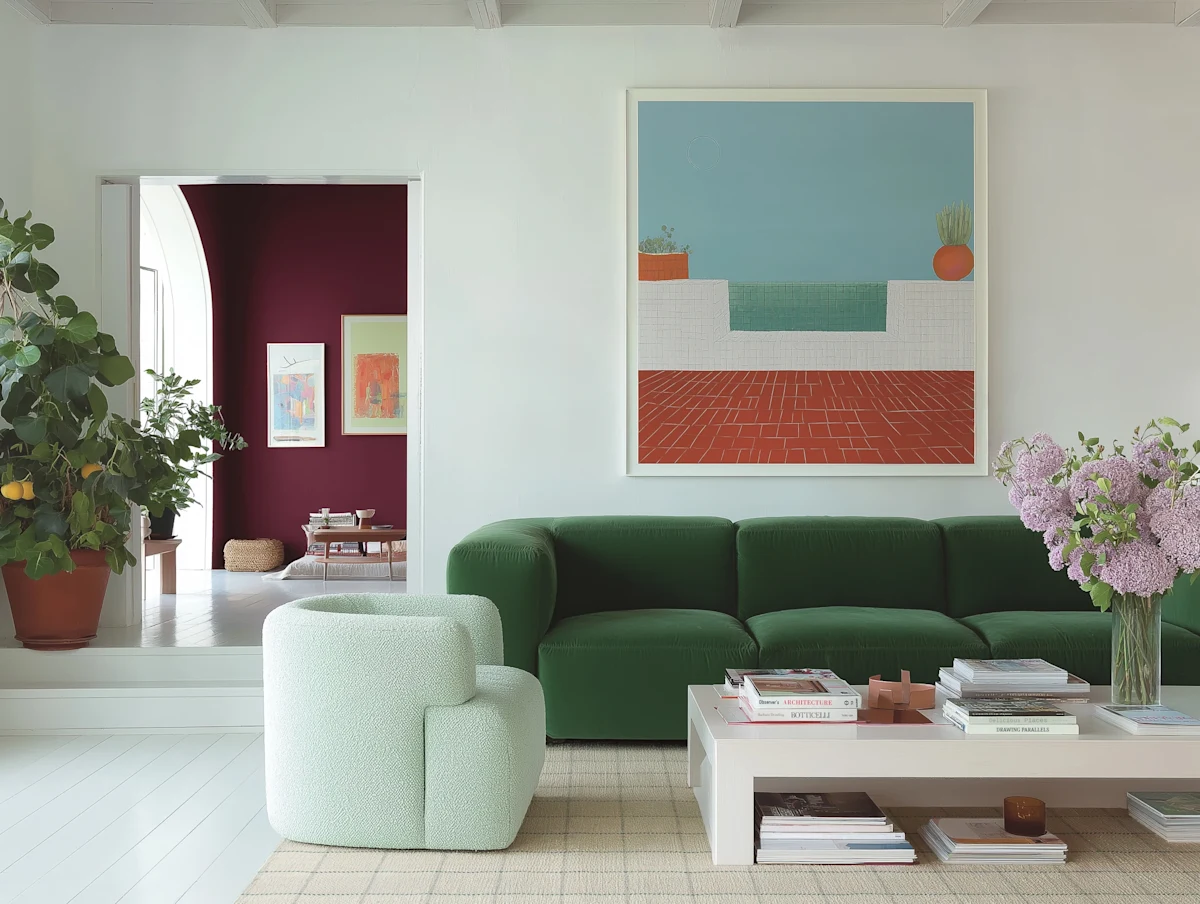
When you’re ready to take on a remodel, it can be hard to know exactly where to start. This is especially true when you’re redoing an entire home and want it to look cohesive. Before you fall in love with any building materials or select any surfaces, though, you should have a design game plan. And any good designer will tell you that selecting a color palette for a home interior is one of the best places to start.
The colors you select for your home should not only speak to your personal preferences, but they should also work well with the architecture and lighting schemes in the rooms where you’re putting them. The only problem? Thousands of paint colors exist, and wall coverings, solid surfaces, and furniture only make the process of palette building more complex. Combine this with the fact that most people see colors a little differently — and that its surrounding items can influence the way a shade appears— and you have a recipe for disaster in making confident color choices.
You don’t have to go at creating a home color palette on your own, though, even if hiring a designer isn’t in the cards. With this guide, you’ll learn some of the tricks the pros use to build out ideal color palettes, the mistakes to avoid when mapping out your colors, and even how to introduce accent colors to the mix without creating visual chaos.
Why Your Home Color Palette Matters
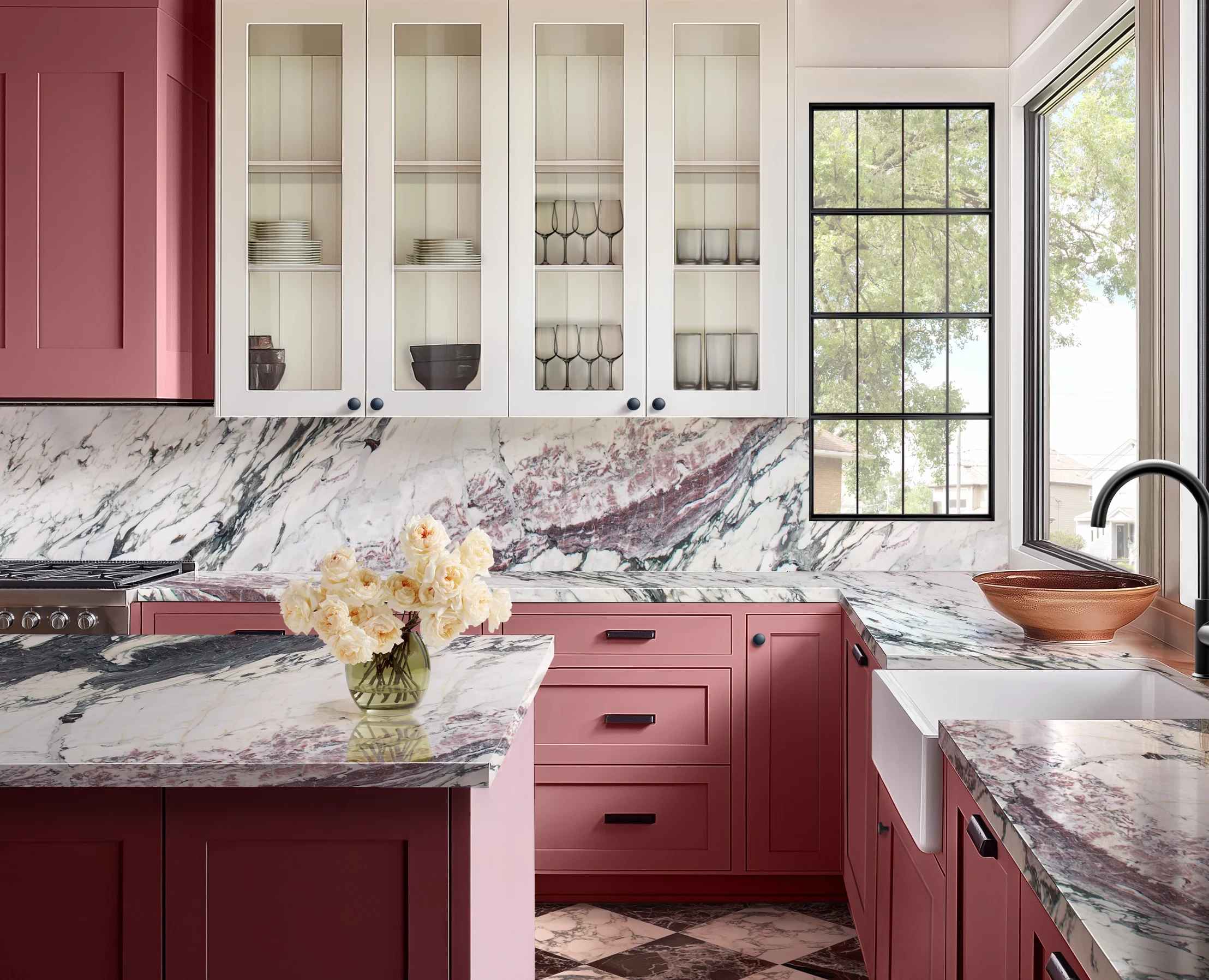
Color can be a powerful tool for setting the mood and vibe for spaces. It can work to enhance (or detract) from the overall impression your home creates in a number of ways, from how welcoming it seems for guests to how at ease you yourself or your family may feel in it.
Color can influence functionality, too. For example, think about the experience of spending time in a red painted room versus a light gray one; reds tend to be energizing, whereas grays are softer and more soothing. Certain shades, then, can reinforce the way you want to use a room. And color can also create strategic optical illusions. A lighter hue sometimes can visually expand a small space, while a darker shade can make a room seem cozier and more intimate. For all of these reasons, your whole home color palette matters and will take some time and effort to get right.
Understanding the Basics of a Whole Home Color Palette
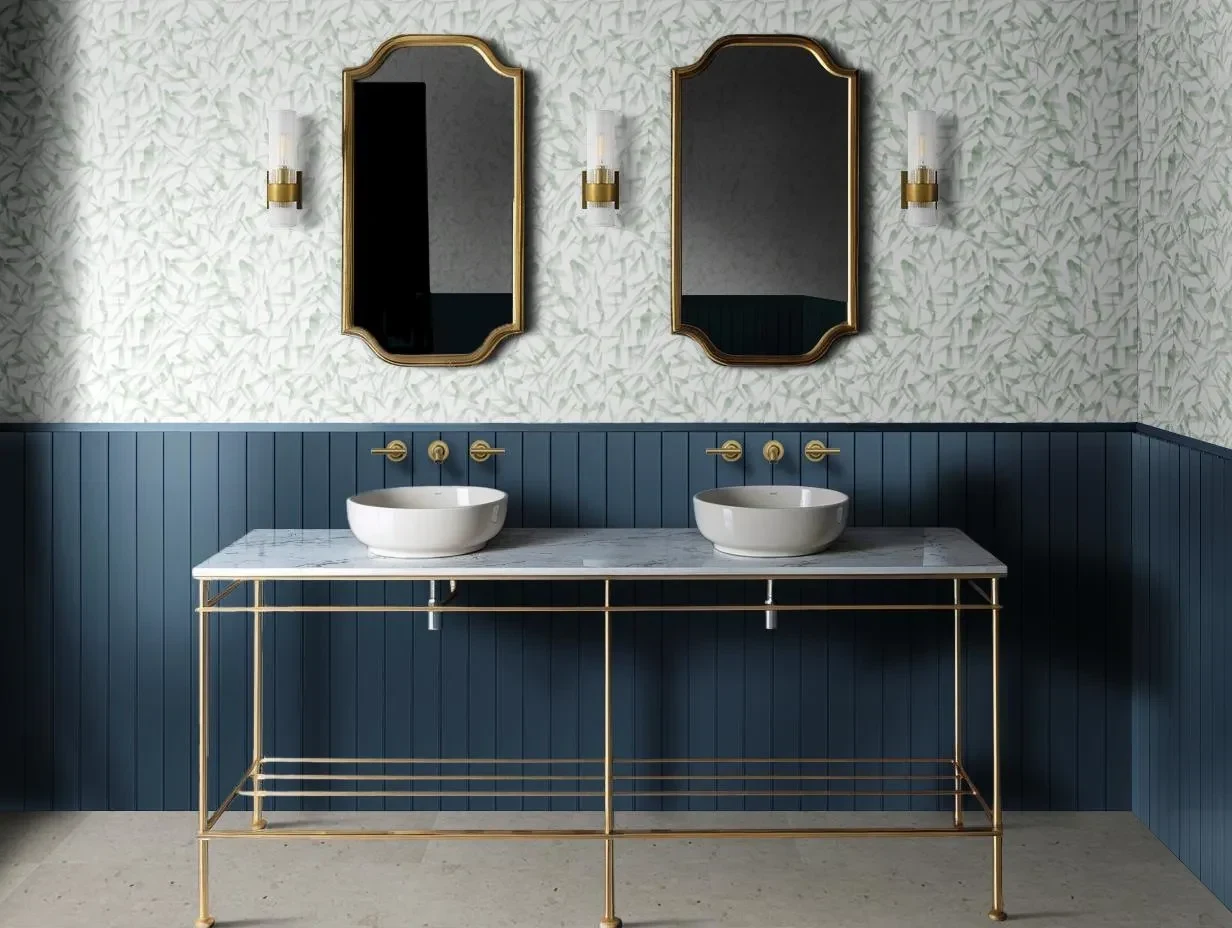
A cohesive color palette for a home can set your renovation up for success by making it easier to shop for furnishings, fixtures, and decor that go together seamlessly. But before you go selecting any hues, it’s a good idea to get acquainted with a little bit of color theory first.
Colors on the color wheel are broken down into three major categories: primary colors, secondary colors, and tertiary colors. Each shade’s placement on the wheel defines its relationship to the other colors.
Primary colors are the anchors of the wheel because they cannot be made by mixing other colors. This group consists of red, blue, and yellow. When you mix two primary shades, you get a secondary shade. The secondary shades are green, purple, and orange. Finally, when you mix a primary shade with its adjacent secondary color, you get a tertiary color. These six tones include: blue-green, blue-purple, red-orange, red-purple, yellow-green, and yellow-orange.
The color wheel itself is great for visualizing how colors might work together based on where they sit. Colors directly across from one another are known as complementary colors, and they’re said to create dynamic pairings. Complementary color pairings include blue and orange, red and green, and yellow and purple. Analogous colors sit next to each other on the color wheel, typically in groupings of three. Because they are so close in proximity, they create a soothing effect when teamed up.
Finally, colors are often classified as either warm or cool depending on their undertones. In general, the yellow, red, and orange part of the color wheel is warm, while the blue, green, and purple portion is cool. But most colors can display warm or cool characteristics depending on their individual undertones. Olive green, for example, can be considered warm because of the amount of yellow that’s in it.
Finally, neutral colors exist as well. These are shades not explicitly on the color wheel, and they lack color in a traditional sense. They tend to work well in whole home palettes because they go with everything. Neutrals include shades like white, tan, beige, ivory, cream, black, and gray.
Thinking about how certain colors will mesh together — and what kind of effect that creates — will help you arrive at a combo that will suit your whole home.
How to Choose the Right Color Palette for Home Interior Design
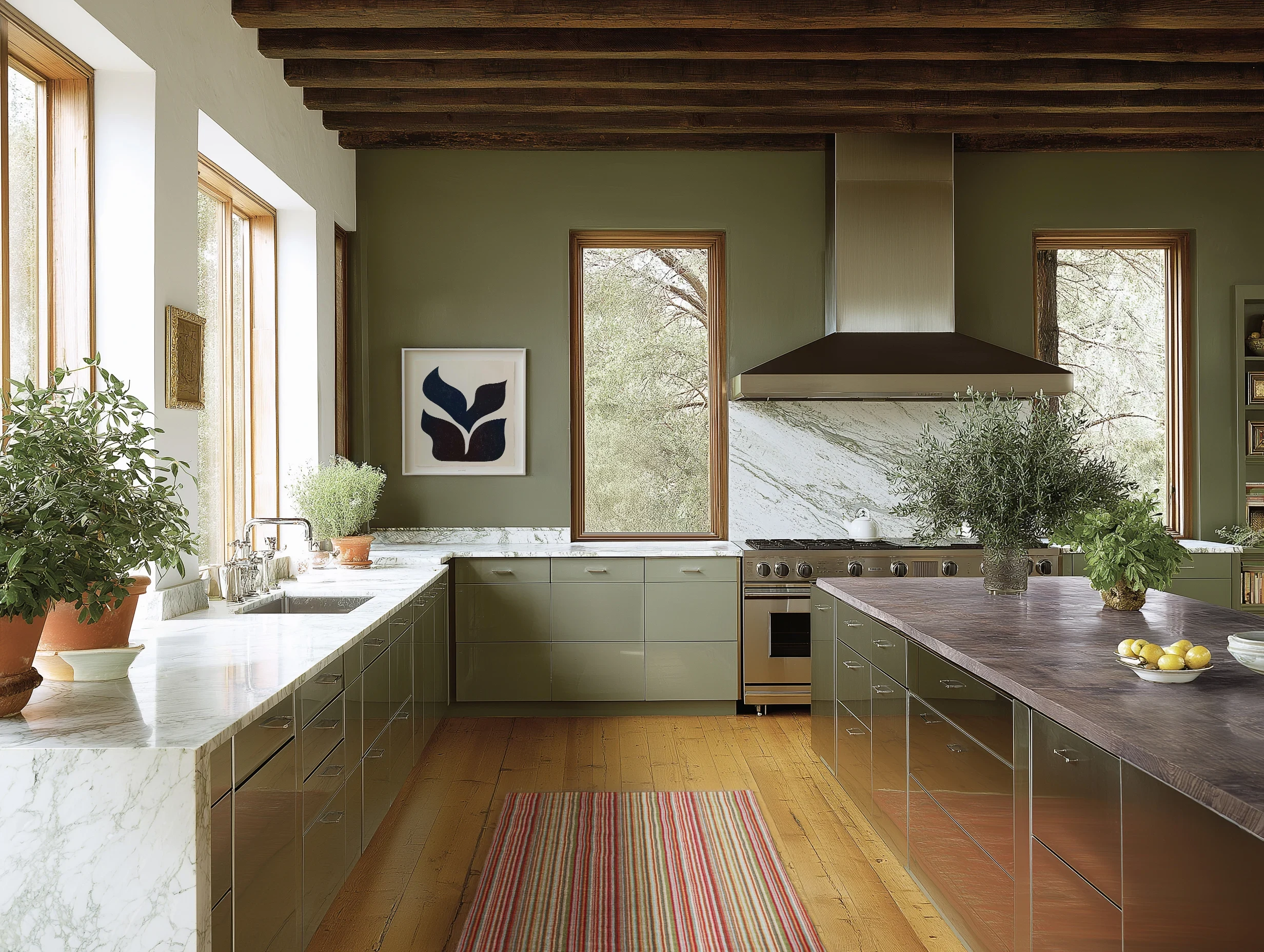
Honing in on a home color palette isn’t always a linear journey. What can make the process easier, though, is using some variant of a tried-and-true, color wheel-generated palette as a short cut. Here are a few options:
A Complementary Color Palette: Pick a color on the wheel and use its complement, or direct opposite on the wheel, to create instant visual dynamism.
An Analogous Color Palette: Select a color on the color wheel, and team it up with its surrounding shades for a soothing vibe.
A Triad Color Palette: Choose three main shades spaced at equal intervals on the wheel for a nice amount of shade variety.
A Split Complementary Color Palette: Find a color on the wheel and pair it with the two colors next to its complementary color for a little less contrast than a true complementary color palette.
A Monochromatic Palette: Choose one color and only use variations on that shade for a visually quiet, tonal scheme.
It’s also possible to pull a whole home color palette from a favorite piece of art, a rug, or even an outfit. No matter which of these short cuts for palettes you choose (or if you use another method entirely), it’s a good idea to start your selection with a color that resonates with you — something you’d want to surround yourself with day in and day out.
Going Room-by-Room
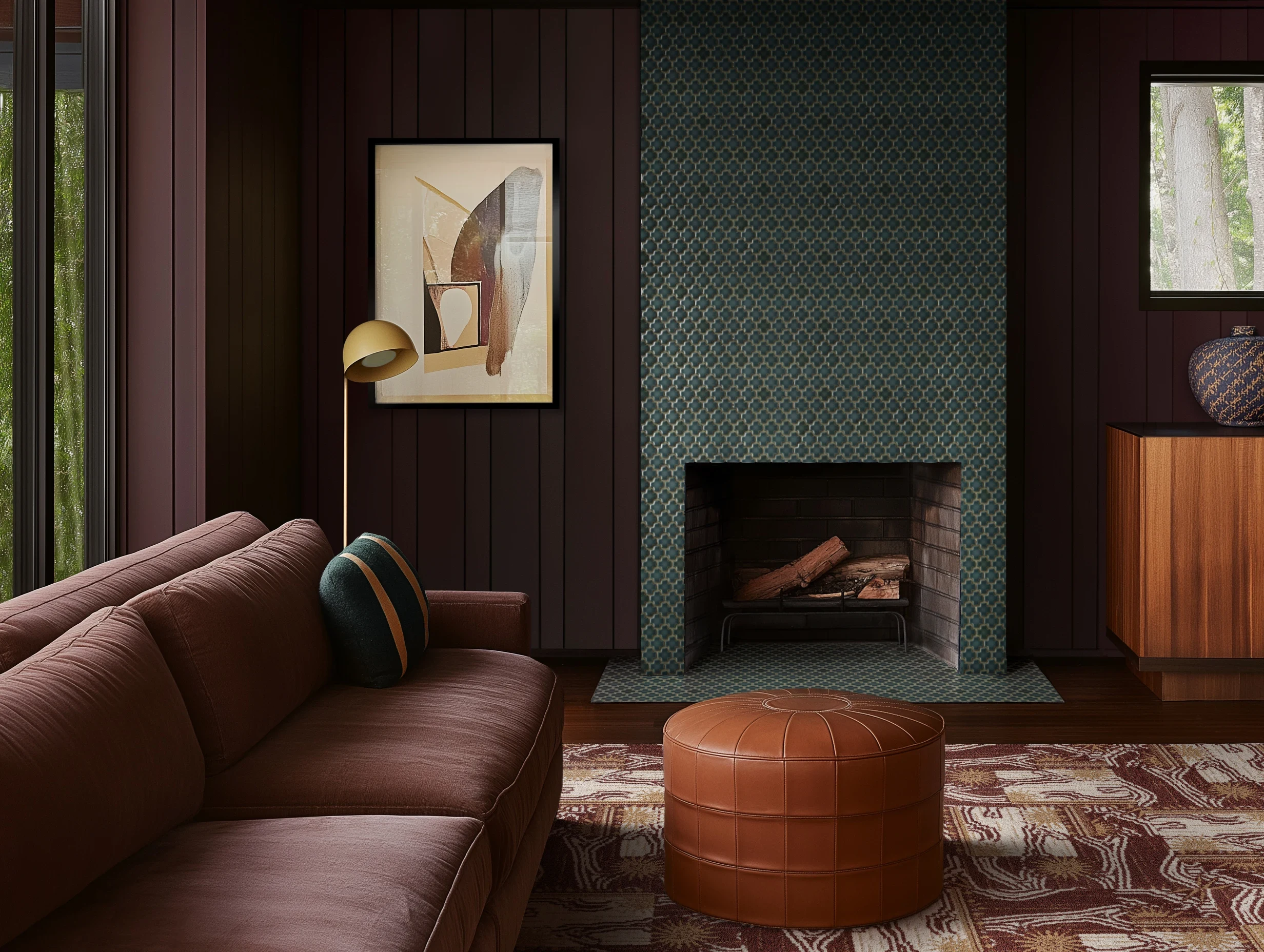
Once you’ve selected the framework for your home color palette, the next step is going room-by-room to figure out how to execute that overall vision. Depending on the whole house palette you choose, most rooms will have a few different shades in them. But every room doesn’t have to have every shade from your overall palette. Typically, each room should include the following:
Dominant Color(s): The main color, or colors, in a space (think: walls and floors, large pieces of furniture like a sofa)
Secondary Color(s): Supporting shades to your dominant color(s) that typically harmonize with the dominant color(s) and one another (Note: The use of the word secondary here is not to be confused with secondary colors on the color wheel)
Accent Color(s): Shades that provide some “pop” against dominant color(s) and/or secondary color[s)
Neutral Color(s): Shades like white, black, and gray that balance out the more vibrant hues at work in the room
How to Incorporate Accent Colors Without Overwhelming Your Space
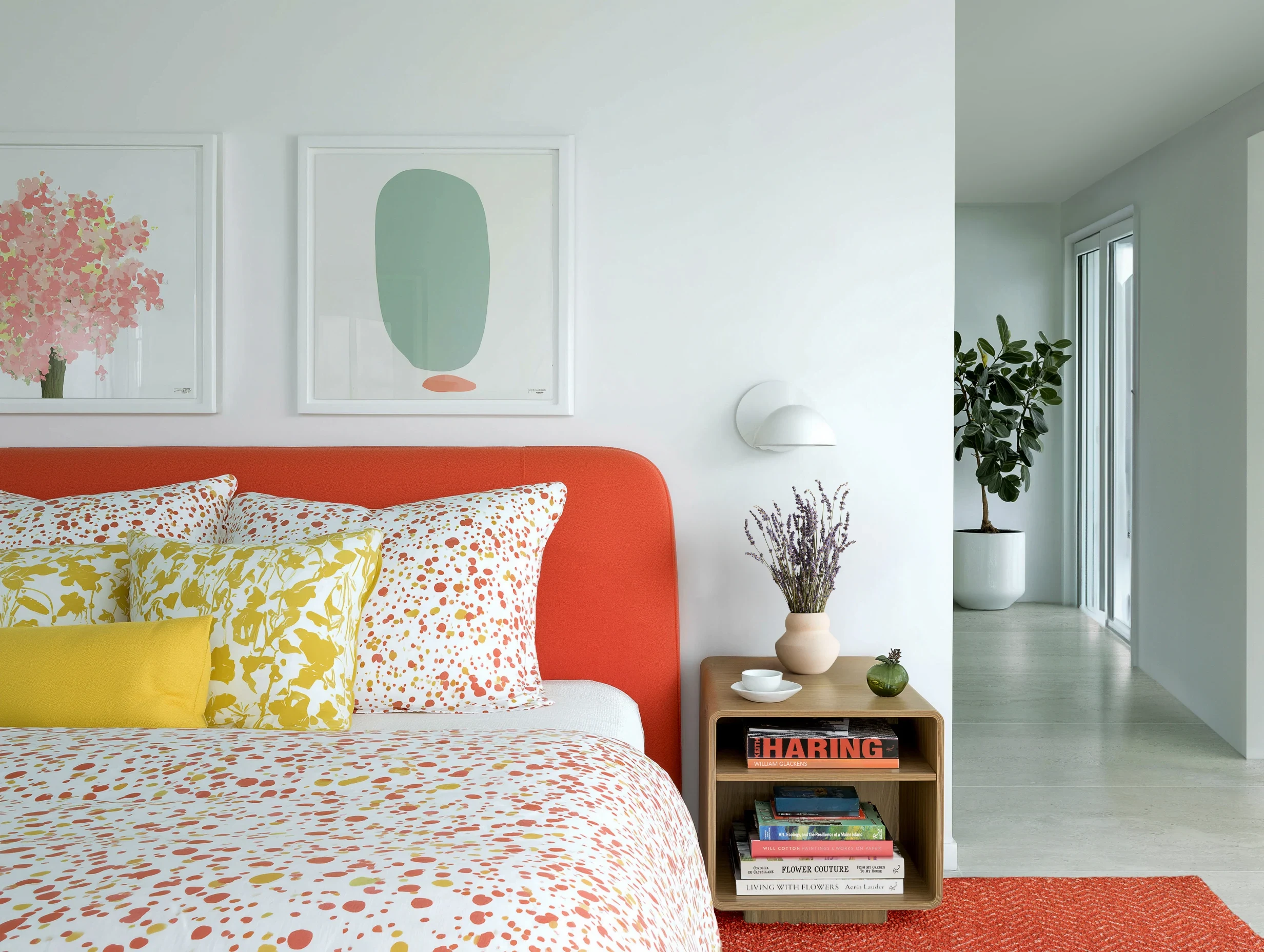
The key to choosing accent colors without creating visual noise is not to go overboard with your picks. For best results, stick to a small handful of accent hues (three or so, max), and use them on items like decor, textiles, smaller pieces of furniture (like side tables or ottomans), and artwork.
Some designers swear by what’s called the “60/30/10” rule for room palette building. This breakdown helps to create balance that mimics the golden ration in nature. The color percentages shake out like this:
60 percent of the room is composed of the dominant color(s)
30 percent of the room is composed of secondary color(s)
10 percent of the room is composed of pops of accent colors for contrast
Mistakes to Avoid
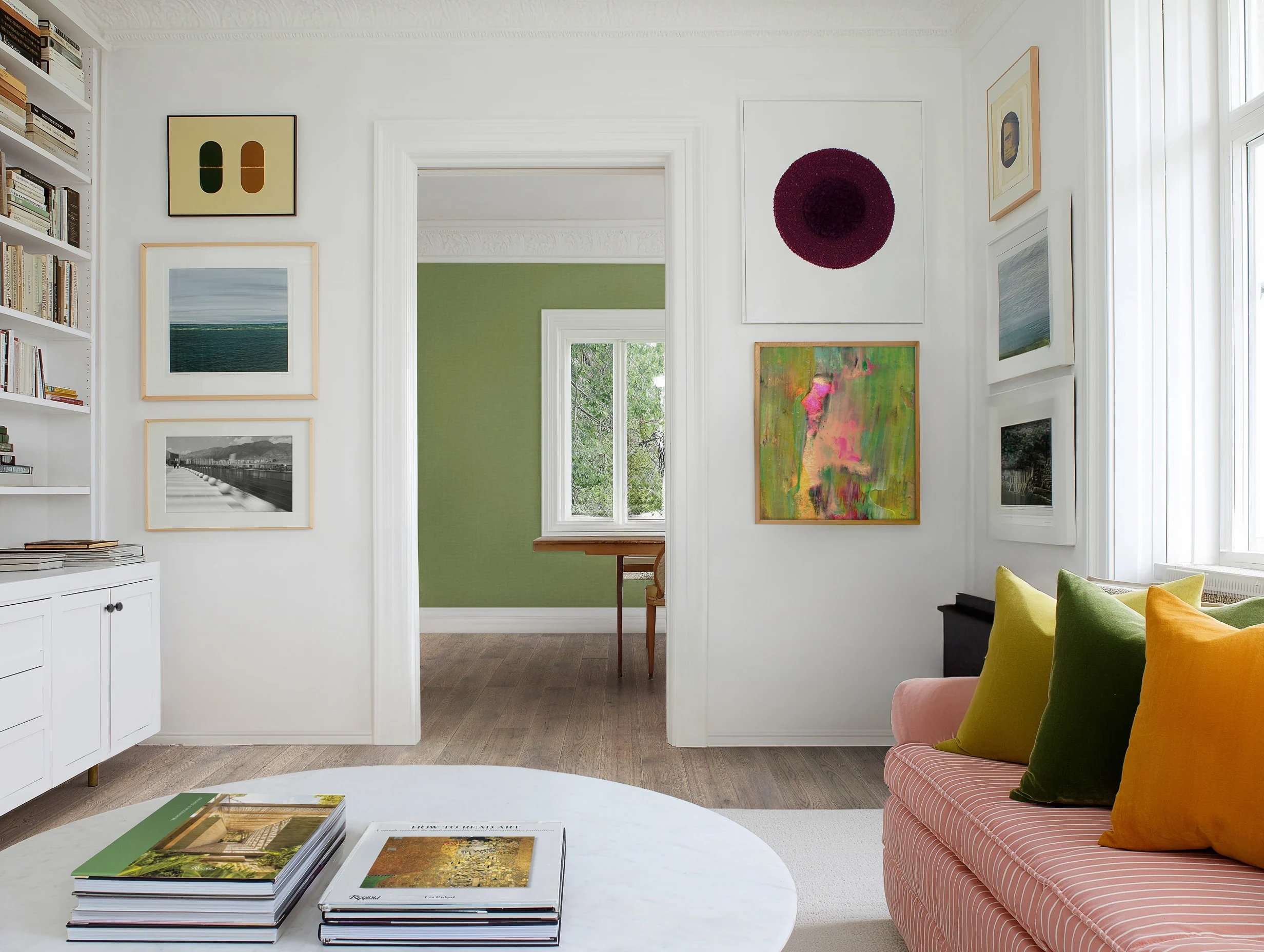
Whole home color palettes and individual room color schemes can be tricky to build out. You can fine tune yours by watching out for these typical pitfalls.
Using too many colors. If your color palette is too broad, your space can start to look chaotic. Remember: The more shades you add, the harder it will be to weave them into your spaces in a balanced way. But it’s possible to work with several shades.
Forgetting to distribute your accent colors in a space. Speaking of balance, be sure to pepper your accent color(s) throughout a room. If you concentrate these hits of color in one area, they’ll start to take on the appearance of a secondary or dominant color.
Inconsistent color use. On the flip side, you can’t just use a color in a room once and expect that to create cohesiveness throughout an entire home. Colors must be used intentionally and repeated in some iteration in several rooms for a whole house palette to really hang together.
Not considering lighting and environment when choosing colors. Natural and artificial lighting impact the way colors read. Make sure you like the shades you choose in all lighting situations throughout the day (in sunny and cloudy weather) and with your home’s architecture.
How DesignShop Helps
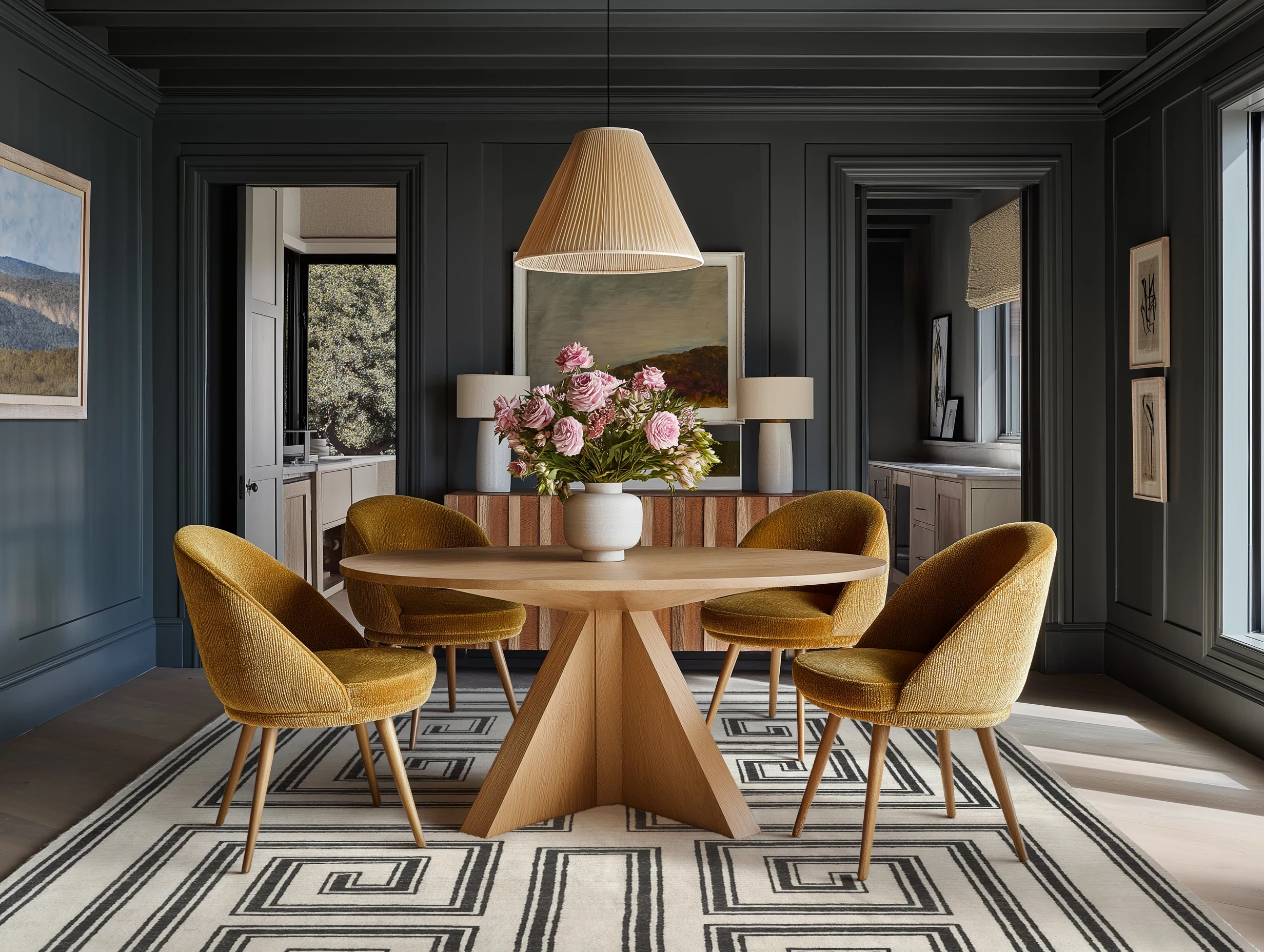
One of the best ways to avoid making the home color palette mistakes above? By ordering samples of materials once you’ve committed to a color palette. You might even find it helpful to explore certain color and material samples like paint shades, for example, before you finalize your palette. Physical samples can give you a great sense of how certain hues will play together in real life versus theoretically on the color wheel. Check out DesignShop for samples so you can start making progress on your whole home color palette — and renovation! — today.