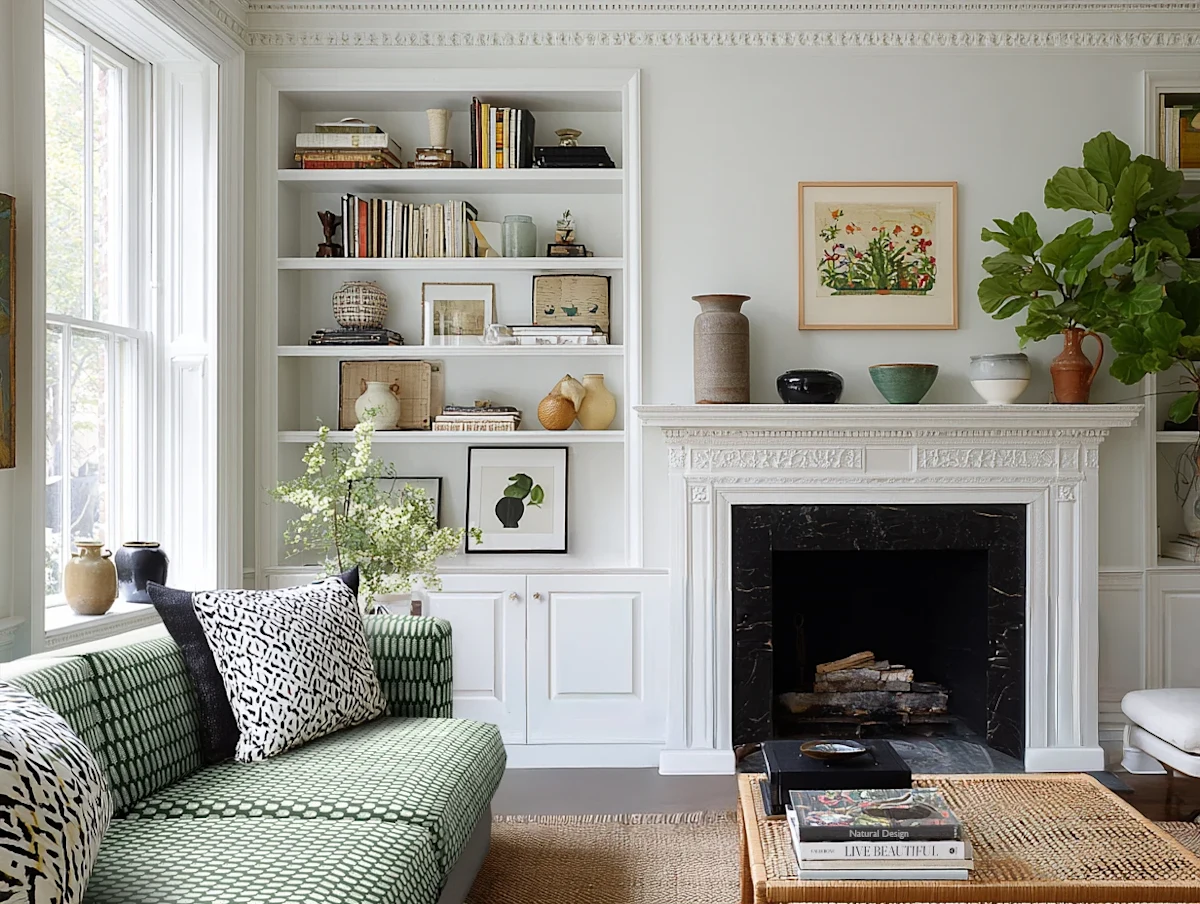
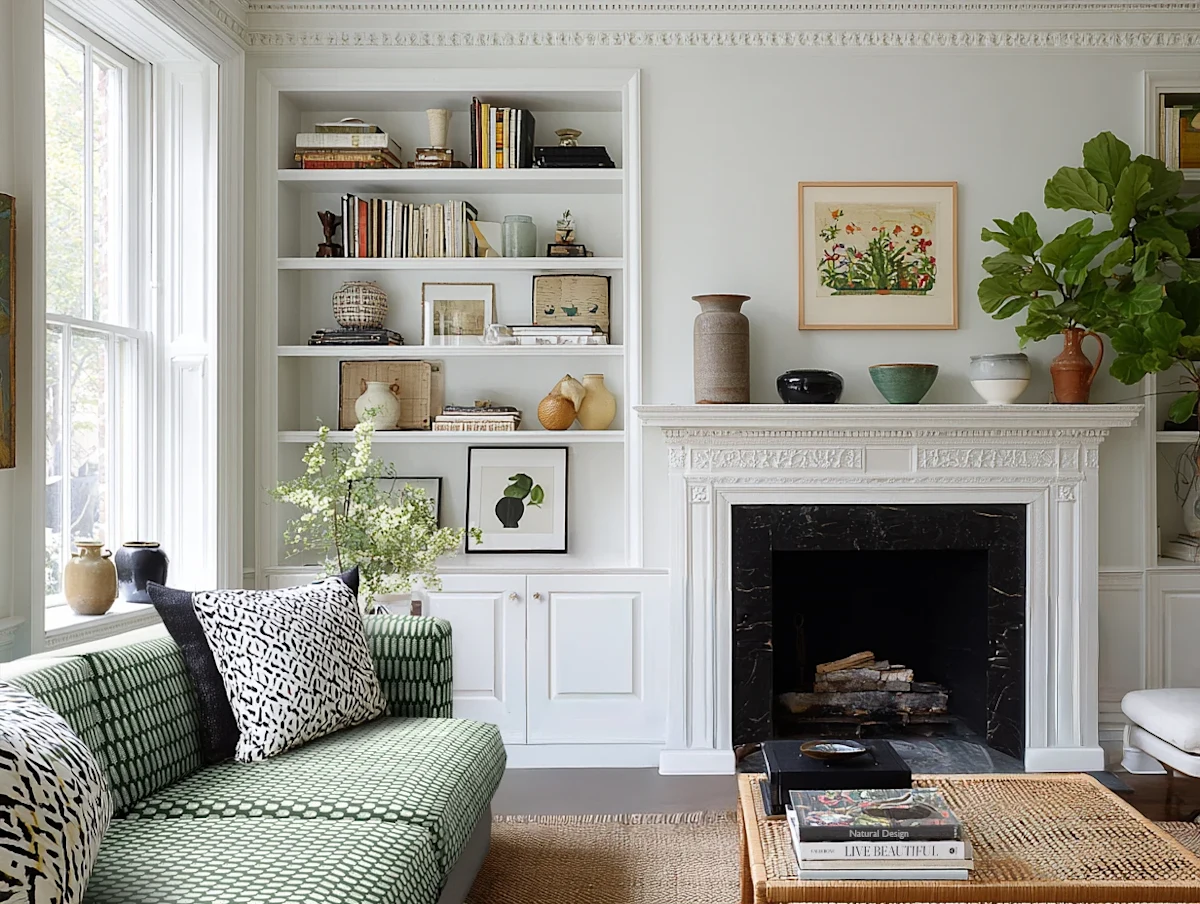
Whether you’re redecorating a teeny-tiny room or taking on an extensive whole home renovation, one thing remains true: An important step of the planning phase involves ordering samples for as many room elements as you possibly can. As small examples of building materials and finishes, samples and swatches are invaluable for understanding what something will look and feel like in real life. They’re also crucial for approximating scale and how a given design decision will interact with other features in a room.
Just getting samples in hand sometimes isn’t enough, though. You want to make sure you’re utilizing them to the fullest so your home project goes as smoothly as possible. Here, you’ll learn all about how samples can make the design process easier from start to finish—and why sampling isn’t a step to skip in any project, big or small. Read on for the scoop on all things samples and swatches.

Why Samples Matter in Home Design
Decorating and renovating can take a lot of time, energy, and money. Samples will help you make sure the payoff is worth it in the end. That’s because they’re true-to-life, scaled-down versions of building materials. For that reason, they’re better than any photograph online or in a catalog when making big renovating decisions. Samples and swatches help on a number of levels, and they make the entire processes of renovating and decorating easier in a few key ways.
Avoiding Costly Renovation Mistakes
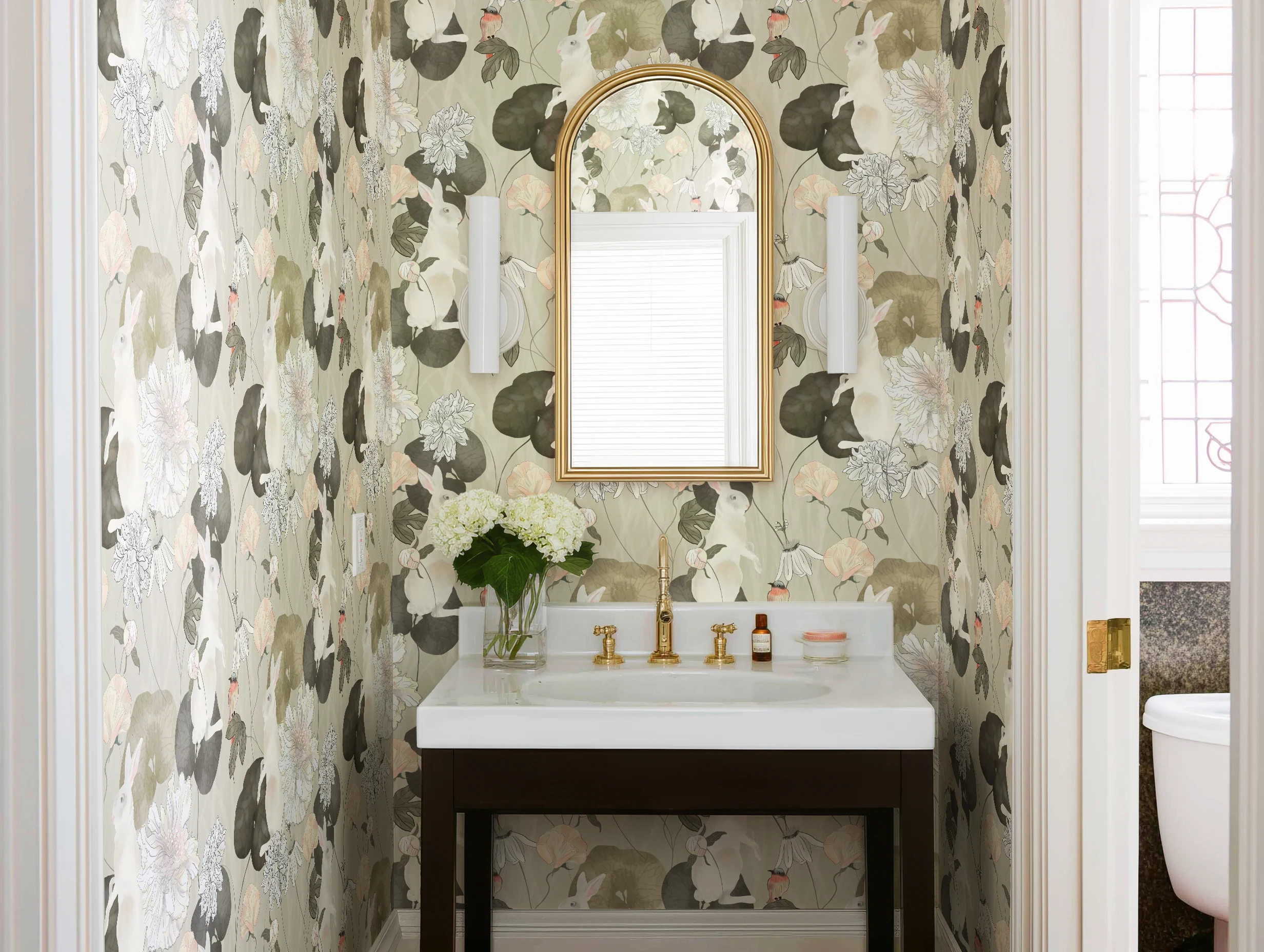
Even though samples tend to be on the smaller side, they’re the best way to get a sense of a material’s scale. This is especially crucial for repeats on fabric and wallpaper, so you can be sure that you like the way a pattern will appear on things like drapery, furniture, and your walls. Scale is important for flooring, countertops, and hardware, too. Even when dimensions and color(s) are listed online in a product or material description, it’s easy to inadvertently interpret this information wrong. And that can lead to a costly mistake.
When you can examine the actual size of something that’s patterned, it’s far less likely that you’ll order, for example, tile that’s too large for a fireplace installation or a pattern that’s so small, it’ll make a sofa look busy. In addition to scale, if you haven’t seen a sample of an item, you also can’t be totally sure what it will look like when it’s in your home. This is particularly true of things like paint, which can change in appearance based on its surrounding environment and the light quality throughout different seasons and even during a single day.
If you don’t like the scale or look of something once you’ve ordered it for your project, you might be subject to a costly restocking fee—if the items are even returnable at all. Regardless, you’ll also lose time having to research and reorder something new. Sampling truly can save you weeks to months—and serious money—in the long run, especially if it’s a large project or if you’re on a tight timeline.
Ensuring a True Color and Finish Match
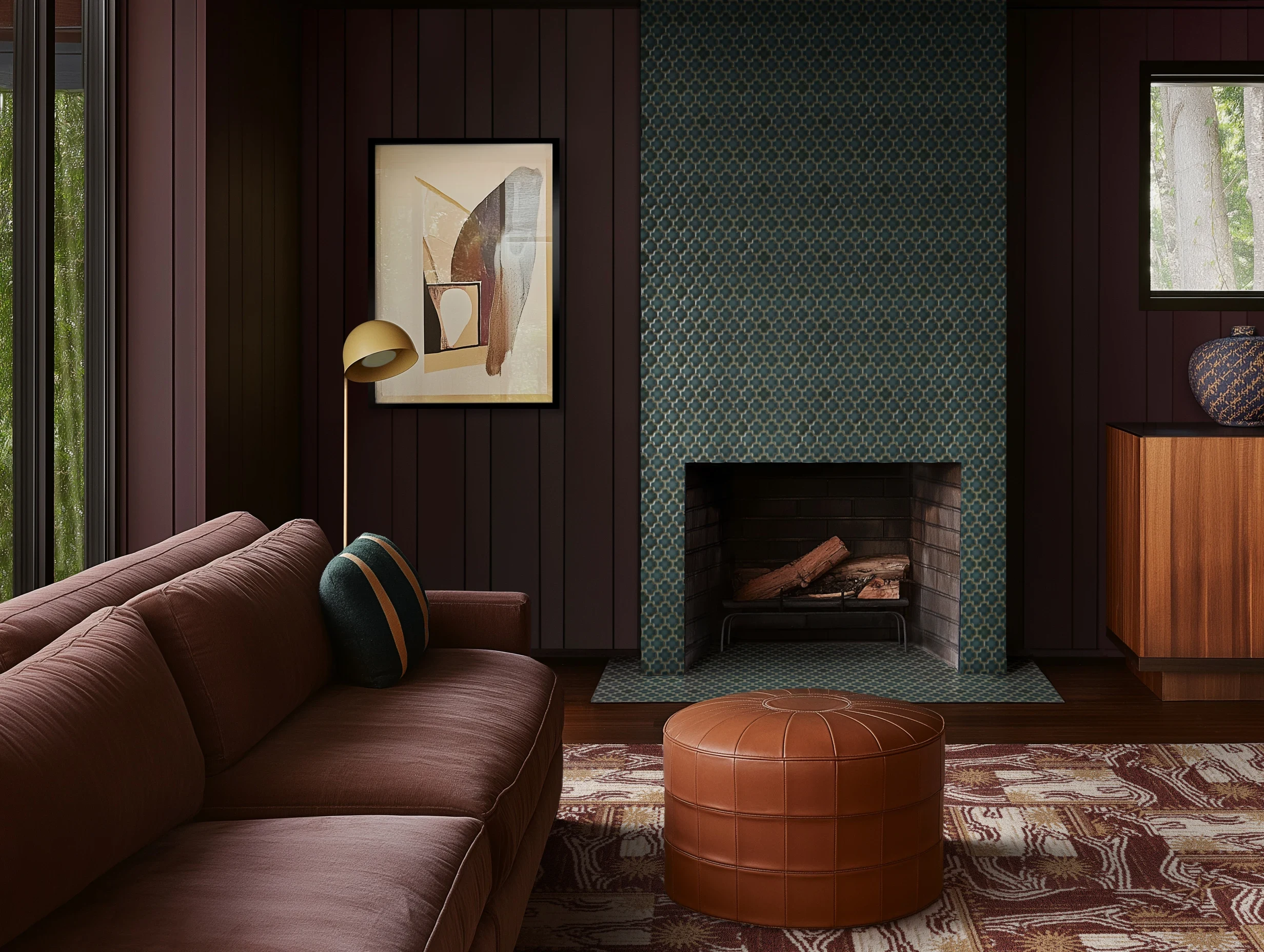
Material samples and swatches can give you an exact idea of what something is going to look like in your home. That means you can examine something’s true color, its undertones, its finish, and its appearance in different lighting situations—up close and in the room where you plan to use it—all before you ever commit to an option.
This is particularly significant if you’re working with existing furnishings and finishes, including surfaces or pieces of furniture that aren’t going to change in a room. You’ll get a much more accurate sense of whether something is a true color and finish match if you can physically hold it up to what you may be trying to coordinate it with.
Visualizing How Materials Work Together
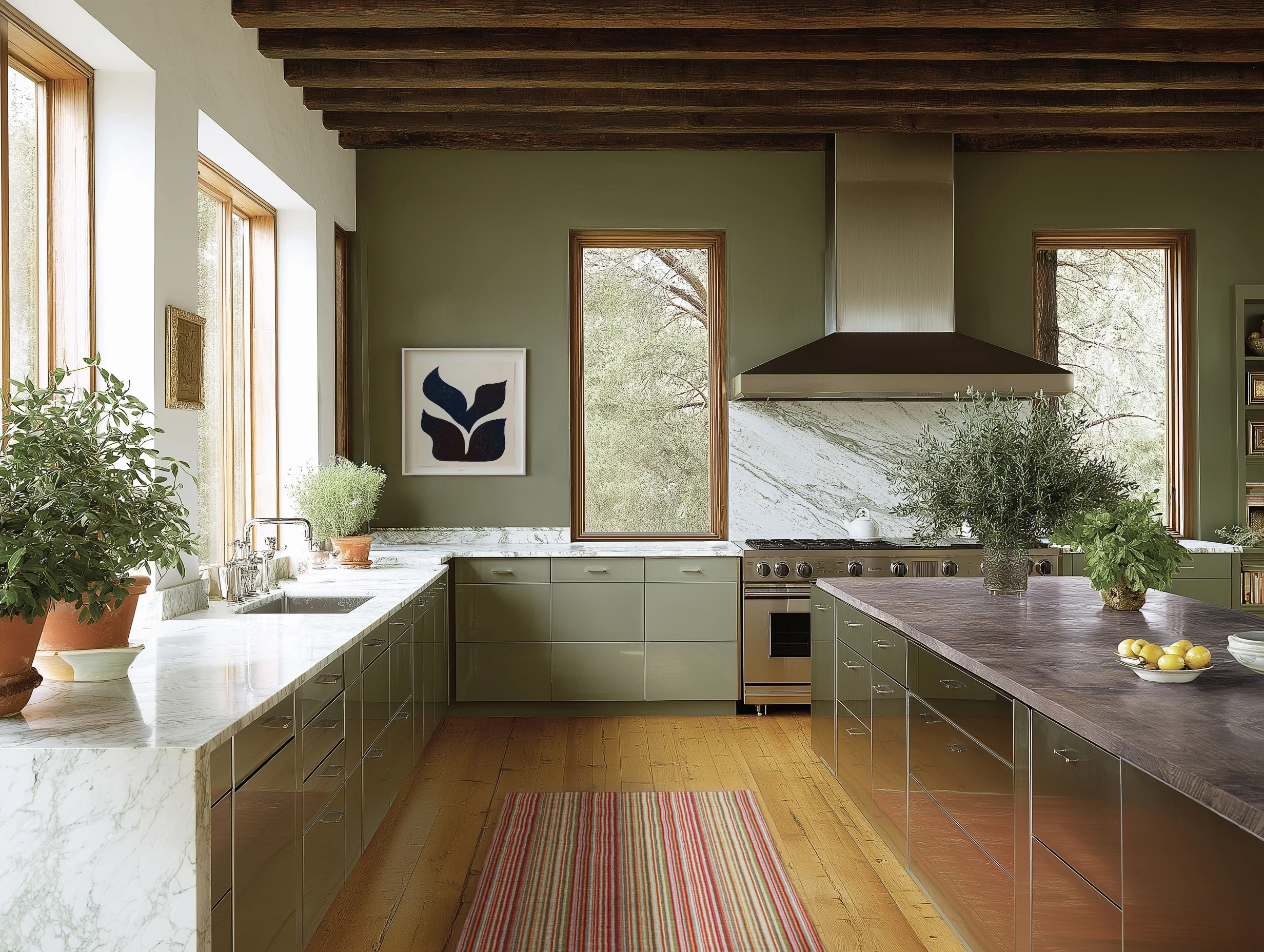
Similarly, samples and swatches are incredibly helpful for figuring out how things will work together in a gut reno. The best designer moodboards often consist of physical samples of wall color(s), wallpaper(s), flooring, hardware, fabrics, upholstery, and lighting and furniture finishes. Seeing all of these things side by side as samples allows you to see how your material choices play together. This helps you establish a more cohesive palette and color story not only in a single room but also in a whole home, if that's of interest.
Without samples, it’s much more difficult to see whether things go together or not. Computer and phone screens distort colors, and printouts can also be just as misleading. Samples will give you the truest snapshot of your materials and how they will hang together visually.
Confidence in Your Design Decisions
When it comes to home design, samples typically aren’t free, but they tend to be reasonable in cost. That said, you can’t put a price tag on being totally confident in your design choices.
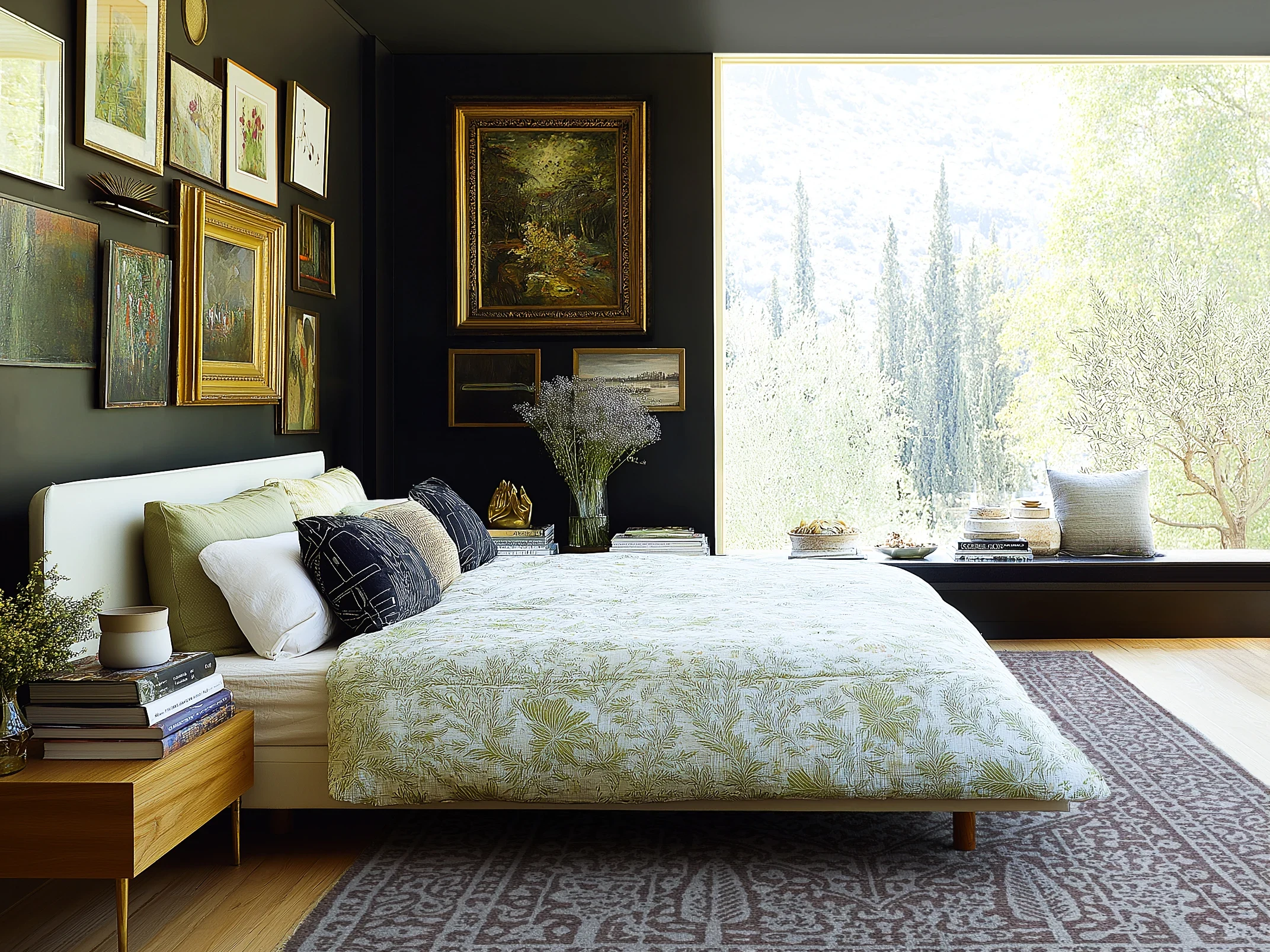
When you order samples and compare them in your home, you’ll get a much better sense of what your finished project could actually look like. Weighing your top choices will help you make sure that you’re choosing the right materials for your unique home. Samples require a small investment up front, but it’s one that’s totally worth it and can help you save in the end.
Tips for Making the Most of Samples
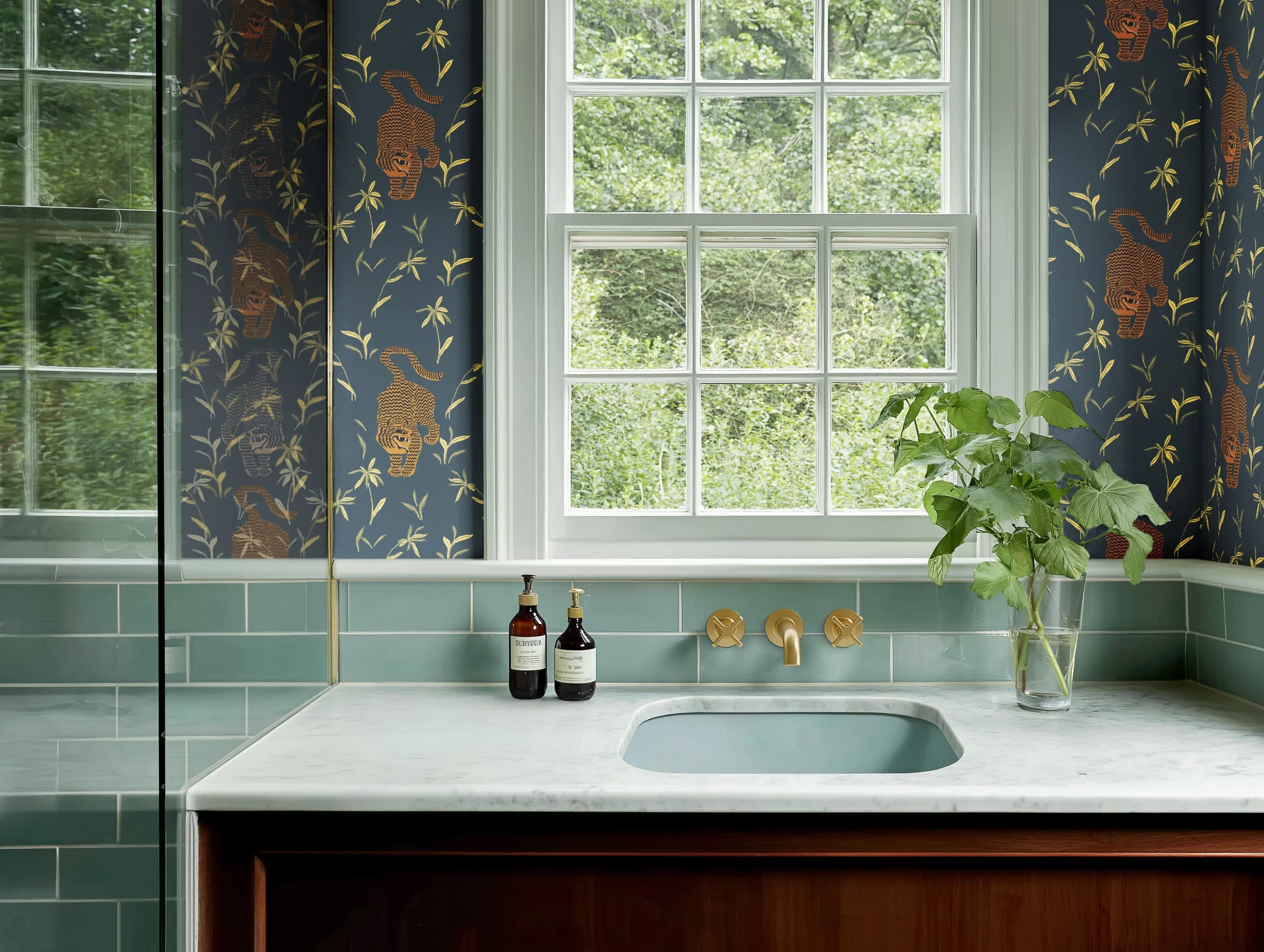
To get the most out of a sample order, you’ll want to leverage your samples to the fullest. First, make a moodboard to see how everything will look together. You don’t have to use fancy design software or apps; it’s literally as simple as taking all of your swatches and putting them on a tray to see how they look together.
You’ll also want to go as big as you can with certain samples. Paint colors, for example, shouldn’t be swatched from the tiny chips you get at the hardware store. It’s much better to purchase a larger sample that can be stuck directly on the wall and repositioned easily, so you can visualize how the color looks on all of a room’s walls. Other than paint, most samples that you order should come in a size that allows you to get a decent sense of what it will look like.
Finally, it’s always a good idea to examine your samples in the room where you’ll be installing or decorating with them. First, it’s helpful to look at them in the context of any existing furnishings you’ll be keeping. Additionally, you’ll also want to note any changes that take place with the quality of light throughout the day. Be sure you like colors and finishes in both natural and artificial lighting, and on both cloudy and sunny days. These conditions can change the way something looks, so be aware of that.
Simplifying the Process with DesignShop
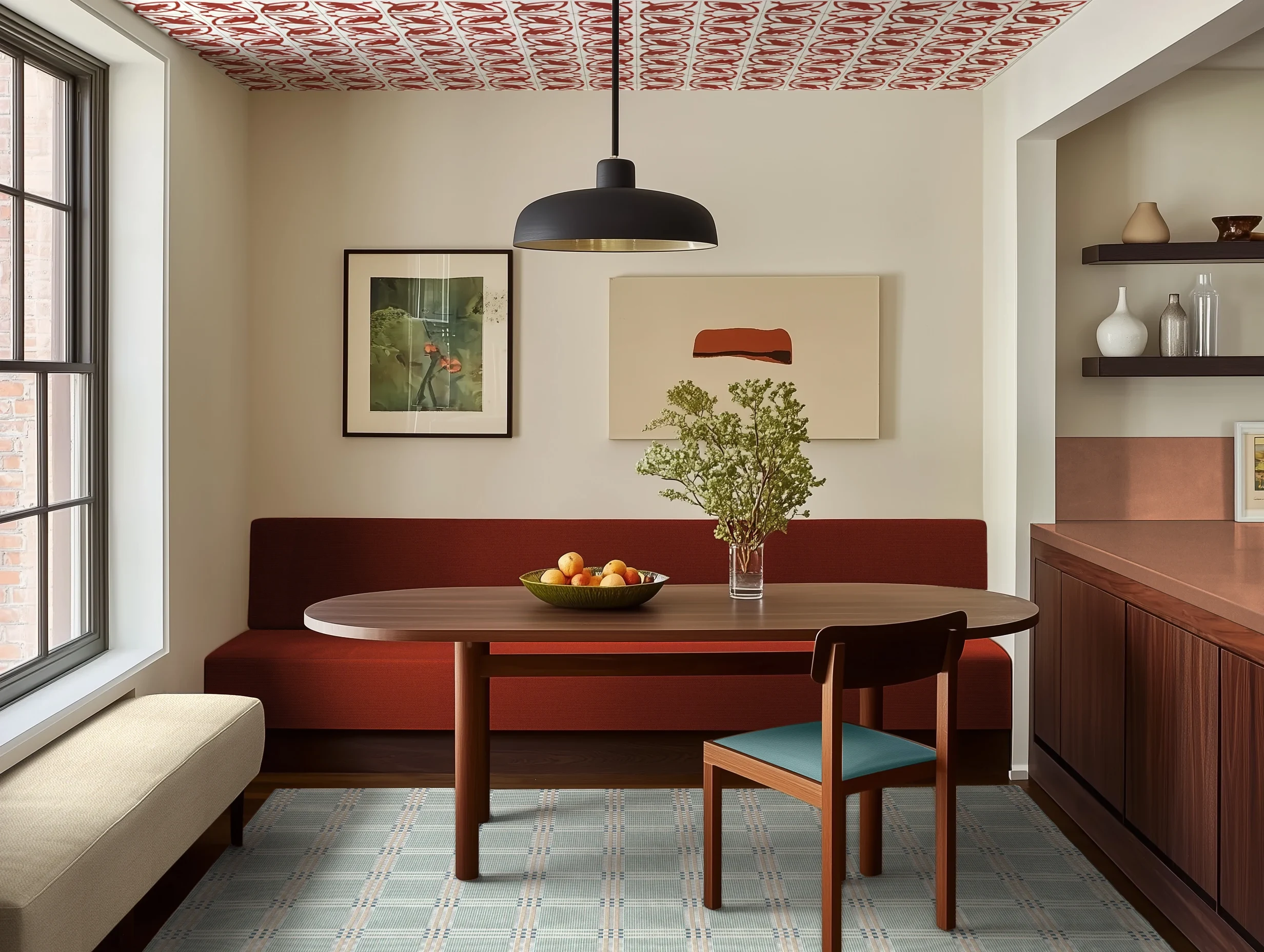
After you take room measurements and start deciding on your color palette and design ideas, getting samples should really be your next step—and DesignShop can be your one-stop shop for all things samples. You can order samples and swatches for pretty much every surface and finish on DesignShop. This means you don’t have to waste time running around to brick-and-mortar stores to gather samples. You don’t even have to visit multiple websites to put in all your sample orders!
That’s because DesignShop has samples for everything you’ll need from the home design world’s biggest brands, and samples will arrive right to your door overnight. If you’re looking for both variety and efficiency when it comes to sample order and fulfillment, DesignShop will truly be your design project BFF. Start saving time, energy, and even money with DesignShop today!