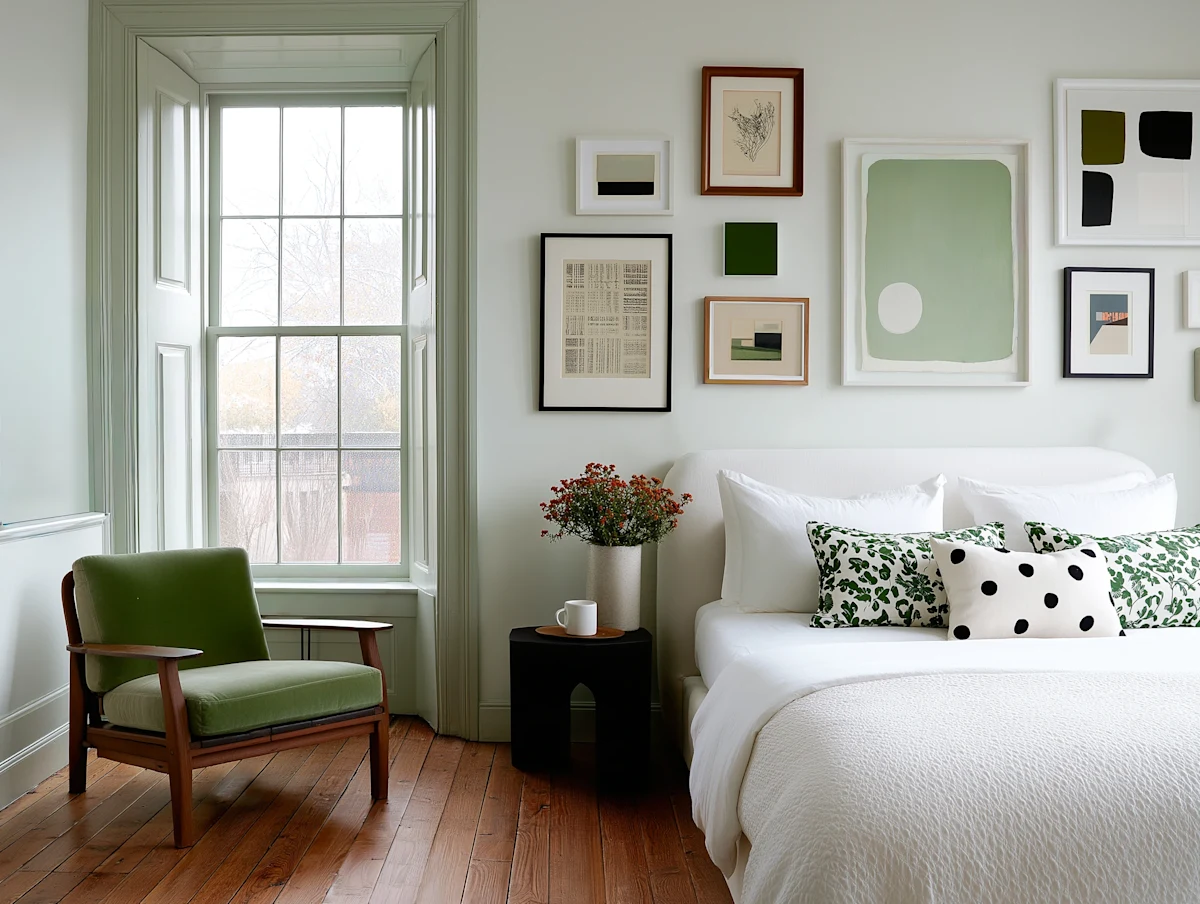
Flooring isn’t at eye level in a home, so it’s rarely a focal point. But that doesn’t mean it can’t make or break the look, feel, and function of a space. In reality, your floors are the literal foundation of your rooms. So, if you’re renovating or building from the ground up, you’ll want to put a lot of care and effort into your flooring selections.
Hardwood floor or tile are two very popular flooring options, thanks to their versatility and gorgeous appearances. They’re also fairly durable solutions, too. But if you’re wondering why you’d choose wood floor over tile — or vice versa — it all comes down to your lifestyle, personal preferences, and budget.
To help you make your decision between tile vs hardwood, you’ll want to weigh a few key factors to understand the pros and cons of each option. It’s also a good idea to understand how both materials feel underfoot and what maintenance is involved for both in the long run. The good news? You can find all of that information and more below in this guide comparing tile versus wood flooring. Read on to decide what’s best for your home and your life.
Why Flooring Choice Impacts Your Home
Before you even get started comparing different floor materials, it’s good to understand the stakes behind your flooring choice. Both aesthetics and practicality come into play. For that reason, flooring often has a pivotal role in your overall design scheme, and you’ll want to get it right the first time around, if possible.
The Role of Flooring in Home Design
Flooring may be underfoot, but that doesn’t mean it’s unimportant. In fact, your floors are one of the largest features in your home beyond the walls. They also take up a lot of surface area, and for that reason, your choice here really can set the visual tone for an entire room. Your flooring pick can also impact your level of comfort in a space, as some materials are literally harder than others. Simply put, some flooring is easier on your legs, hips, and feet for standing, cooking, and cleaning.
Durability and Maintenance Considerations
Beyond look and feel, you’ll also want to consider how long your flooring is supposed to last on average — and what it takes to keep a given type of flooring in tip-top shape. It’s also a good idea to be aware of what kind of care a flooring option needs and whether that protocol is compatible with your lifestyle. Does it stain easily, or is it fragile and damage-prone? These are the types of questions you’ll want to ask upfront, especially if you have pets or small kids. Moreover, flooring upkeep can also factor into cost. So it’s always smart to know what you are getting into there, since maintenance can greatly increase your total flooring investment over time.
Tile vs. Wood Flooring: Key Differences
When you compare tile versus hardwood, these materials really differ in three key areas: appearance, durability, and feel underfoot. Understanding the nuances between both materials in these categories can help you decide what to put where in your home.
Style & Design
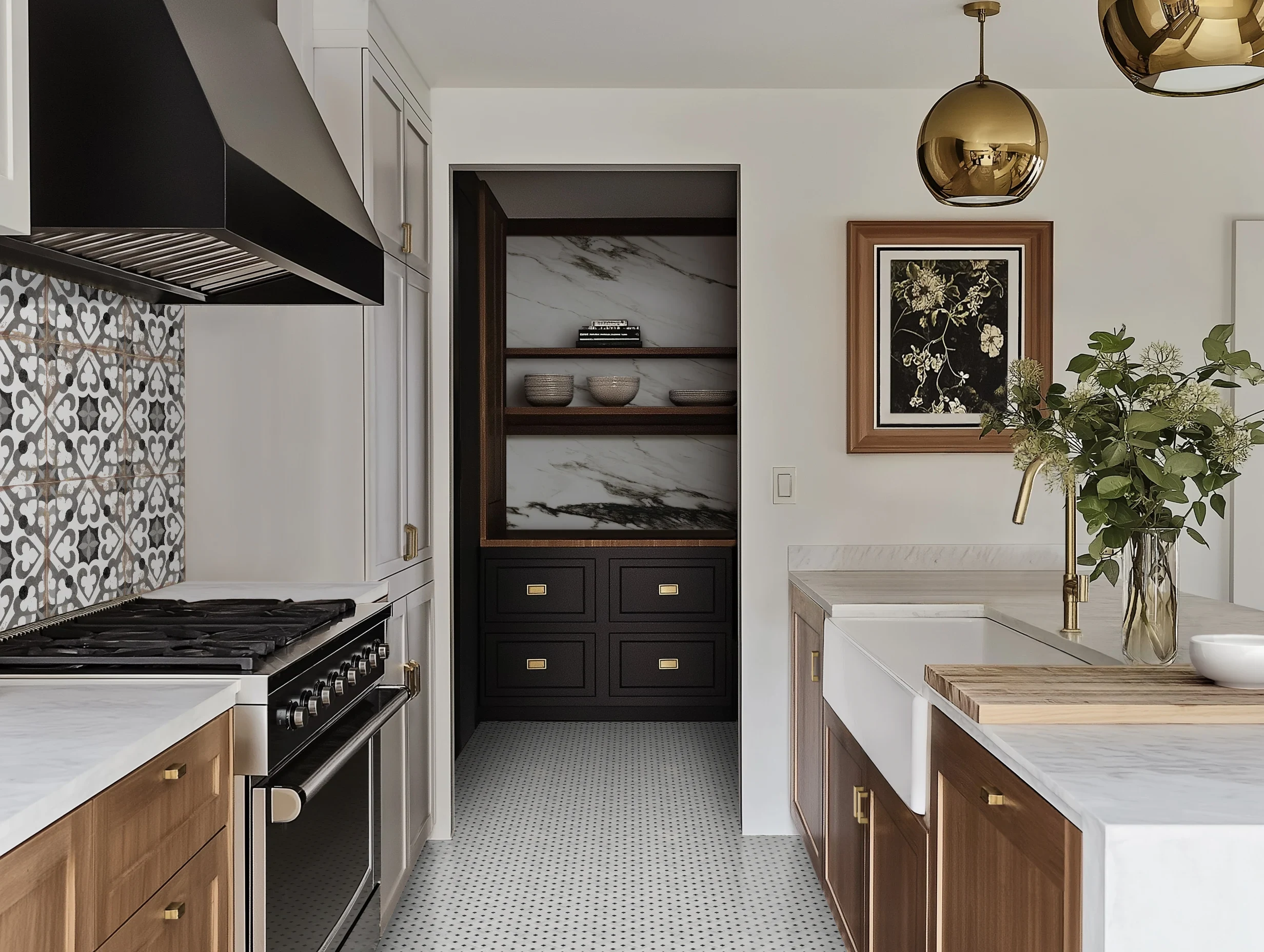
Obviously, tile and hardwood flooring are made from different raw materials. Tile is typically crafted from hard and hearty pieces of ceramic, porcelain, or stone. You can find it in a wide variety of shapes, finishes, colors, sizes, and textures — some of which can fool the eye as to what they’re actually made of. For example, some ceramic tiles look like planks of wood!
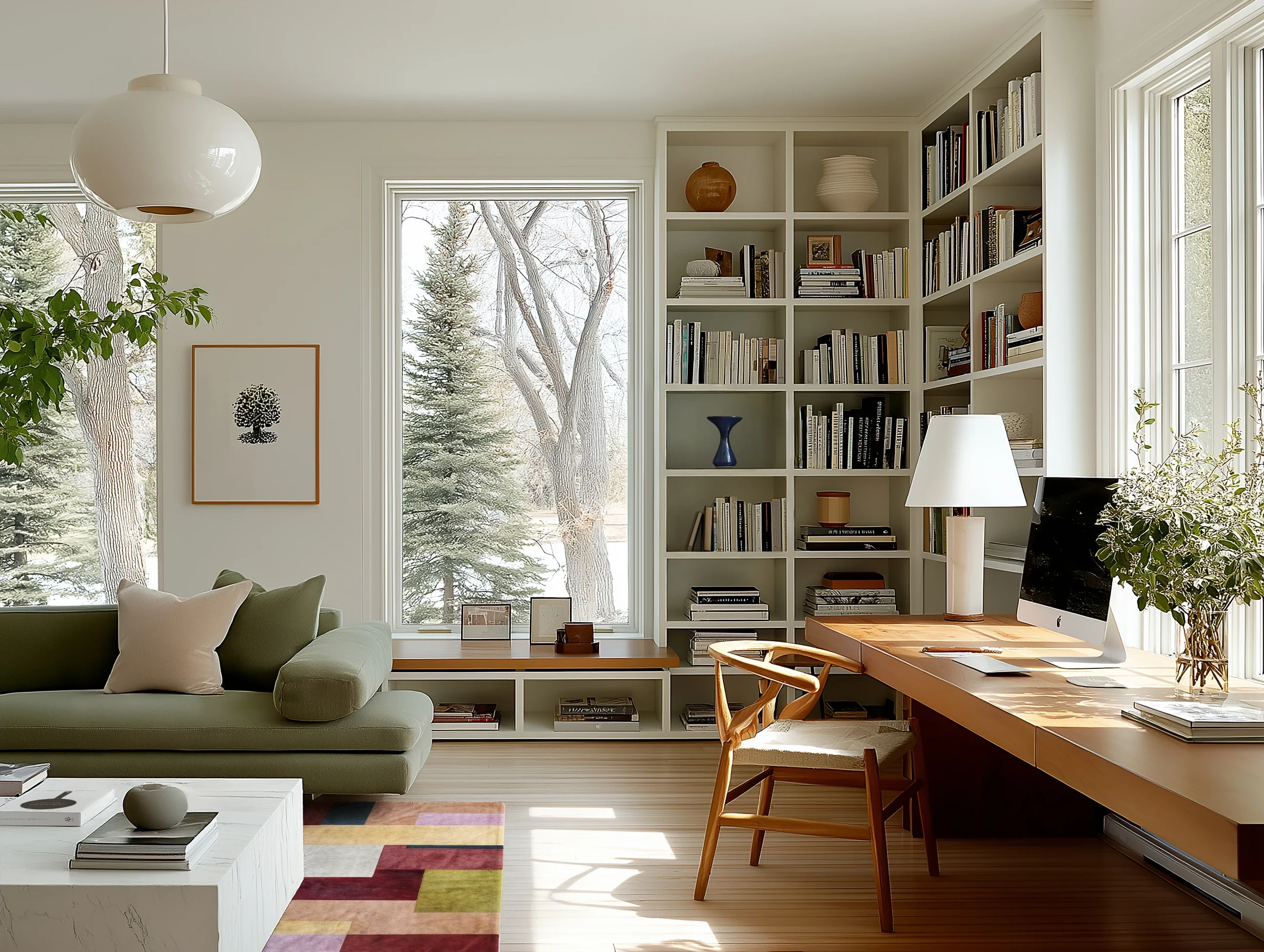
True hardwood, on the other hand, is made of natural wood. Some common examples include oak, walnut, and maple. Wood flooring can be stained in an array of earthy tones, typically with red, orange, and yellow undertones. In general, wood tends to be a bit warmer and richer than tile because of its coloring and visible graining and knots, in some cases.
Durability & Maintenance
When it comes to how well a flooring material holds up to wear and tear, tile has the clear advantage. Because tile is naturally water-resistant, it handles moisture and splashes extremely well, especially in places like bathrooms, kitchens, laundry rooms, and mudrooms. Tile is also very easy to clean (the grout a little less so but still doable), and it often can last years and years without much maintenance at all, beyond regrouting every so often. While it’s not vulnerable to scratching or warping due to water, tile can crack or break. The nice thing about that, though, is that individual tiles (or sections) of tiles can be replaced easily without disturbing the entire floor. It’s as simple as breaking up the affected pieces, popping them out, and then grouting the replacements down. That’s why it’s always a good idea to overbuy tile and hold onto the extras.
Hardwood can literally last for decades upon decades, but it’s going to look a little worse for the wear the longer you let it go without sanding it down and refinishing it. That’s because it’s easily scratched, dented, and can be stained from spills — and you have to watch it around water sources because it absolutely can warp. Hardwood is also a bit more finicky to clean and maintain, but the good news is that the maintenance you put into your hardwood pays off. It’s often a sought-after feature for buyers and thus can offer a great return on investment.
Comfort & Feel
Finally, tile and hardwood flooring do differ in terms of how they feel underfoot. Despite its name, hardwood actually feels softer and warmer than tile, which can be very hard and cold. Both can obviously be cozied up with area rugs, and radiant heat is always an option for tile, especially in cooler climates.
Pros and Cons of Tile Flooring
In deciding whether to choose tile flooring over hardwood, it’s worth taking a deeper dive into the pros and cons of each option. Let’s take tile first — it’s often easy to clean and durable, but it can feel cold to the touch and be expensive to install, even if the material itself can be affordable.
Advantages of Tile Flooring
Tile really does have a lot of positives to offer as a flooring choice, including the following:
Incredible durability — can last decades and very resistant to wear and tear
Easy to clean with steam or cleansers
Tons of variety in terms of colors, finishes, styles, shapes, sizes, and price points
Holds up well to moisture so a good choice in humid spaces and wet climates/flood prone areas
Broken tiles can be replaced individually, which can save you money in the long run (since you might not have to replace a room’s entire floor for a very long time)
Disadvantages of Tile Flooring
Though tile has many pros, it isn’t the perfect flooring material for every application. Here are a few of its disadvantages:
Can feel cold and hard underfoot
Can be expensive to install, even if you choose a budget-friendly tile
Though low-maintenance, will need resealing and regrouting at some point to look its best as long as possible
Not as sought after as hardwood in main living spaces, so not necessarily something that can increase your property value or make your home more marketable when selling
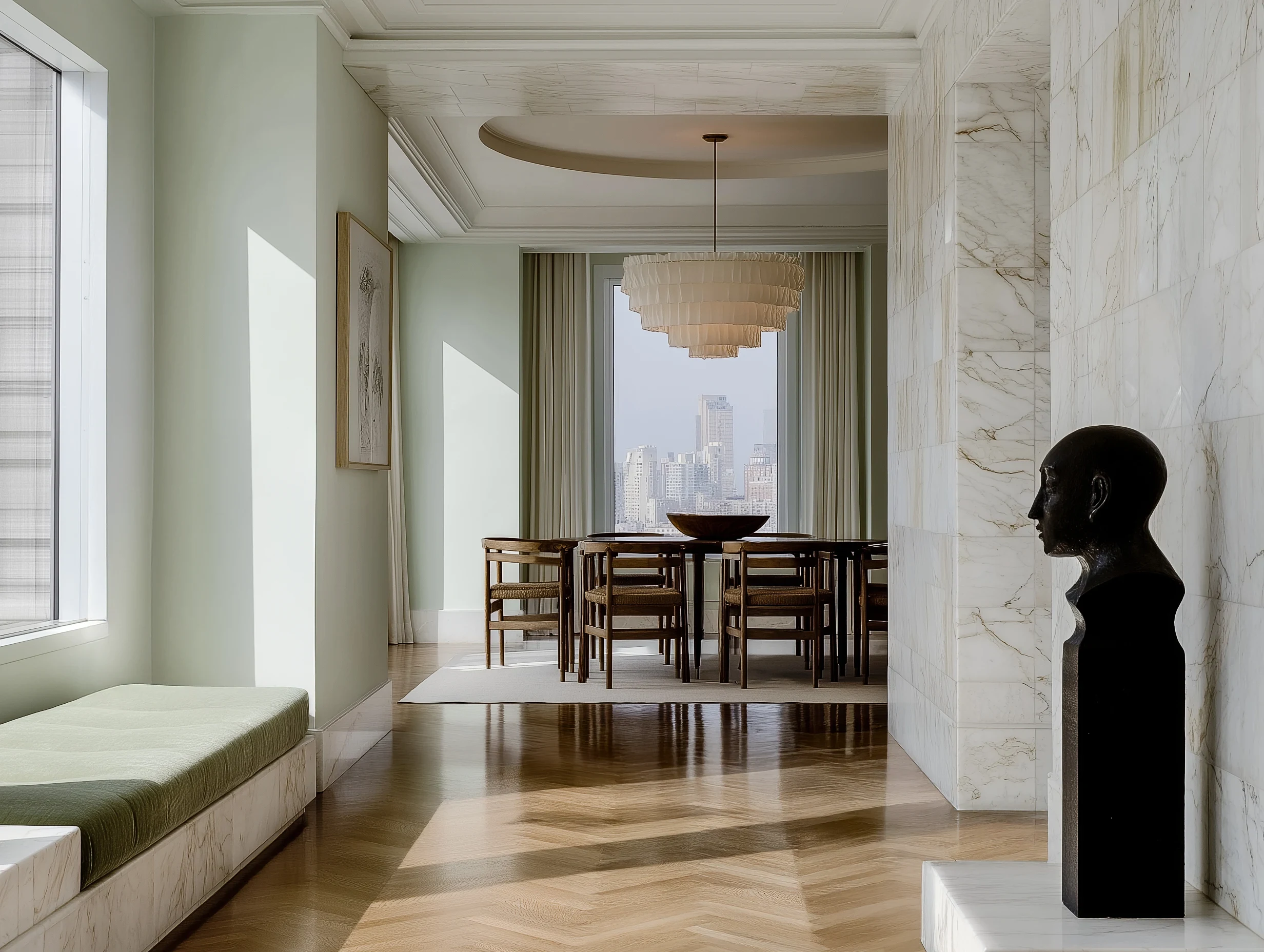
Pros and Cons of Wood Flooring
Like tile, wood flooring has both advantages and disadvantages when installed underfoot. Considering its pros and cons will help you decide if hardwood is right for you and your space.
Advantages of Wood Flooring
Hardwood floors are super popular for their richness and natural look. It, too, offers a bunch of benefits as a flooring choice, including these aspects:
Has a very warm, timeless appearance that transcends trends and is sought after by many when house hunting, meaning it can increase property value
Slightly softer and more comfortable underfoot than tile
Can last decades if not a hundred-plus years with the right maintenance and routine sanding/refinishing
Very versatile stylistically — you can explore different plank widths, wood species, stains, installation patterns, and more to create a bespoke look for your home that meshes with many design aesthetics
Can be easy enough to clean if grooves aren’t deep; it’s hypoallergenic for those who suffer with allergies or asthma
Disadvantages of Wood Flooring
Just like tile, hardwood has some drawbacks alongside its many positives. Those include:
Can be very expensive, especially for more exotic varieties and whole home applications
Requires more maintenance in terms of sanding/refinishes because it's more susceptible to scratching, denting, and warping
It’s not very water-resistant, so it’s not always the best choice in rooms (or areas) that are very humid or moist
When repairs need to be made, often the whole floor has to be treated to keep a cohesive look; it’s harder to replace a board/plank (or two) while maintaining the finish but not impossible
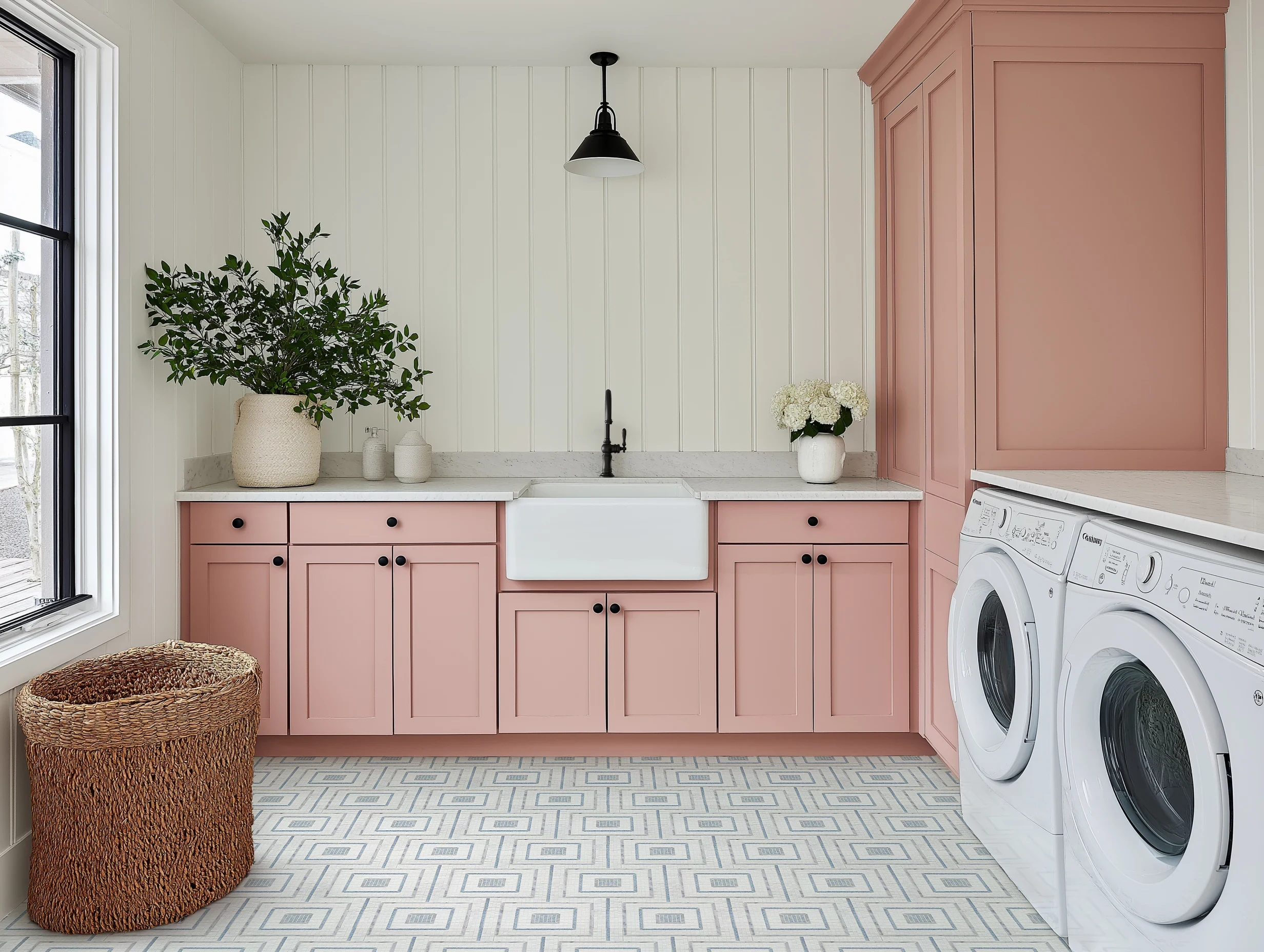
Factors to Consider When Choosing Between Tile and Wood Flooring
Whether you decide to install a wood floor over tile — or the exact opposite, tile instead of a wood floor — your best bet is looking at the pros and cons of each option and deciding which of these aspects might be most important to you. A few other things to factor into your decision — beyond what may appeal to you about a given choice — is your budget, your lifestyle, and your aesthetic.
Your Budget
While both tile and flooring can cost a pretty penny, you can find more economical tile designs if you stick to basic shapes and finishes. These styles might be simple, but they can still be very impactful when installed.
In general, hardwood will set you back a bit more than tile materials-wise upfront, especially if you’re not looking to install stone or handmade tiles (which can both be just as pricey as some natural woods). You may save a little bit on the installation of wood versus tile, but, again, that depends on the cost of work in your area and how many rooms you are replacing the flooring in.
Your Lifestyle
Are you someone who likes the look of an age-worn patina, or will every dent, scratch, and mark on your floors upset you? When choosing hardwood, you should know that it can scratch and show signs of wear and tear much sooner than tile will. Some people are okay with that “character,” but you have to know what you’re getting into with hardwood.
If you want your floors to be pristine, tile could be a better choice — or you just might have to be extra careful with your wood floors (which can be easier to do without kids and pets). Regular resanding and refinishing is an option to keep wood floors looking their best, but know that this isn’t a cheap or particularly convenient process.
The Look and Feel You Want for Your Floors
Both tile and hardwood come in so many varieties, and different installation techniques can make the options feel endless. If you’re looking for richness and warmth, hardwood might be your best bet. That said, tile is probably a better choice in wetter rooms and climates. Both materials can look modern or classic as well, so you can definitely find designs in both options that will speak to your home’s aesthetic.
It’s really important to get samples of any kind of flooring you’re considering because installation is a major undertaking, even in just one room. Being able to see and touch your flooring options will really help you visualize what your room will look like as a finished product — and this can be just the push you need towards making the decision of tile versus hardwood. DesignShop has everything you need in terms of samples — and samples ship overnight! — so you can make your flooring decisions with full confidence as quickly as possible. That way, you can start enjoying them as soon as possible.
Frequently Asked Questions About Tile and Wood Flooring
When deciding between tile and hardwood, the same questions seem to bubble up for many people. Here are a few of the most frequently asked questions and their answers.
Can you mix tile and hardwood floors in a home?
Absolutely; tile and hardwood can coexist beautifully in a house — and sometimes can even be successfully mixed within a single space. A good rule of thumb to follow, though: Open floor plan homes look more seamless and uninterrupted when they have just one type of flooring installed (at least for the open plan ground floor). Hardwood tends to be the better choice in this case, unless you live in a very humid climate that’s near water and prone to flooding. For those locations, tile may be better. Closed floor plans have more latitude to vary flooring from room to room, since the sightlines from one space to the next aren’t so apparent.
Are certain flooring types more conducive to certain rooms in the house?
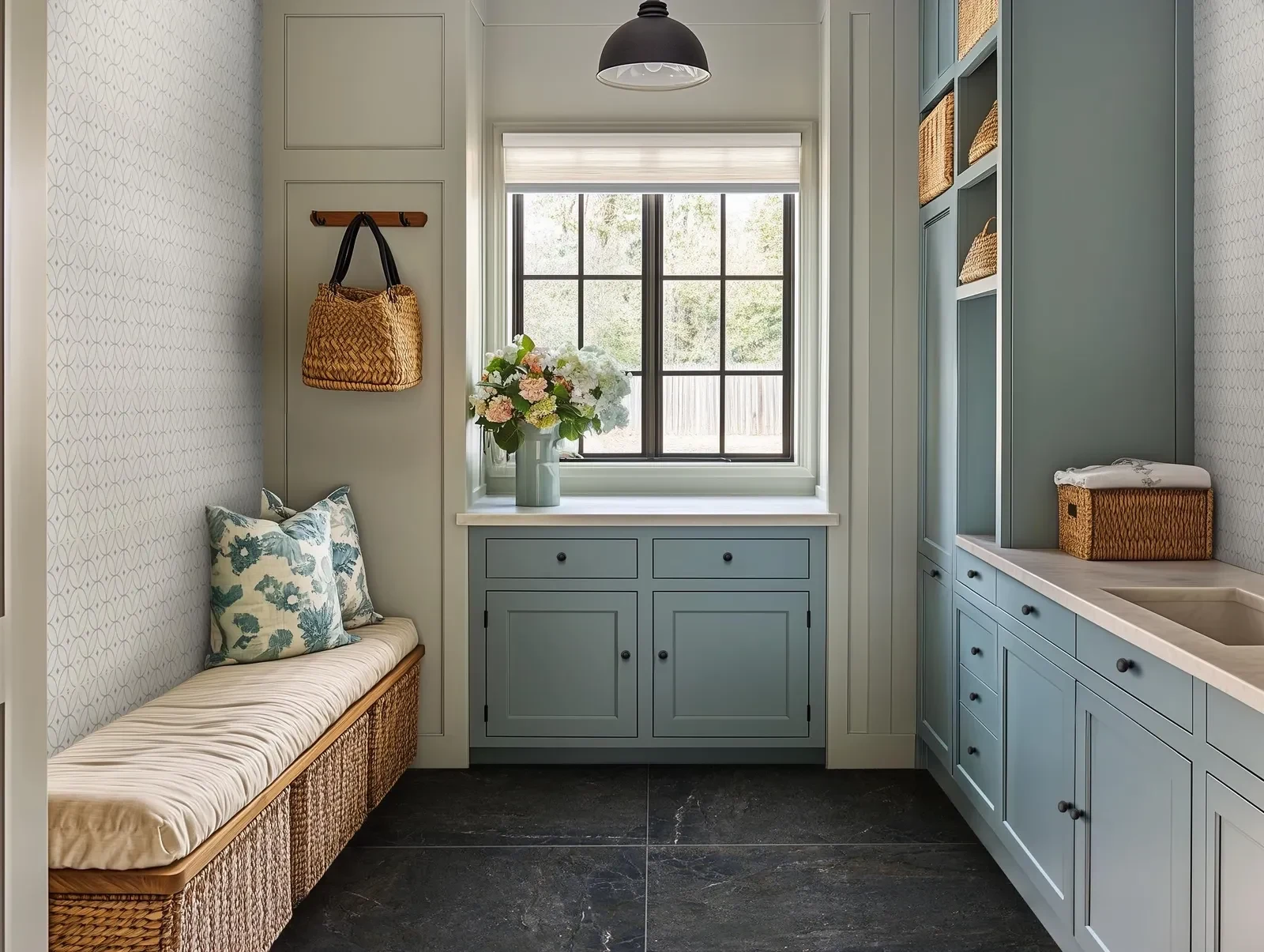
Because tile is especially water-resistant, it’s great for rooms with lots of moisture exposure (think: kitchens, bathrooms, laundry rooms, and mudrooms). Hardwood, on the other hand, is lovely in living rooms and bedrooms, where you may want that extra warmth, softness, and richness underfoot.
How long do hardwood and tiled floors typically last?
Both tile and hardwood flooring are quite durable and long-lasting. Tile has the edge in the everyday, since it doesn’t scratch or dent nearly as easily as hardwood. Both can last decades, but hardwood — with the right maintenance and sanding/refinishing — can literally be around for generations.
Which flooring option is more budget-friendly long term?
This answer somewhat depends on how you live in your home. While hardwood flooring often requires a higher upfront investment, it can truly last a lifetime if you take care of it and refinish it when it’s looking a little worse for the wear. Tile can be a bit more economical but may not last quite as long; repairs can be a bit easier and less expensive, though, since individual pieces can be replaced versus the entire floor.