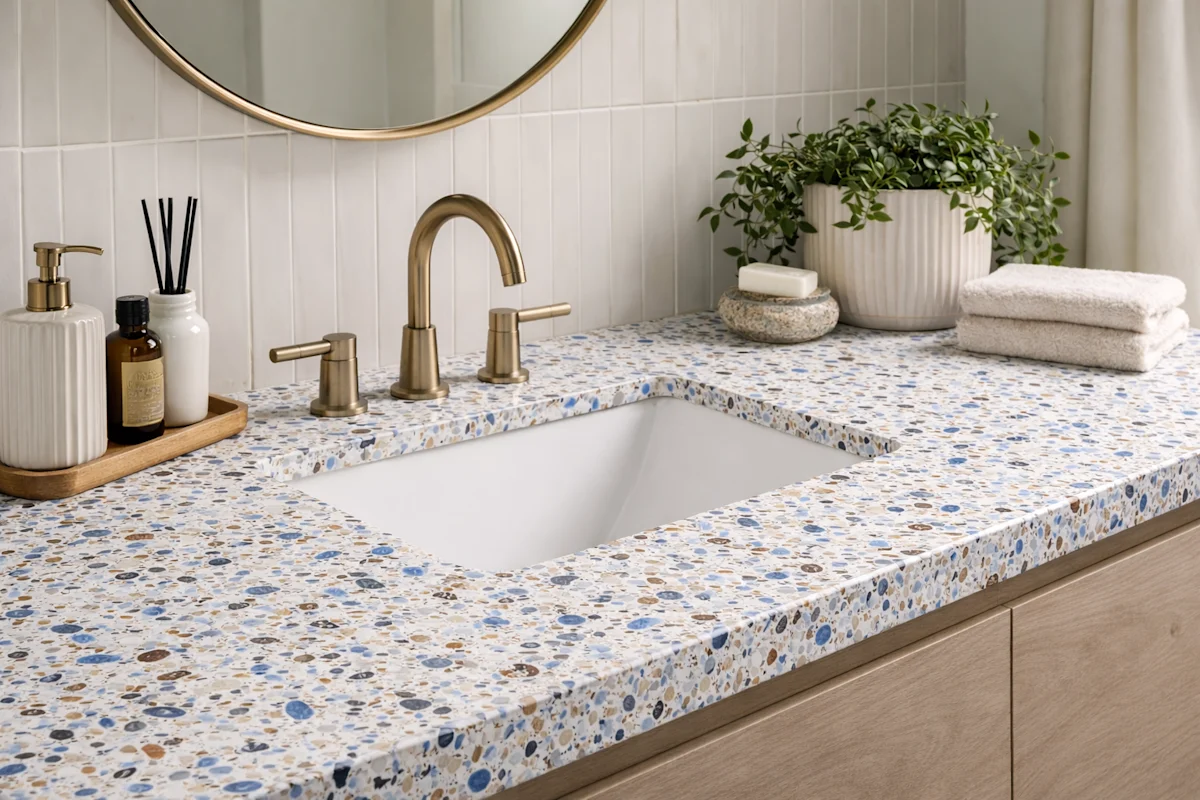
Something interesting is happening in the world of interior design. Laminate is back, and not in a quiet, apologetic way. Designers are choosing it deliberately, specifying it confidently, and using it in spaces where you’d least expect it. Sleek European kitchens. Primary bathrooms that feel anything but builder grade. Mudrooms and laundry rooms where good looks and durability finally meet.
What’s driving the renewed interest? A combination of things. The material has evolved enormously in terms of finish quality and design range. The mid-century modern aesthetic that laminate feels so naturally at home in has never really gone away. And a new generation of designers and homeowners is making material choices based on performance and intention rather than convention.
If you haven’t looked at laminate lately, now is a good time.
Laminate and the Mid-Century Modern Connection
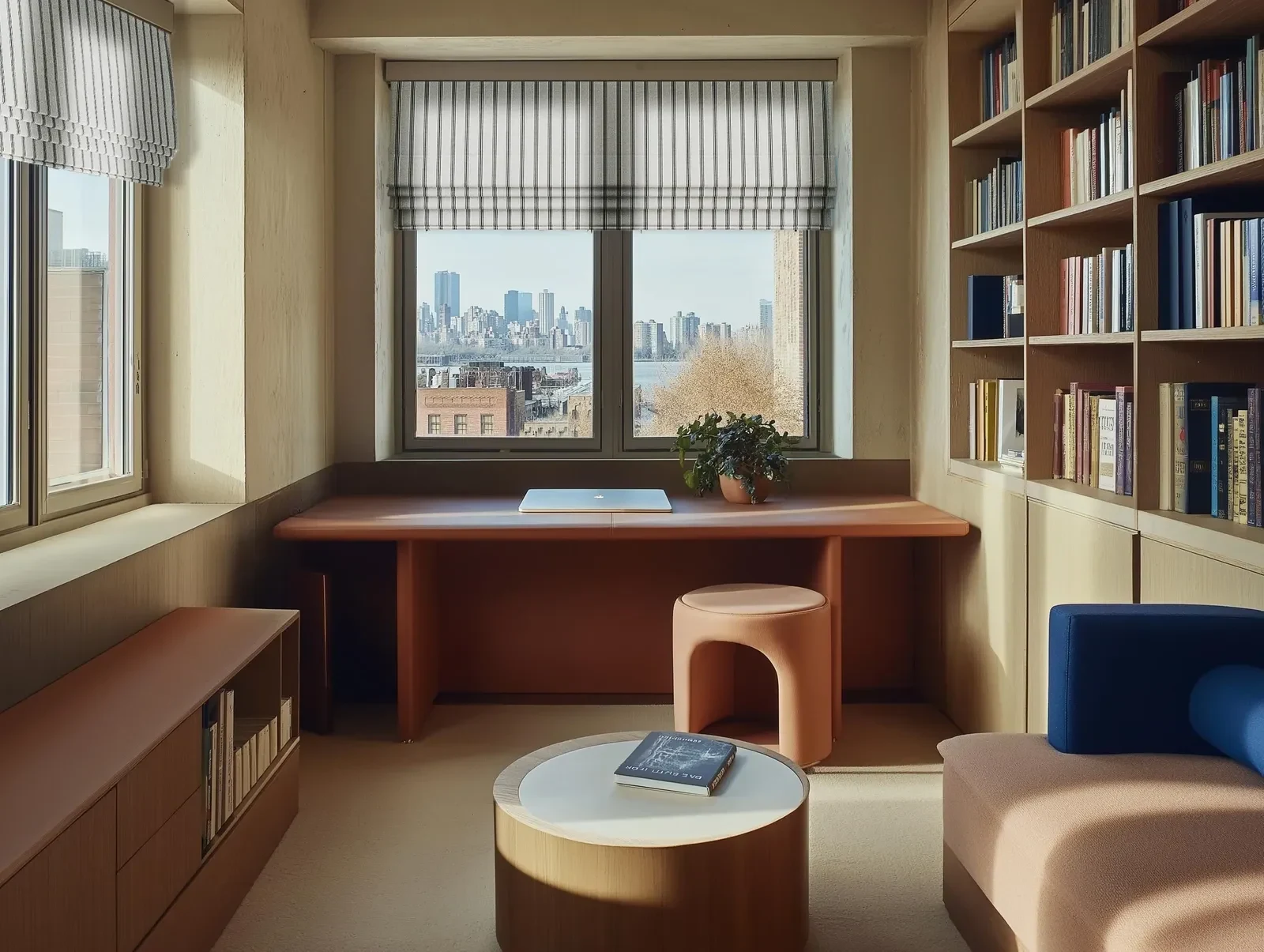
There’s a reason laminate feels so right in mid-century modern interiors. The material has deep roots in that era. Laminate surfaces were everywhere in the postwar American home, prized for their clean lines, low maintenance, and optimistic modernity. The aesthetic was sleek, functional, and forward-looking, which is exactly what mid-century modern still communicates today.
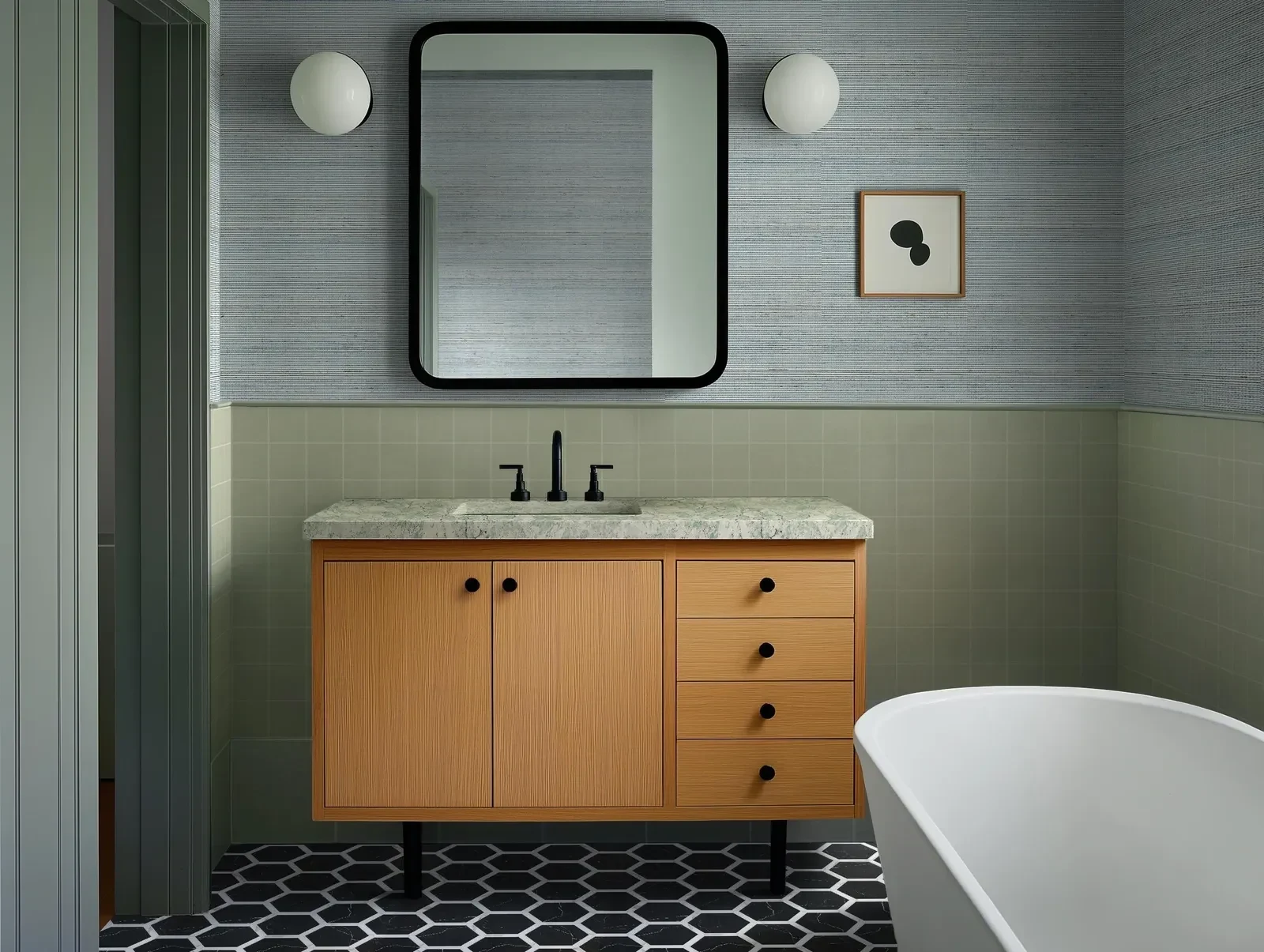
Contemporary laminate leans into that heritage beautifully. Matte finishes, woodgrain patterns, solid colors in warm neutrals and earthy tones all feel completely at home alongside walnut cabinetry, tapered legs, and the kind of unfussy functional design that defines the mid-century look. If you’re working on a kitchen or bathroom that nods to that era, laminate isn’t just appropriate. It might actually be the most authentic choice you can make.
What Laminate Does Really Well
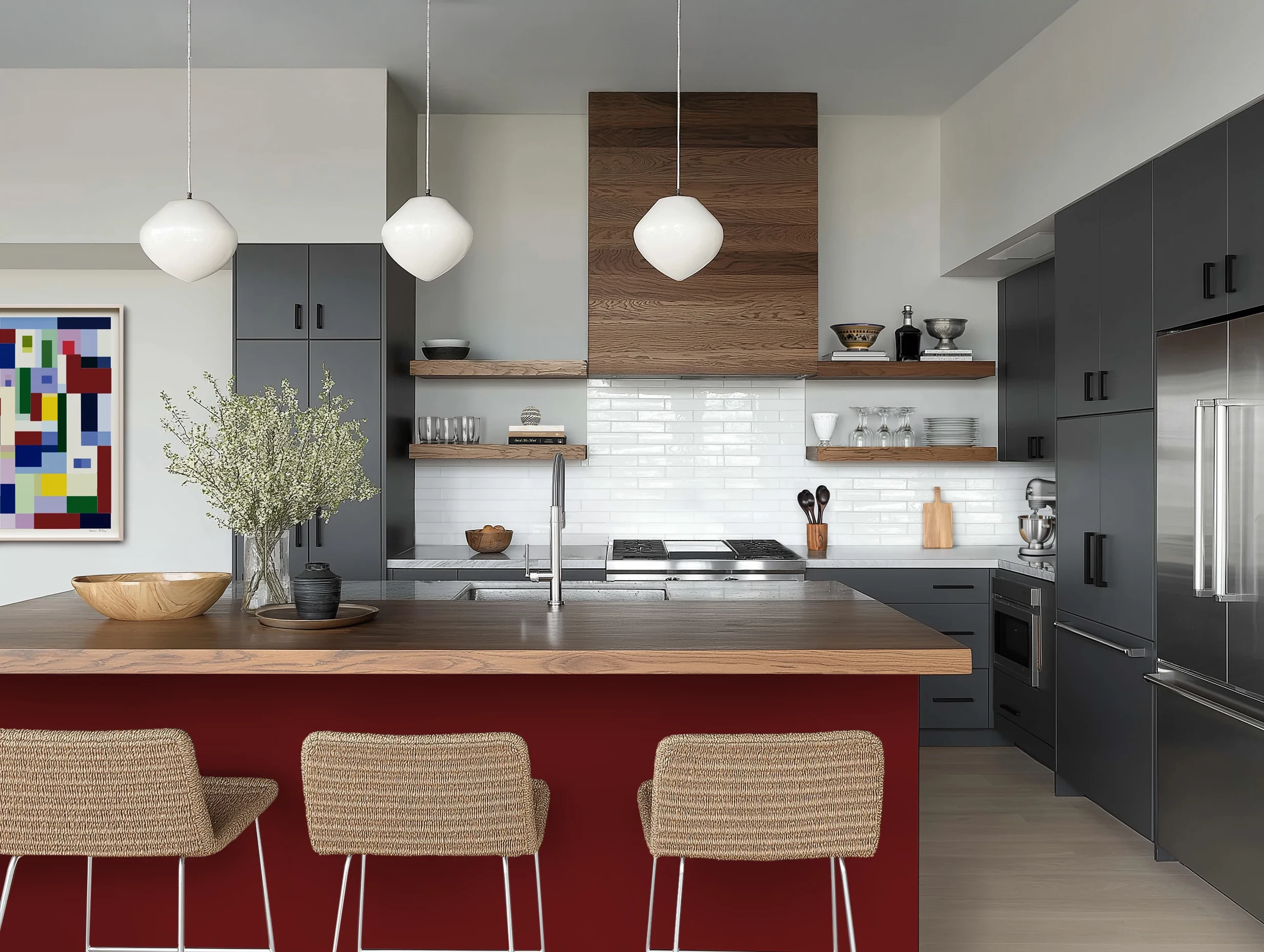
Beyond aesthetics, laminate earns its place on a purely practical basis.
Pro: It’s one of the most durable surface options available. Modern laminate resists scratches, stains, and moisture better than most people expect. It’s non-porous, requires no sealing, and cleans up with nothing more than a damp cloth.
Pro: It’s consistent. Unlike natural stone where every slab is different, laminate gives you exactly what you see in the sample every time. For large projects or anyone who needs to match surfaces across multiple spaces, that predictability is genuinely valuable.
Pro: It’s lightweight and easier to install than stone, which can translate to lower installation costs and more flexibility in terms of where and how it’s used.
Con: Laminate can be damaged by sustained heat, so trivets are a must near cooktops. And while today’s options are remarkably convincing, a very close look will tell you it’s not stone. For some people that matters. For others it genuinely doesn’t.
Bottom Line: If your priority is a surface that performs well, looks intentional, and doesn’t demand ongoing maintenance, laminate deserves serious consideration.
Laminate Is Having a Design Moment
Walk through any design fair or scroll through the feeds of architects working in the residential space and you’ll see laminate showing up in places it never used to. The material has emerged as a legitimate design tool, especially in spaces where a matte, graphic, or tactile surface reads as more interesting than polished stone.
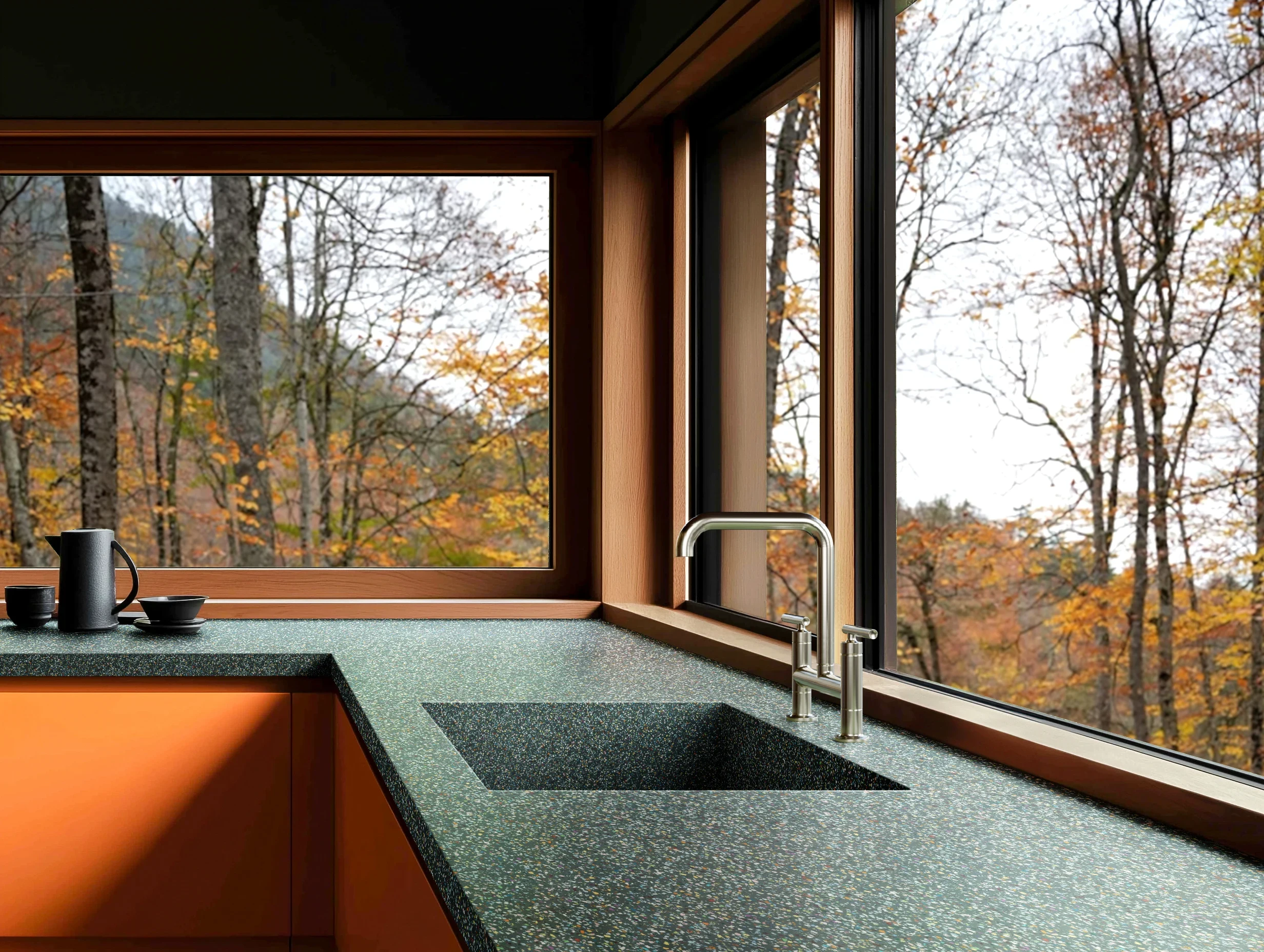
The range of options available today is genuinely impressive. Woodgrains that are difficult to distinguish from the real thing. Solid colors in sophisticated muted palettes. Textured finishes that add dimension without visual noise. The design vocabulary of contemporary laminate is broad enough to work across a wide range of interior styles, not just mid-century.
Who Laminate Is Really For
The intentional renovator. You want a surface that looks considered, performs well, and lets you put your budget toward other priorities. Laminate gives you all of that without compromise.
The mid-century enthusiast. You’re working with a specific aesthetic and you want materials that feel true to the period. Laminate is historically accurate and visually right.
The high-volume designer or developer. Consistency, availability, and cost efficiency matter. Laminate delivers on all three.
The transitional homeowner. You want your space to look intentional without overcapitalizing on a home you may not be in for the long term.
FAQ
Q: Is laminate the same as vinyl?
No. Laminate is made from layers of paper and resin fused together under heat and pressure, then bonded to a particleboard or MDF core. Vinyl (including LVT and LVP) is made from PVC. They have different feels, different applications, and different performance profiles.
Q: Can laminate countertops be refinished or repaired?
Unlike natural stone, laminate can’t be sanded or refinished. Deep scratches or chips are difficult to repair invisibly, which is worth knowing going in. That said, with normal use and basic care, quality laminate holds up well for many years.
Q: How does laminate compare to quartz for a kitchen countertop?
Quartz is more heat resistant and generally more durable over the long term. Laminate requires no sealing and is significantly easier to install. For a lower-traffic kitchen or a homeowner prioritizing aesthetics and practicality, laminate is a completely reasonable choice.
Q: Is laminate a good choice for a bathroom vanity?
Yes, with one caveat. Laminate can swell or warp if water consistently gets into seams or edges, so proper installation and caulking around sinks is important. In a well-maintained bathroom it performs beautifully.
Q: What finishes are available in laminate today?
The range has expanded significantly. Matte, gloss, textured, woodgrain, solid color, and even stone-look options are all widely available. If you haven’t browsed the current offering lately, you’ll likely be surprised by how far the category has come.
Explore Laminate at DesignShop
DesignShop carries a curated selection of laminate surfaces from leading brands, with samples available so you can see exactly how the finish, texture, and color work in your space before you commit. Order yours today and see what the conversation is all about.