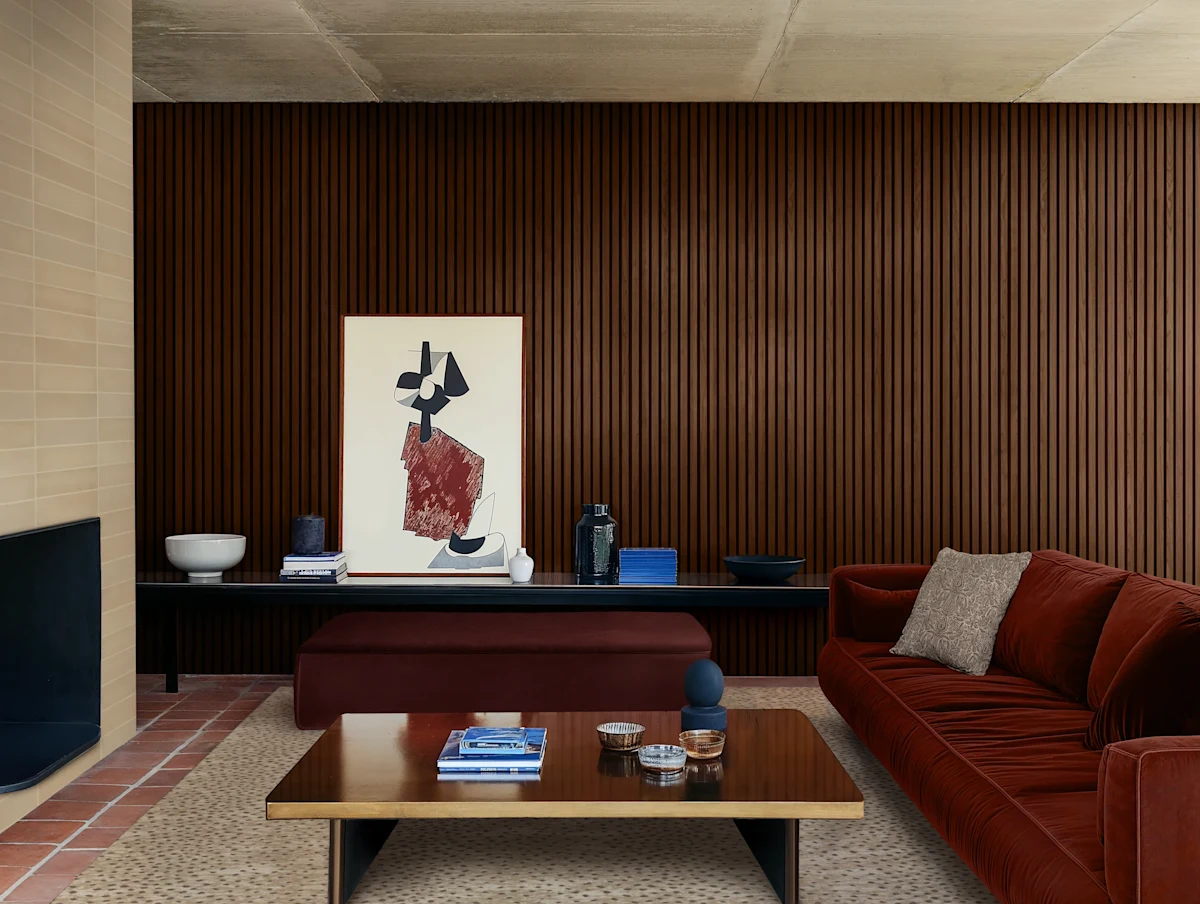
The best rooms just feel right when you walk into them. It’s sometimes hard to put your finger on why an interior works, but it’s typically an alchemy between well-appointed furnishings and layered finishes. But there’s an unsung hero behind every Pinterest-worthy space that doesn’t always get the credit it deserves: texture.
Design elements like textured wallpaper, decorative wall paneling, fabric, and flooring introduce warmth, depth, and even comfort into a room. And if you’re responding to the coziness of a space, that’s probably the interplay of textures between the furniture, accessories, and finishes at work.
Once you understand where to add texture in a space, it’s a matter of picking out the tactile features and furnishings you respond to and peppering them into a given room. The good news is there’s something for everyone when it comes to texture in interiors. These ideas will give you a place to start, whether you’re doing a quick room refresh with textured walls or renovating a whole home from the ground up.
What Texture-Driven Interiors Really Mean
When you hear the phrase “texture-driven interiors,” the pros are talking about spaces that are highly tactile because they include several touch points that are dimensional in some shape or form. For textured walls, think wallpaper, which often also features raised designs, or limestone paint, which has a cloudy, chalky textured finish versus plain painted drywall.
Underfoot, wood flooring texture is also very noticeable, too, and can include knots and grains, which are raised to the touch versus level and smooth. Whether high or low pile, carpeting tends to provide a cushiony textural effect as well. Certain rug fibers are extra tactile, like natural jute and sisal or wool shag. Ceramic can also present as quite textured, especially if tiles are handmade or hand-finished, like shimmery zellige tiles with slightly irregular edges.
Don’t forget about upholstered furniture and fabric textiles in a texture-driven design scheme either. Curtains and window treatments will always introduce softness as well. The lovely thing about texture is that it can run the gamut, from slick and modern to cozy and fuzzy. And a well-balanced interior would likely incorporate some elements at both ends of this spectrum for visual variety.
Why Plain Painted Drywall Is No Longer the Default
Walls are one of the most prominent features in a room because they take up a lot of visual real estate. Since the pros know design without dimension often falls flat, they’ve begun using walls to their decorative advantage.
Plain painted drywall isn’t the only option available in a designer’s toolkit, especially when the goal is to create a dynamic interplay of visual elements. Plenty of more decorative, textural wall treatments exist, and you can find a style that’ll suit just about any aesthetic, from wallpaper and paneling to specialty paint finishes like limewash or lacquer.
Textured Wallpaper Ideas for Modern Homes
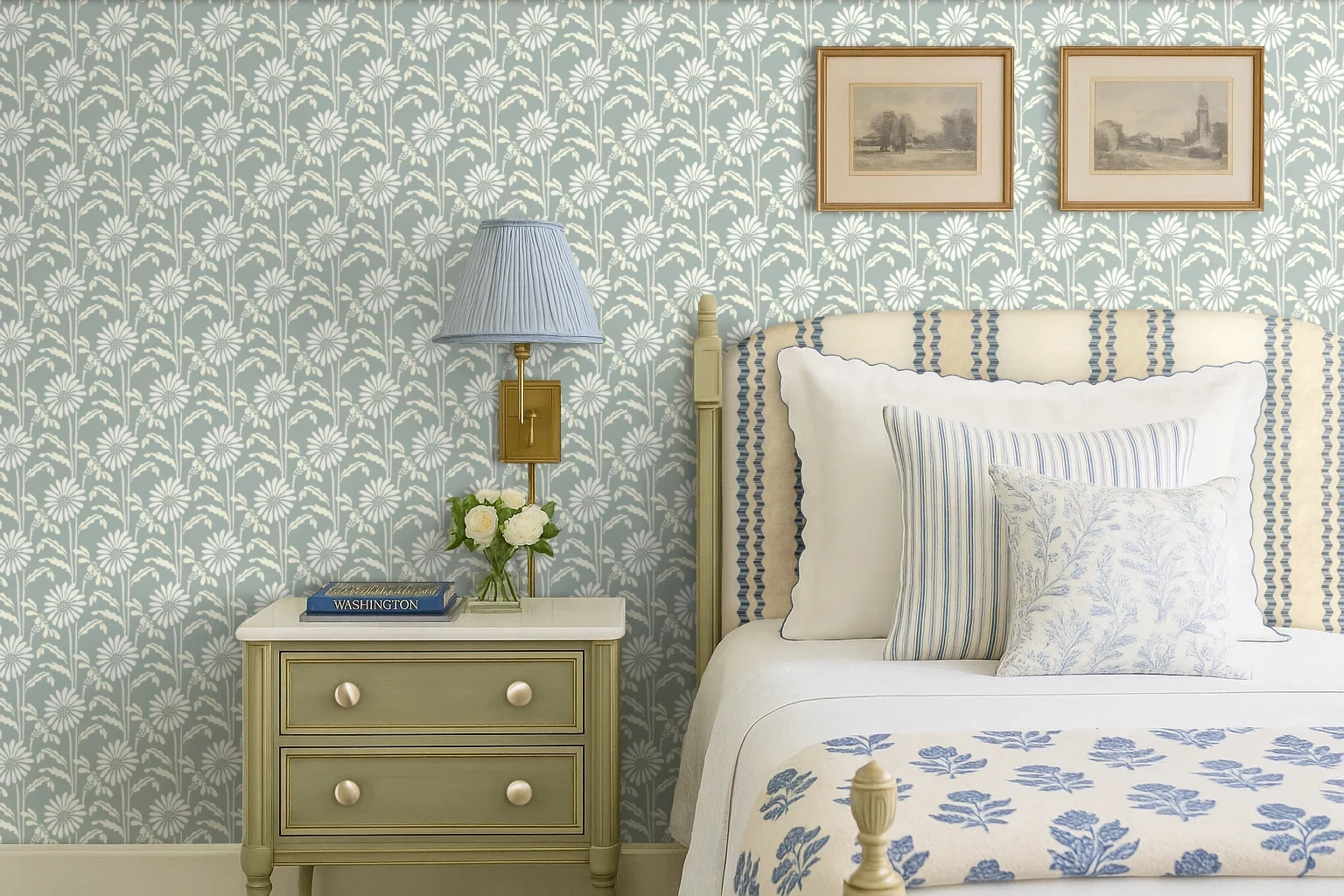
Wallpaper has experienced a huge renaissance lately, thanks, at least in part, to peel-and-stick wallpaper that’s made installation much easier and completely reversible. Wallpaper, by its very nature, has a texture to it, since it’s typically a pattern printed on paper or vinyl with ink. But some wallpapers take that quality a step further, with aspects of their patterns printed in relief for a raised, 3D look.
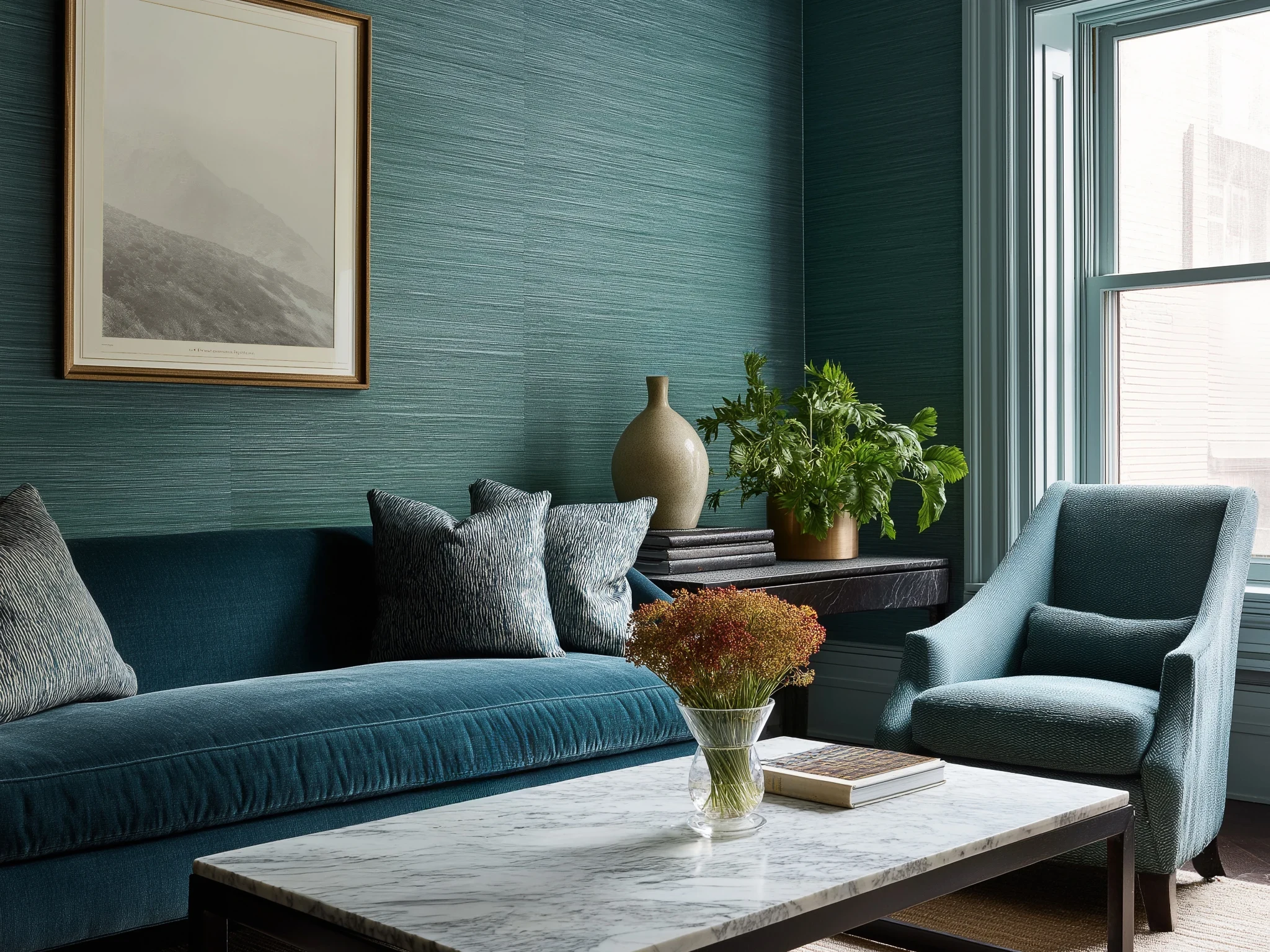
For the ultimate in modern textured wallpaper, you can find something that has even more of a hand feel to it. Grasscloth wallpaper, for example, is made of woven plant fibers adhered to paper backing. Because the fibers run horizontally, grasscloths tend to look like subtle, organic striped patterns from afar. Changing a grasscloth’s colorway and surroundings can make it read anything from classic coastal to minimalist quiet luxury.
Cork wallpaper is another highly textured wall covering option that, again, can be quite the style chameleon. Depending on what you pair it with, cork can create anything from earthy vibes to ‘70s glam.
No matter what kind of textured wallpaper you choose, it’ll add so much character and visual interest to a room. You won’t have to do much else to a wallpapered space for it to feel polished, but you could always double down with even more pattern and color for a true maximalist vibe.
Wall Paneling Ideas That Add Depth and Character
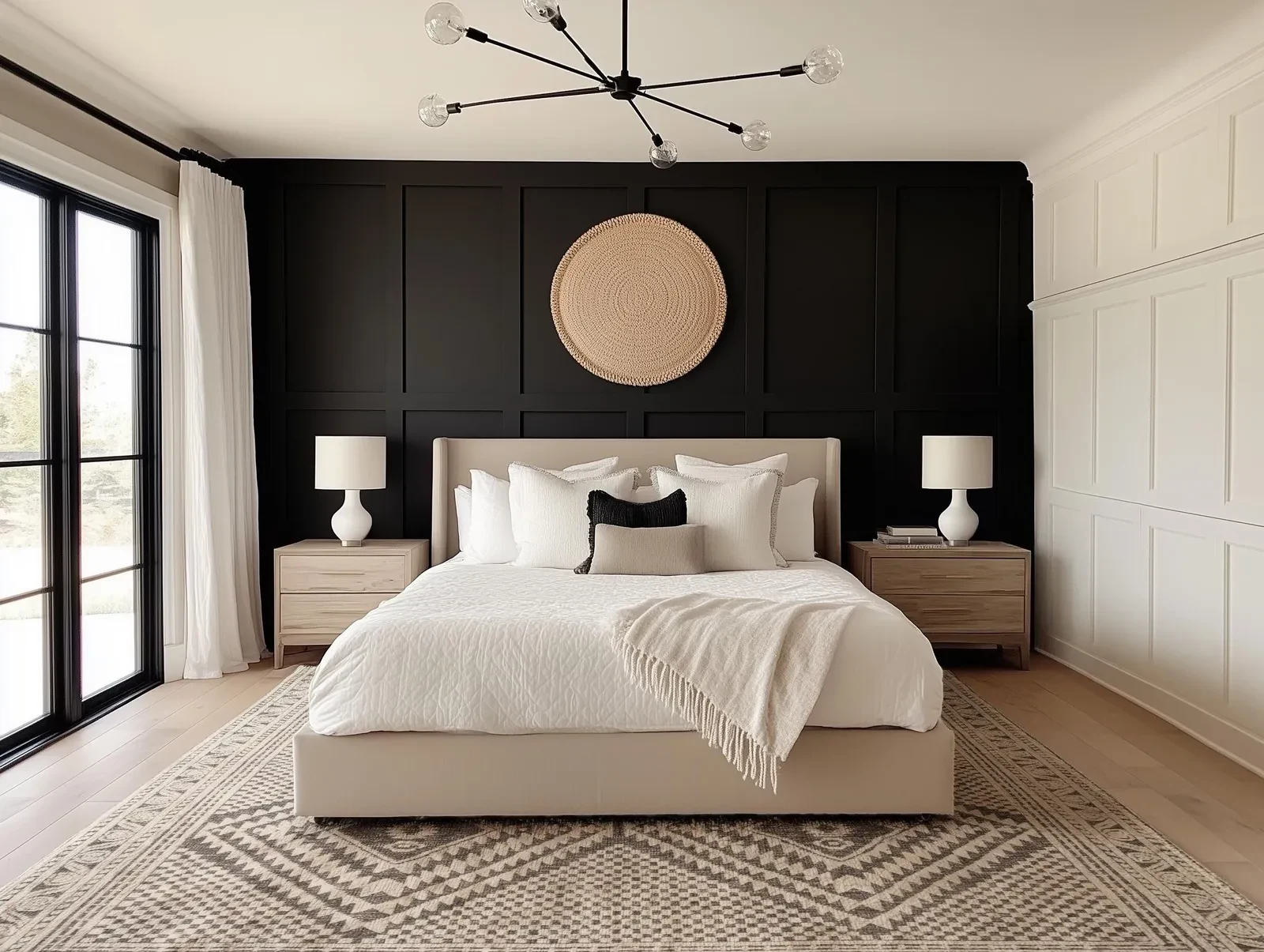
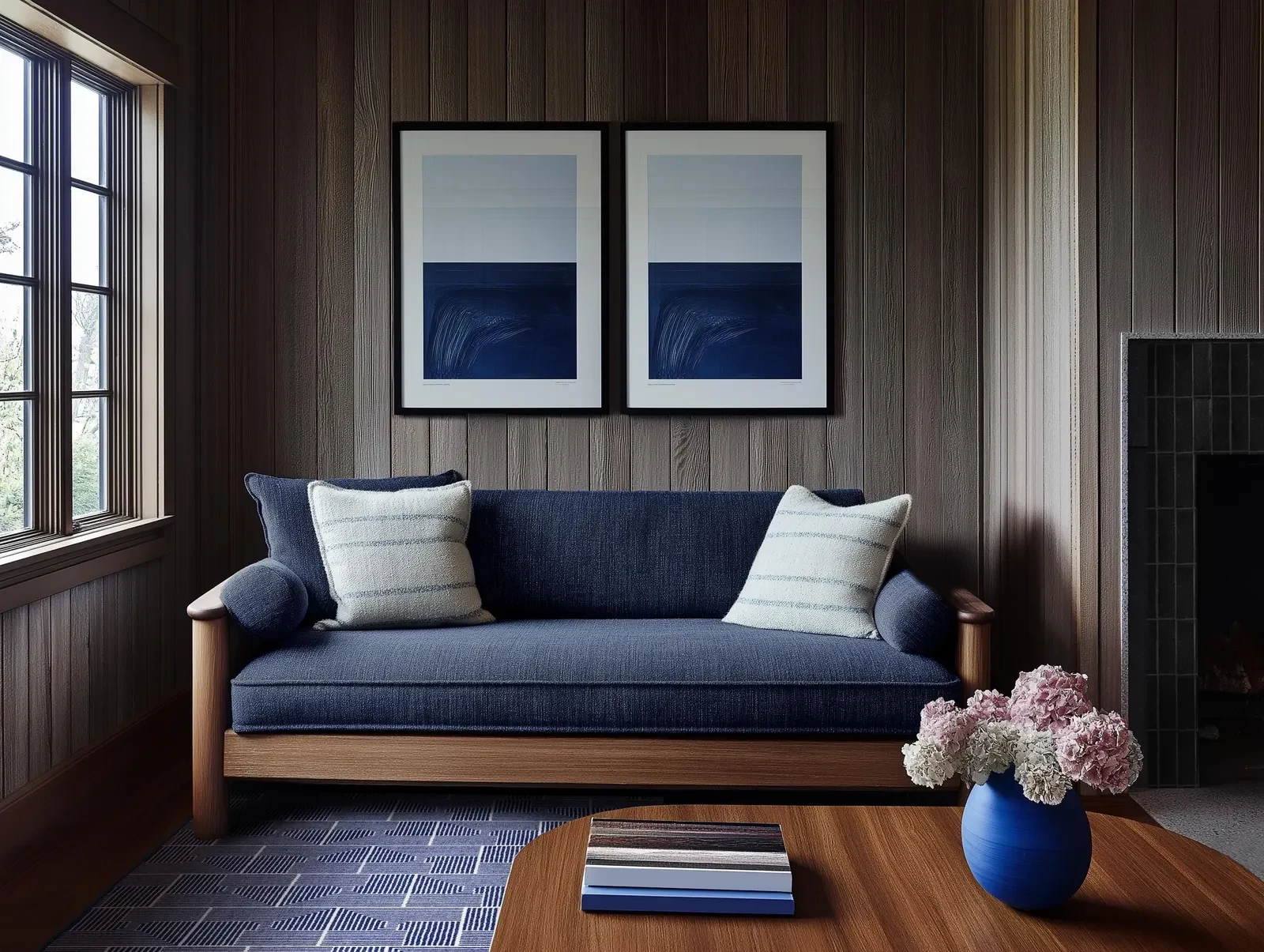
If wallpaper seems a little busy for your design tastes, then decorative wall paneling might be a better match for your home. Paneling comes in many formats and sizes, but any wall paneling ideas you pursue will bring a subtle dose of texture to a room. Paneling is also a great way to elevate the look of paint, since most types of paneling are either paintable or can be paired with paint. Paneling will make plain flat paint look way more dimensional; pretty much any color will draw attention to the way light hits the high and low parts of a piece of paneling, creating dramatic highlights and shadows.
An easy way to try the paneling trend on for size is with picture frame molding, which is also sometimes called box paneling. You can DIY a version of this wall treatment with pieces of stock molding stapled into “box” shapes and mounted at equally-placed intervals on your walls (the boxes can be large and cover the whole wall from floor to ceiling, or you can install smaller box panels above and below a chair rail — or just below a chair rail).
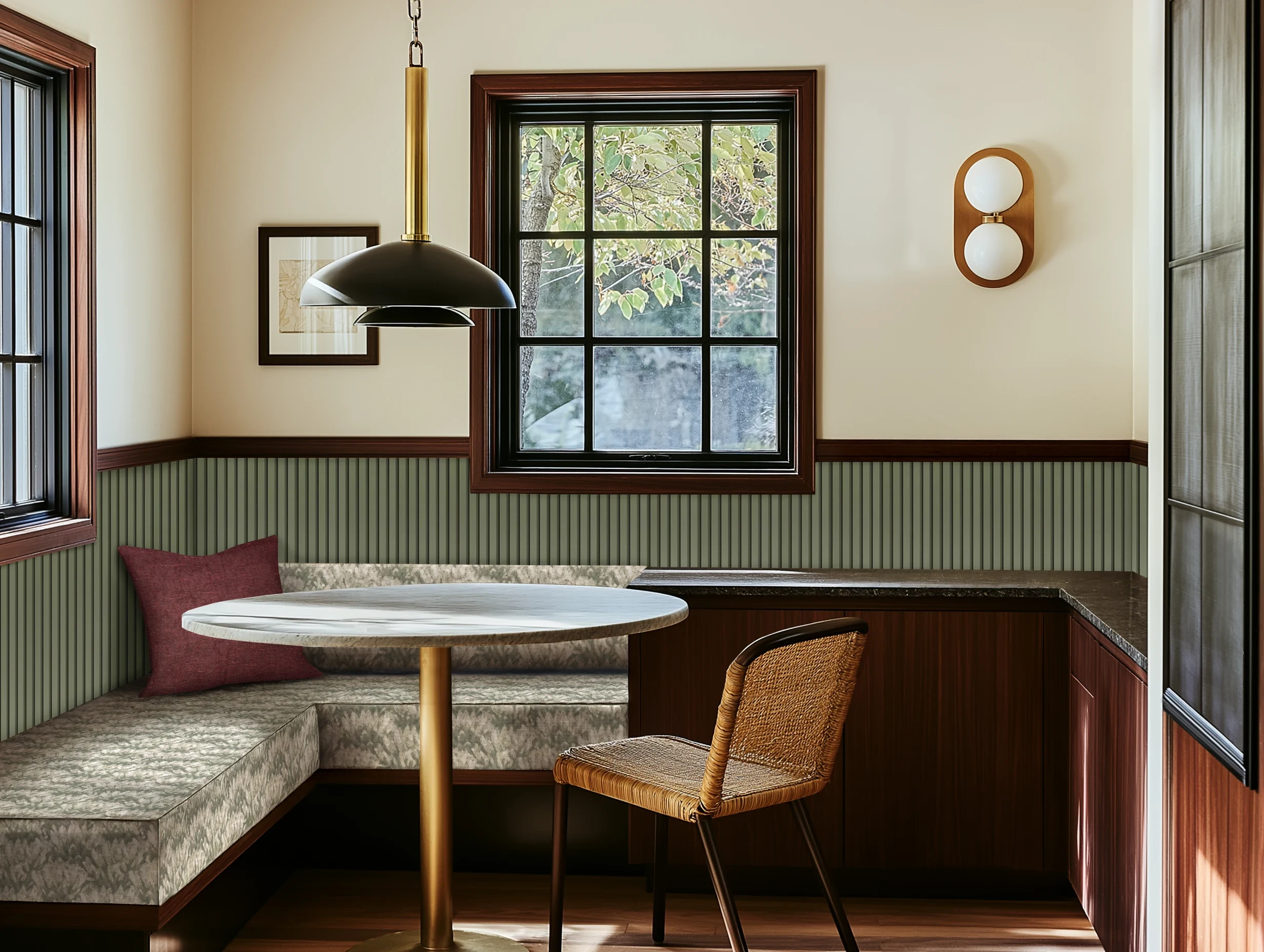
Beadboard and shiplap walls (or wainscotings) offer even more texture, since you can see the grooves of individual boards as they sit side by side on a wall. Beadboard tends to run vertically, while shiplap usually runs horizontally. Board and batten is another typically vertical option, if you want fewer grooves and a bit of a more subtle, smoother look.
While beadboard, shiplap, and board and batten tend to read more traditional in a home, fluted paneling is a great option for a more modern look. Many people choose to use fluting to highlight certain architectural features, like fireplaces or kitchen islands. But you can also cover a wall (or walls) in fluting as well.
Wood Flooring Texture and Natural Stone Interiors
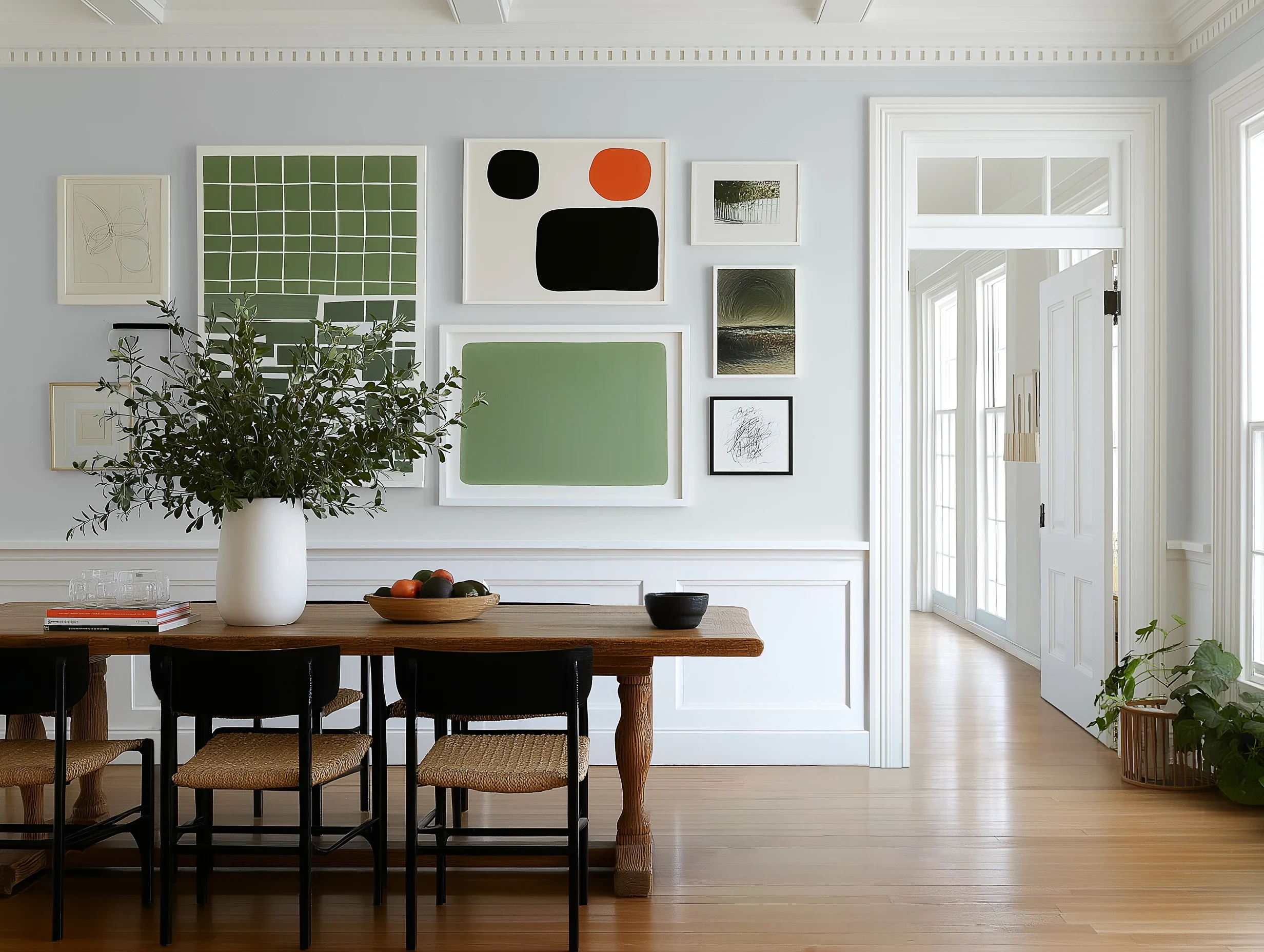
Your walls aren’t the only place to play with texture. You can also introduce tactility underfoot. All flooring has some texture to it, but wood flooring can be especially pretty because of its knots, grains, divots, and grooves.
Solid hardwood floors will always have the most realistic, natural look, but you might be surprised just how much texture luxury vinyl plank flooring and composite products can have. They’re often more affordable, too, which means you can get that wood flooring texture look at a wide variety of price points.
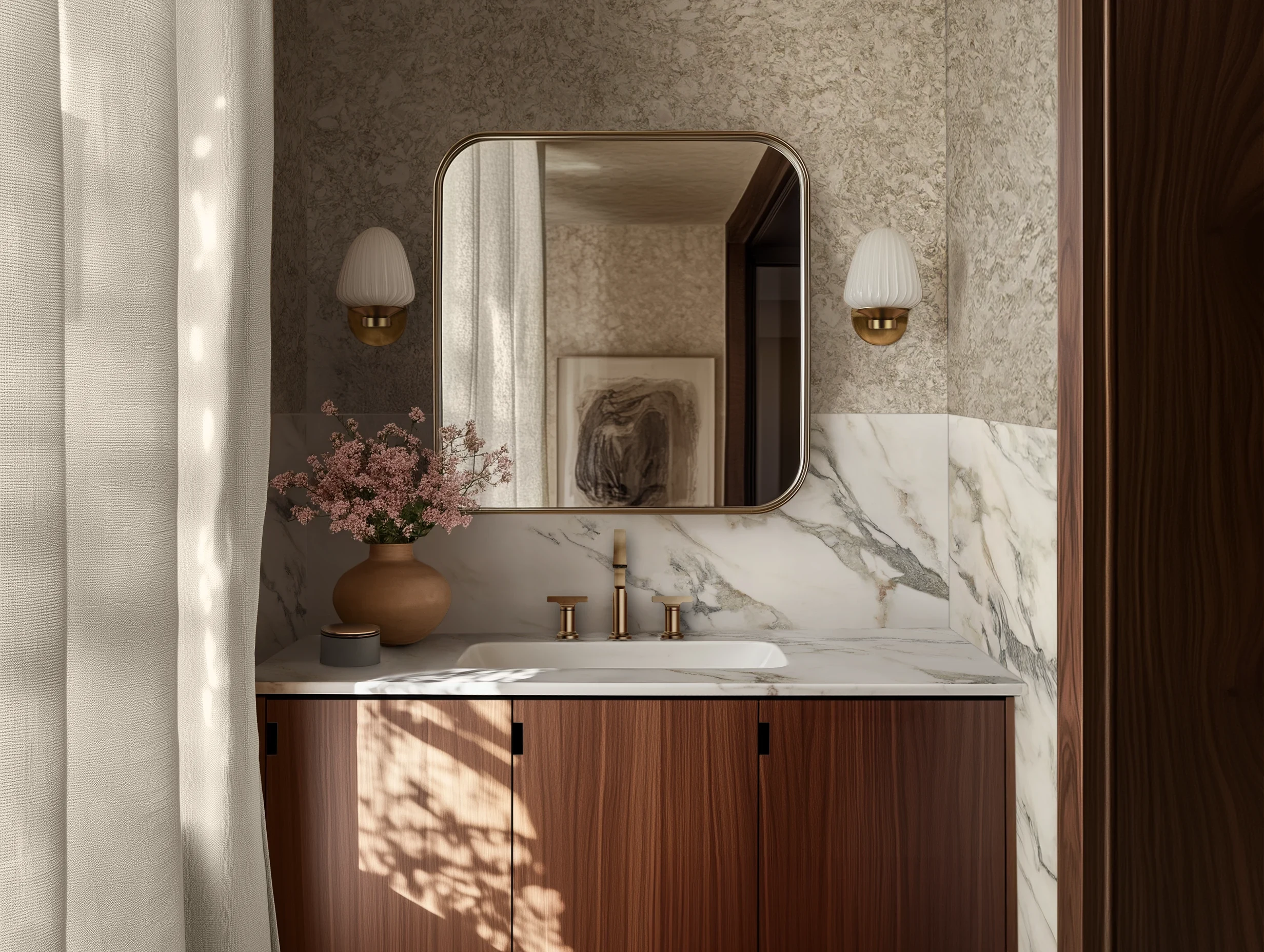
Stone offers yet another way to introduce tactility to a space. Slabs are most often used on surfaces like countertops and floors, but you can think outside of the box with stone touches as well. Designers have been using marble for thresholds and trim in luxury bathrooms lately, and you can also use stone for cladding fireplaces, mantels, and range hoods.
Just like wood, stone has natural striations and markings that introduce so much warmth into a space. If you want something extra textured, consider limestone or travertine, which both have more pitting in them than certain other types of stones. Speaking of polish, you can also experiment with the finish of a natural stone to downplay or highlight its texture. Matte finishes will be quieter, while high polished ones often look a little louder and more glamorous.
How to Use Textured Walls Without Overdoing It
Like any other home feature, textured walls lose a little bit of their luster if you put them everywhere. For the most decorative impact, choose textured wall treatments for a few key spaces in your home. You might try one or more textured elements in a dining space or bedroom. But maybe you leave some of your walls in, say, a hallway or bathroom just plain flat painted.
Or you can create balance within a room by using texture on an accent wall or special feature. Think slatted wall paneling on a fireplace or living room TV wall, as examples. Or you could try a paneled wall behind a primary bedroom headboard. The main thing to remember here is that you don’t have to cover a room’s four walls in texture. Pops and hits of tactility work, too.
Shop Texture-Forward Material Samples at DesignShop
Textured wall covering and flooring options can take your room design to the next level when it comes to style, presence, and polish. But like any other home renovation or upgrade, you’ll want to check out samples of textured wallpapers, wall paneling, wood flooring, and more before you commit to them. Start your search at DesignShop, which has samples of all of these materials for any room you might want to add a little texture to. Once you can see and feel these swatches — many ship to your home overnight! — you’ll be confident in your decision for your next big project.