
If you’re trying to decide between whether to renovate vs remodel a space — or maybe even your entire home — you probably feel like the stakes are high. Refreshing a home costs serious money, and depending on what route you choose, the work that’s supposed to make your life easier can also be very disruptive, at least for a time.
The good news, though, is that there’s no wrong answer between remodeling vs renovation. You just have to weigh the pros and cons of each to decide which makes more sense for your budget and timeline. Here, you’ll find all the information you need to make an informed choice. And you know what that means? You’ll be that much closer to turning what might feel like a series of dull spaces into your forever dream home.

Understanding the Differences Between Renovation and Remodel
Honestly, “remodel” and “renovation” sound sort of alike, and the work encompassed by both shares many characteristics. So it’s easy to mistakenly use these terms interchangeably. But when you’re talking about remodeling vs renovation, there are some nuances and very big differences. Breaking these terms down will help make those distinctions so you can decide which might be better for your own home.
What is a renovation?
A renovation, or “reno” for short, involves tweaking or restoring a room, space, or home to upgrade it without making significant structural changes. While a renovation can be extensive and very impactful both in terms of the look and function of a home — especially if it’s a full home renovation — this kind of work tends to focus on cosmetic changes.
Renovations can involve swapping fixtures, replacing flooring, painting walls, and even installing new lights. But the major distinction is that the original layout will stay mostly intact.
What is a remodel?
Unlike renovations, remodels significantly alter the layout and structure of a room, space, or home to change its appearance and function architecturally. A remodel isn’t about a spruce up or a quick refresh; it’s a total overhaul (think: removing walls to open up a kitchen into a dining area, turning a closet into a bathroom).
Because remodels change rooms at their cores, this type of work often requires plumbing and electrical overhauls. As such, remodels can take many months to finish and involve, on the whole, more building professionals for completion.
Key considerations for each
Whether you renovate vs. remodel, you’ll want to think about how extensive the work your home needs done is, your budget, and the amount of time you’re able or willing to wait for completion of the job. You’ll also want to think about what accommodations, if any, you can make for living somewhere else while your home is an active construction site.
The Benefits of Single-Room Renovations
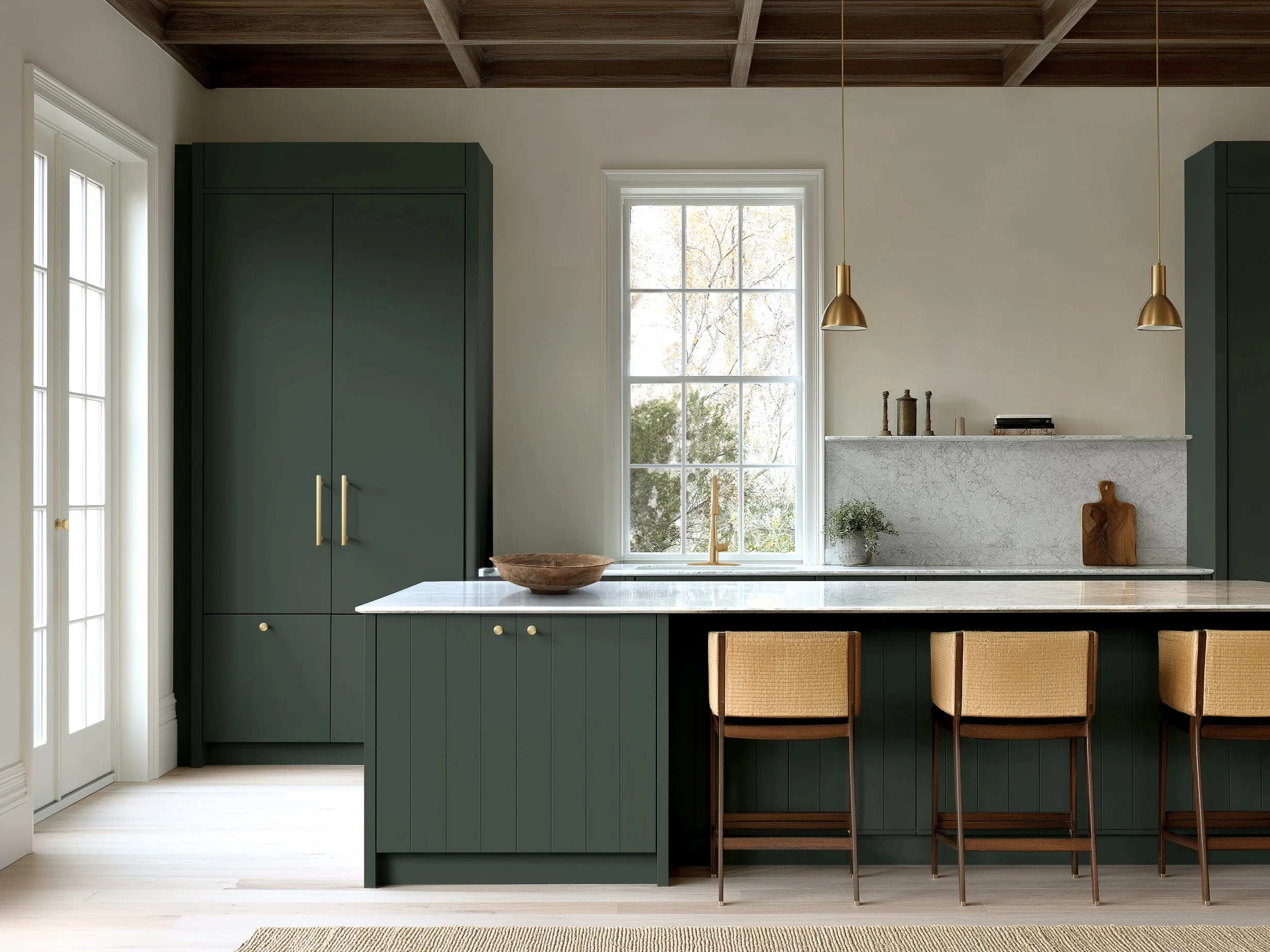
Even though by definition, renovations don’t involve major structural work, both single-room (and full-home renovations) can still be very transformative. It’s all about focusing on impactful changes to your walls, floors, and potential cabinetry while introducing new fixtures, finishes, and lighting. These types of changes can really refresh a space and make it look and feel more like you.
Renovations also typically don’t require permitting, since they’re not major architectural alterations. So that’s one less step in the prep and planning phase that you’ll have to worry about. Some of the other positives of when you renovate vs. remodel are:
Cost-effective improvements
Because renovating is mostly cosmetic, from painting and wallpapering to redoing flooring and installing new fixtures or appliances, you won’t need to save up quite as much money for the work. Renovations aren’t cheap, though; they’re just a bit more budget-friendly than remodels. And obviously, the more rooms you tackle, the higher the bottom line will be.
Less disruption to daily life
Since the scope of work tends to be smaller, renovations can often be completed on tighter timelines. Good work doesn’t happen overnight, but you’re less likely to be fully displaced from your home with a renovation, especially if you take it room by room as you update.
Focused design enhancements
Because you aren’t changing the layout or structure of rooms in a renovation, you can zero in on making very targeted, one-for-one swaps. In a bathroom, that might mean new tile, a new shower or bath, and a new toilet and sink. Or the design enhancements might be even smaller in scale, like a countertop swap in a kitchen or just painting the cabinets there. You don’t have to scrap everything in a renovation. You can keep some existing features and refresh the others.

Advantages of Full Remodels
Unlike renovations, remodels allow you to start from scratch to create a bespoke space that looks and functions in exactly the way you want it to. The work can take many weeks, months, or even years, depending on its scope.
Typically, with a full remodel, you’ll be making structural changes like taking down walls and shifting walkways as well as potentially rewiring your electric and reworking plumbing. Remodels also often include the installation of new doors and windows and even can incorporate new insulation and completely new floors (and subfloors) underfoot. Because remodels are so all-encompassing, they can offer several advantages over renovations:
Cohesive design flow
When you remodel vs. renovate, you can transform the way your spaces lead into one another. That’s because you can literally change doorway locations and openings as well as add and subtract walls. Tailoring the floor plan to your every need and the way you want to live in a home makes for a very cohesive design flow.
Higher ROI potential
When you go to sell your house one day, a remodel’s more extensive changes can yield a higher return on investment, or ROI. That’s particularly true if you can turn what was once considered unusable space into extra square footage for living (think: turning a garage into a guest suite or finishing off an attic).
Streamlined construction process
When you’re undergoing a remodel, typically, you’ll be assembling a full team of pros to get your project over the finish line. While you might be attempting to DIY some portions of renovations, remodels — even just a single kitchen or bath remodel — will largely be handled by contractors and subcontractors, leading to a more streamlined construction process.

Comparing Costs and Timelines
Speaking of the construction process, it’s a good idea to examine the differences in costs and timelines that exist between remodeling vs. renovation. This will help you figure out what’s the better decision for you out of the two.
Budgeting tips
If you don’t have quite as much money set aside for a redo as you’d like, a renovation can be a more cost-effective way to spruce up a space. Again, because the bones of your space will stay largely intact, the cost can be much lower than a remodel.
Timeline expectations
Making improvements to the look and feel of your home takes time. That said, remodels typically take longer than renovations because permitting can be involved, and the work tends to completely overhaul a space as opposed to working with some of the elements of what’s currently there.
Working with contractors
Both renovations and remodels can include working with contractors. You may be able to DIY some elements of a renovation, though, especially if you are just making updates to surface finishes and existing fixtures.

Frequently Asked Questions About Remodeling Decisions
Thinking about a remodel (or renovation) after all that you’ve read here? You’ll probably have dozens of questions about the process and want to make as informed of decisions as possible. These top frequently asked questions can help you move closer to demo day.
Should I move or remodel my home?
Whether it’s a better idea to move to a new home or remodel your current one depends on a few key factors. First, do you love your neighborhood? If the answer is yes, and you think your home’s layout and structure could be altered to better fit your needs, then remodeling could be the right way to go.
If you think your home will never be able to meet you where you want it to be at — or getting it to that point would cost almost as much as or more than a new home — moving is probably the better of the two options. If you want to stay local, you can always try to find something in your current neighborhood or town.
What types of remodels offer the best ROI?
The answer here is kitchens and bathrooms. The kitchen is the heart of the home, so buyers are always impressed by a dreamy space with plenty of cabinet storage, prep space, and a suite of designer appliances. Compared to other rooms, bathrooms take a lot of wear and tear over the years and thus need constant updating. For that reason, a remodel there goes a long way, too.
How can I figure out what’s realistic in terms of budget?
Get multiple quotes from contractors to zero in on a range for the scope of your work. From there, run those numbers against what’s average in your area to make sure you’re not hearing something from a contractor that’s too good to be true price-wise — or that you’re being grossly overcharged on the other end of the spectrum.
Set aside an extra 10 to 20 percent of your budget for contingency, as you never know what contractors may find when they’re in the process of completing your job. Prioritize features that are high on your list, and let go of others that might be expensive but non-essential.