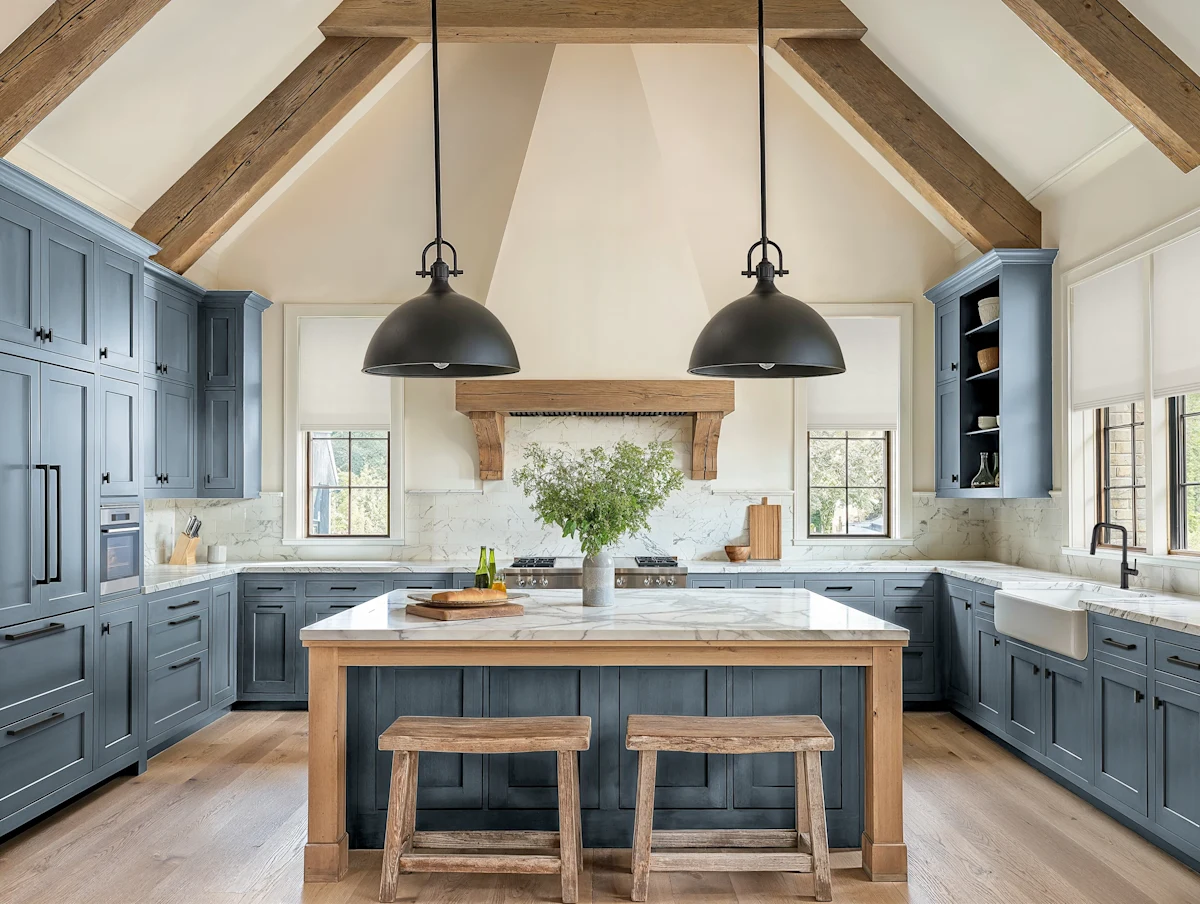
Hardwood floors add warmth, beauty, and value to any home. Over time, though, they can start to show signs of wear and tear — scratches, fading, and even structural damage like cracking or rotting. When that happens, the big question becomes: Is your next move replacing or refinishing your hardwood floors?
At DesignShop, we understand choosing the right solution for your floors is an important decision. Whether you’re looking to restore the original charm of your existing hardwood or considering a fresh start with new flooring, we’re here to help you make the best choice for your space. In order to do that, you’ll want a solid overview of the differences between refinishing hardwood floors and replacing wood floors. And that’s exactly what follows here, so you’re in luck.
Understanding the Difference Between Replacing and Refinishing Floors
Knowing the difference between replacing and refinishing hardwood floors is key to making an informed decision on what might work best for you based on budget and the current state of your floors. Here’s a breakdown that will help you make the distinction.
Refinishing involves sanding down the existing wood surface, repairing minor scuffs and superficial scratches, and applying a fresh stain or protective coating. This process restores the original look of your floors without the cost of full replacement.
Replacing means removing the existing flooring and installing new hardwood or alternative flooring material. This is ideal when the floors are beyond repair or you want to update the look of your home completely.
Refinishing Hardwood Floors
Refinishing hardwood floors is a great option when the damage is primarily surface-level. Professional refinishing can remove scratches, discoloration, and minor dents while maintaining the integrity of the original wood. The general process of refinishing includes these steps:
Sanding removes imperfections and smooths out the surface.
New stain harmonizes the finish of the wood, providing you the options of updating the color or restoring the original look.
A fresh clear coat protects the wood from future damage and enhances durability.
Replacing Hardwood Floors
Replacing hardwood floors is the better choice when the existing wood is structurally compromised or you want a completely new look. This process allows you to choose from modern and exotic wood species, new stains, and unique finishes to match your evolving style. Full replacement allows you to begin from scratch with installation, which is inclusive of:
The opportunity to switch to a different wood type or finish.
The ability for improved subflooring and enhanced durability.
A fresh start when floors have sustained extensive damage or reached the end of their lifespan.
Key Considerations for Each Option
Budget: Refinishing is typically more cost-effective than replacing.
Condition of Wood: Deep structural damage may require replacement.
Desired Aesthetic: Refinishing can restore natural beauty, but replacement allows for more dramatic style changes.
Timeline: Refinishing is usually faster than full replacement.
Signs It’s Time to Refinish Your Floors
Most of the time, it’s easy to spot when your current wood floors are looking worse for the wear. But these telltale signs definitely mean yours are due for a refinish.
Wear and Tear on the Surface: Over time, hardwood floors naturally develop surface-level scratches, scuffs, and dullness. If the damage is limited to the superficial, refinishing can bring them back to life.
Minor Scratches and Discoloration: Sun exposure, foot traffic, and furniture movement can cause fading and light surface scratches. A sanding and refinishing job can correct these issues.
Maintaining Original Hardwood: If your home features original hardwood floors, refinishing helps preserve their historic charm while improving their longevity.
Signs It’s Time to Replace Your Floors
Similarly, if you spot these larger problems with your wood floors, replacing them entirely might be your best bet.
Structural Damage: If the wood planks are splitting, warping, or buckling, the structural integrity of the floor may be compromised, which indicates it’s time for replacement.
Extensive Water Damage: Water damage can cause wood to swell, rot, or develop mold. When damage is widespread, replacing the floors is often the only solution.
Outdated or Severely Worn Wood: Sometimes it’s less about damage and more about style. If your floors feel outdated or don’t match your design vision, replacing them gives you the freedom to update your space so it’s exactly how you want it.
Benefits of Refinished Hardwood Floors
Refinishing hardwood floors can have a significant upside, particularly if you’re on a tight budget or timeline. If you live in a historic home, refinishing can be advantageous for preservation as well.
Benefit #1: They’re Cost-Effective: Refinishing is significantly more affordable than replacing hardwood floors, making it an ideal solution for minor wear and tear.
Benefit #2: The Process Is Faster: Refinishing can often be completed in a few days, minimizing disruption to your daily life.
Benefit #3: Refinishing Maintains Original Character: For older homes with historic hardwood, refinishing helps preserve the wood’s natural grain and charm.
Benefits of Replacing Wood Floors
Though replacing wood floors is more involved from a process standpoint, you’ll get a lot of bang for your buck and potential increased longevity here.
Benefit #1: Replacement Allows for a Complete Style Update: Replacing allows you to choose new wood species, stains, and plank sizes for a refreshed, modern look underfoot.
Benefit #2: Improved Durability Is a Real Outcome: New flooring materials often offer better resistance to moisture, scratches, and wear, increasing the lifespan of your floors.
Benefit #3: There’s Opportunity for Structural Repairs: Replacement provides the chance to address subfloor issues and improve the overall stability of your flooring.
Frequently Asked Questions About Flooring Decisions
How many times can hardwood floors be refinished?
Solid hardwood floors can typically be refinished four to six times before they need replacement, depending on the thickness of the wood.
How long does refinishing take?
Refinishing usually takes three to five days from start to finish, depending on the size of the space and the drying time for the finish.
What’s the average lifespan of hardwood floors?
With proper care and maintenance, hardwood floors can last 30 to 100 years. Regular refinishing can extend their lifespan significantly.
Explore Flooring Solutions with Confidence
DesignShop makes it easy to find the perfect flooring materials for your home. Our platform simplifies the selection process, helping you create a stylish and cohesive look with confidence. With DesignShop, you can:
Shop Samples: Order samples of designer-preferred wood and tile flooring from top brands, delivered overnight.
Sample the Look: Browse inspiring spaces, find the exact materials used, and order those samples.
Visualize a Room: Use our visualizer to see how different flooring options will look in your space before making a decision.
Ready to Upgrade Your Flooring? Whether you're working with wood or tile, DesignShop gives you the tools and confidence you need to maintain and enhance your floors. Start exploring our collection today, and discover how easy it is to create a space that reflects your style.