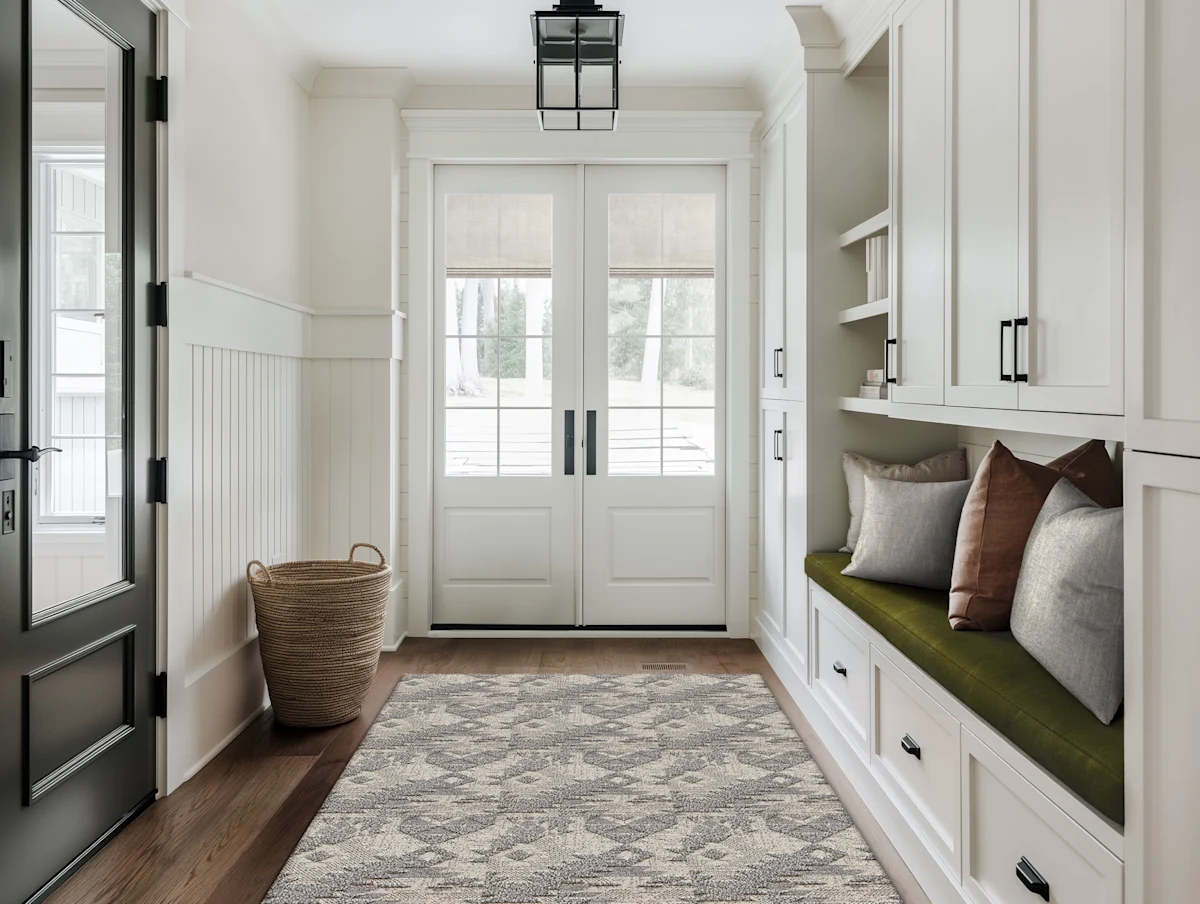
When you welcome family and friends into your home, chances are the first interior they’ll see and interact with is your entryway. A threshold between the outside and indoors, entries set your guests up for the experience of spending time in your space, as they physically walk through your front door and take in what’s immediately around them. That’s why entryway ideas are so important — you want to make sure you’re setting the scene for what’s to come with your entryway design ideas, from flooring and wall treatments to lighting and furniture. You’ll also want to consider storage, too, since some entries need to work harder than others, particularly if this spot is the transitional zone everyone uses most often when coming and going (versus a separate dedicated mudroom).
Even in the largest of homes, entryways tend to be on the smaller side. So the good news is that you can create a beautiful and functional area without much effort, no matter your budget. You’ll find a fresh batch of entryway ideas here, from how to carve one out of thin air if you’re short on space to what finishes and entryway design ideas can make your space shine. Get ready for your home to make a great first impression on everyone who walks through the front door.
Why the Entryway Is One of the Most Important Spaces
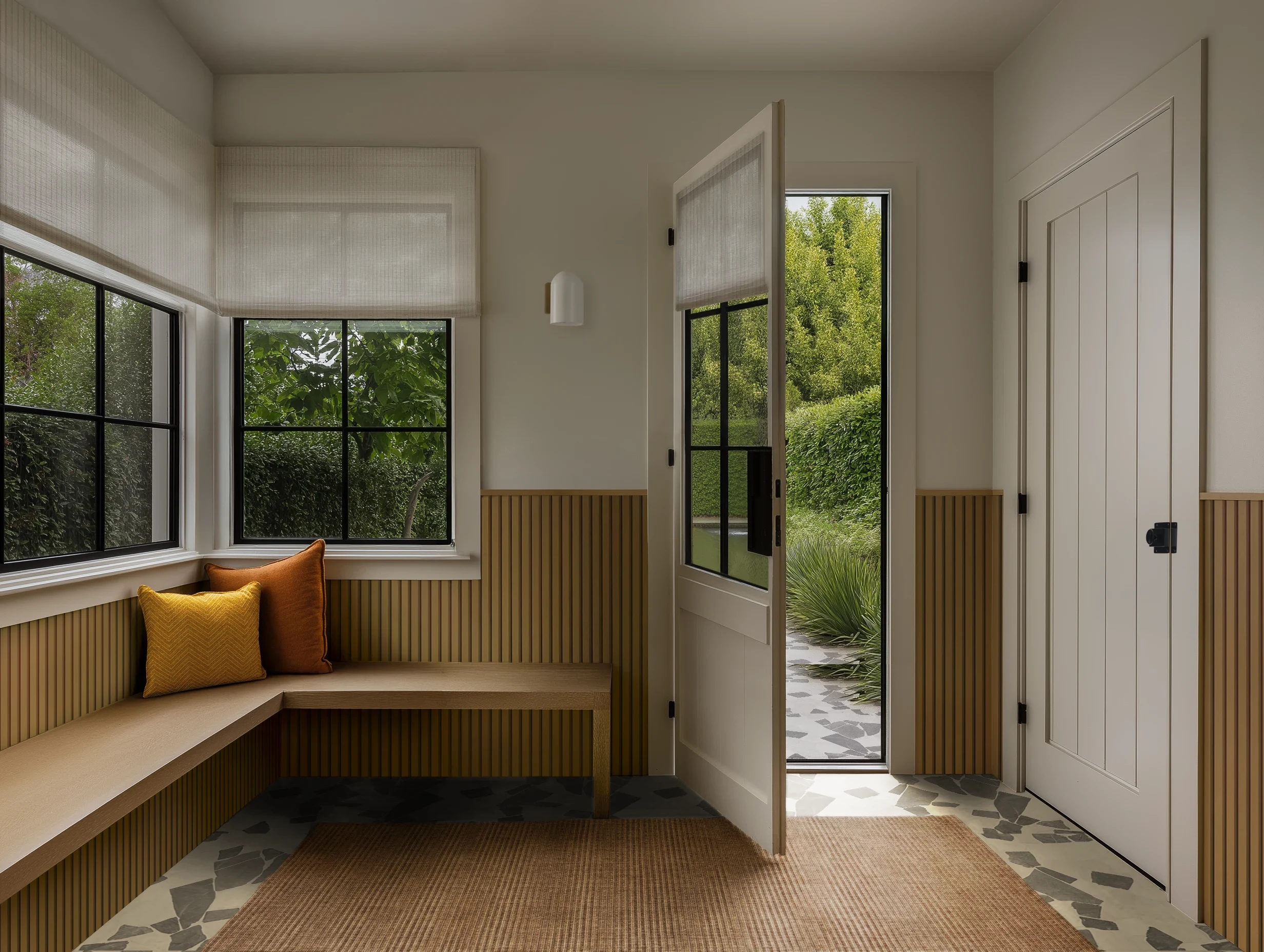
Despite being smaller in terms of square footage, entryways are true transitional zones, connecting the inside and out. As such, they’re a room that needs to work hard in terms of form and function. You’ll want to balance eye-catching details with practicality in terms of finishes and furnishings. Your entryway design ideas should set the tone for what’s to come decor-wise in your home as well as support the comings and goings of anyone who lives in the home. The entry is not a room to skimp on or treat as a design afterthought. It’s a place to show your four walls some love and intention.
How to Create an Entryway When You Don’t Have One
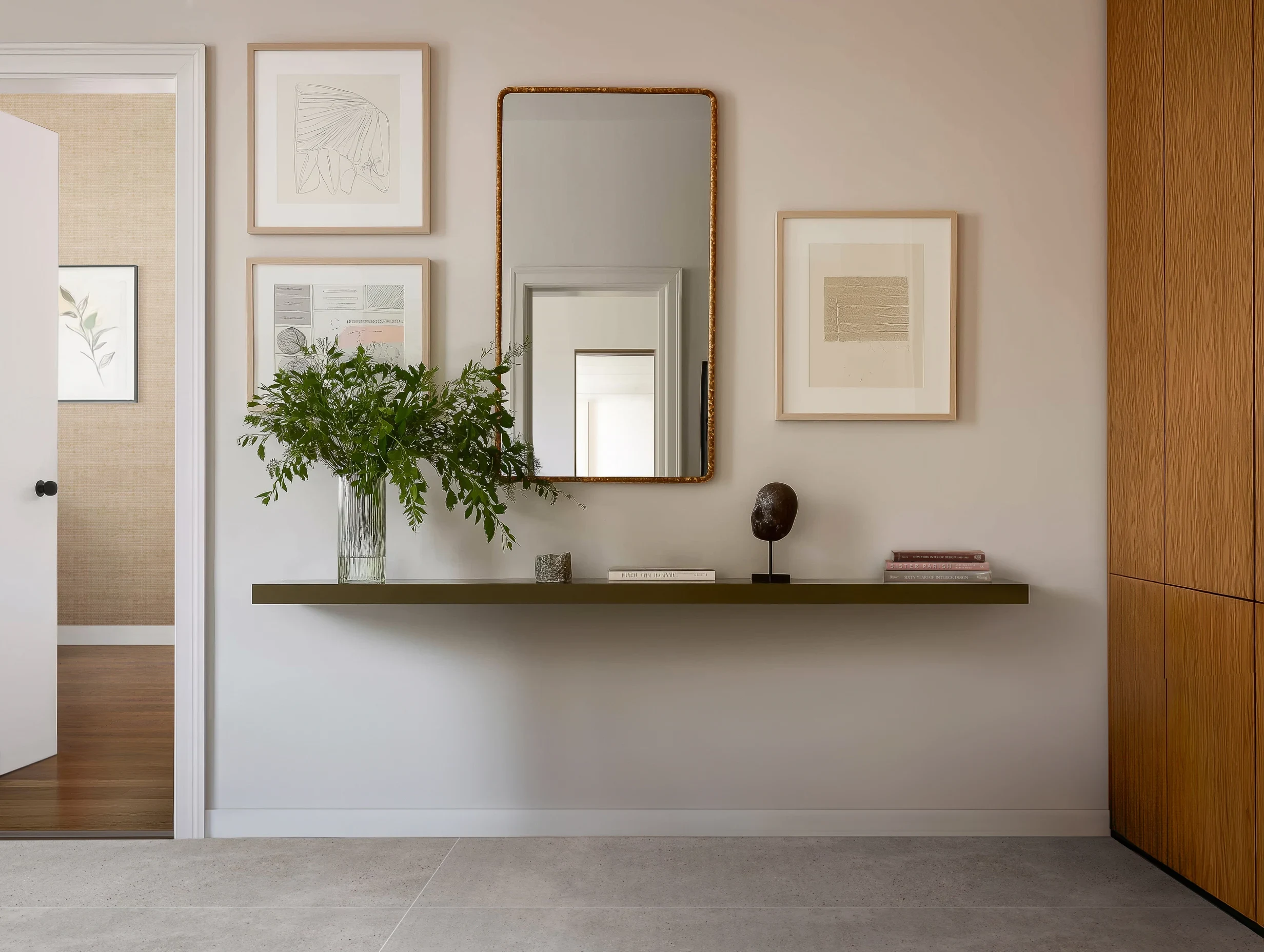
If your home has a dedicated entryway, then you don’t have to get quite as creative about working one into your space. When this room isn’t in the floorplan, though, how to create an entryway is all about carving out a spot near your door for things like jackets, shoes, and umbrellas. You might also want a place for stashing keys and any essentials like dog leashes or backpacks if you have pets and/or kids.
Working your vertical space is a great option—hook rails and wall-mounted coat racks are ideal for this. You’d also probably benefit from a small, demi-lune style console table, where you could put a bowl or tray for keys, spare change, and the like. The semi-circle shape has no corners, which is great for traffic flow in tight areas. A piece or two of furniture, like a hall-tree or a pegboard and bench combo, might be all you need for a more one-and-done makeshift entryway design. The more compact the silhouettes you choose, the better.
7 More Entryway Design Ideas to Anchor the Space
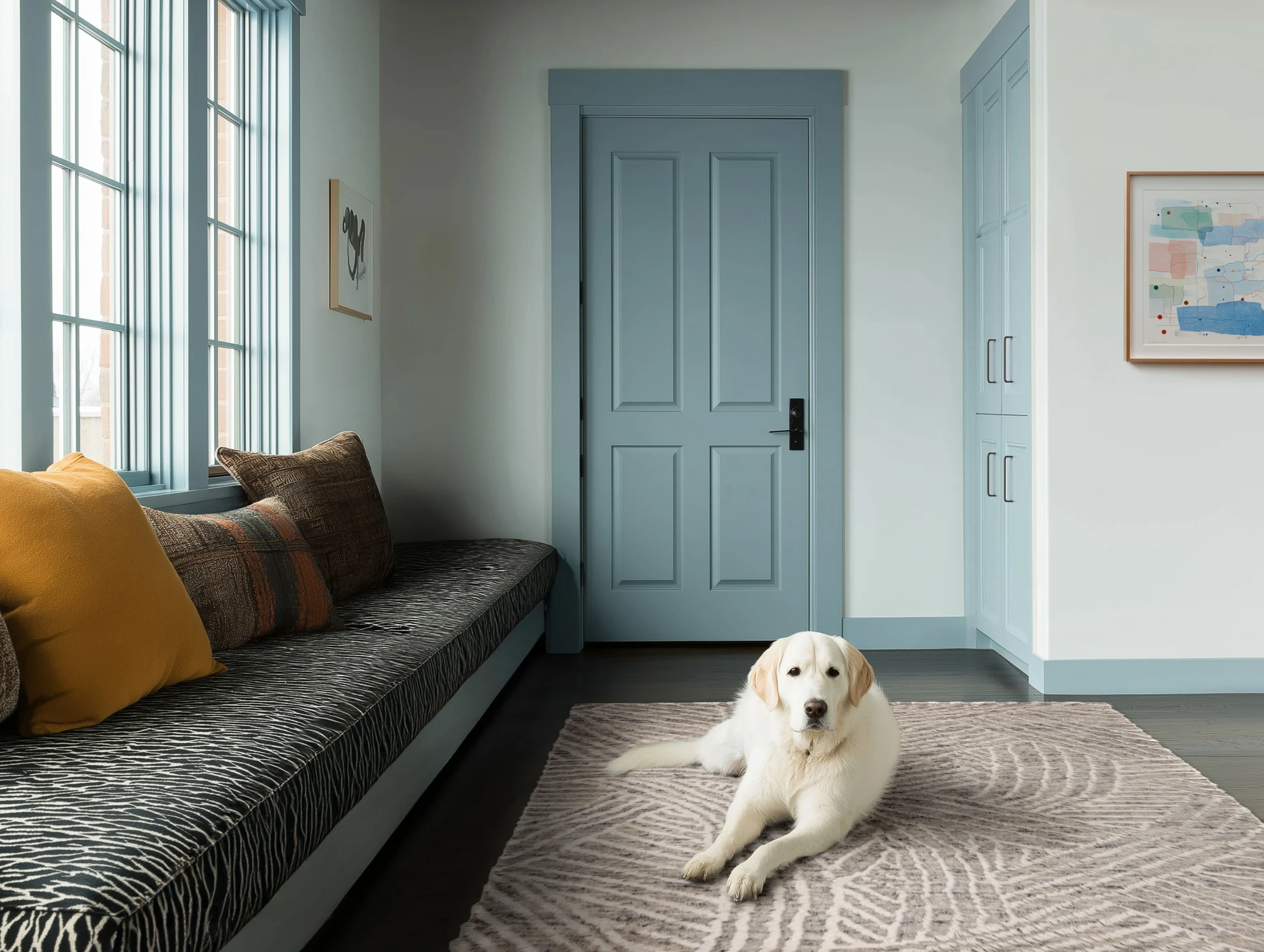
Whether you have a small stretch of wall and floor space to play with—or a fairly sprawling setup—you can make the most of your entryway with a few smart design ideas. Kick this transitional spot’s style up a notch with any of these entryway design ideas. You might even be able to try a few together.
Use Paint to Define the Entry Zone Visually
To create visual impact and cohesion in an entryway, paint can be a wonderful tool. You can choose a bold color, which will set the tone for a splashy, colorful home. Or you can go a more subdued route, with a warm or earthy neutral shade that’s more directly connected to nature, since the entryway is the transition from outdoors to inside.
Whichever direction you go with color, one thing to keep in mind is committing to paint on all the walls here. An accent wall might sound like a good idea, but strange starts and stops to paint colors in entries can create a disjointed look.
Add Wallpaper for Texture or Personality
You know how wallpaper can make a big statement in a small powder room, turning it into a jewel box of a space? The same rings true for an entryway, particularly if it’s on the smaller side.
Let a pop of pattern greet your guests with energy and excitement. Watch out for accent walls here, too, though; it’s better to paper the entire entryway for decorative impact and cohesion. And if you can’t decide on a pattern, there are plenty of entryway wallpaper ideas you can explore. Start by figuring out whether you want something smaller or larger in terms of repeat, hone in on a color scheme, and then start looking at all the print options, from stripes to florals and just about everything in between.
Choose Durable Flooring That Can Handle Traffic
Since this part of the home is such a high traffic area, entryway flooring needs to stand up to wear and tear. Consider ceramic, porcelain, or terracotta tile, which are all durable and easy to clean. Cork, vinyl, wood, and laminate flooring are all options, too.
If you choose to go the route of hardwood, consider rolling out an area rug to provide some protection from things like incoming dirty shoes and wet umbrellas. Design-wise, carpeting is also great for a hit of color and comfort underfoot.
Try Two-Tone Walls to Create Depth and Contrast
A two-toned paint job can be a great option for spaces that have a chair rail, or a molding that provides a natural break in the wall with distinct top and bottom areas. The same is true for walls with wainscoting of all kinds (board and batten, beadboard, etc.), since you can choose one color for the architectural feature and another for the bare wall above it.
If your walls don’t have any moldings or coverings, don’t worry. You can fake this look with a little bit of painter’s tape. Use the tape to create a divide between the top and bottom of the wall, and paint the portions two different shades. It’s always a good idea to paint a lighter shade above a darker one; that way, the wall won’t feel top-heavy.
Add a Bench or Drop Zone
Since entries are often how people enter and exit their homes, they can become cluttered with stuff easily. You can relocate some of these items to other parts of the home, but chances are, they’ll find their way back to this spot anyhow.
A far better solution might be adding a bench to this area, especially if it’s one with storage. Find a design with cubbies, which can be stocked with baskets and bins. Each member of the home can be assigned a designated area of the bench for keeping their things. This, in combination with hooks and/or a console table, essentially becomes a drop zone, which is a spot for things like keys, mail, bags, etc. in a home. The idea is that it’s a command center for all the things you might need when coming or going.
Paint the Inside of the Front Door for a Pop of Color
You’ve probably thought about what front door color might make your home seem extra welcoming from the street for curb appeal. But have you given any thought to what the inside of your door looks like?
People actually see this part of their front door more than the exterior facing side. So give it a fresh coat of color. Look for a shade that complements the rest of your entryway decor.
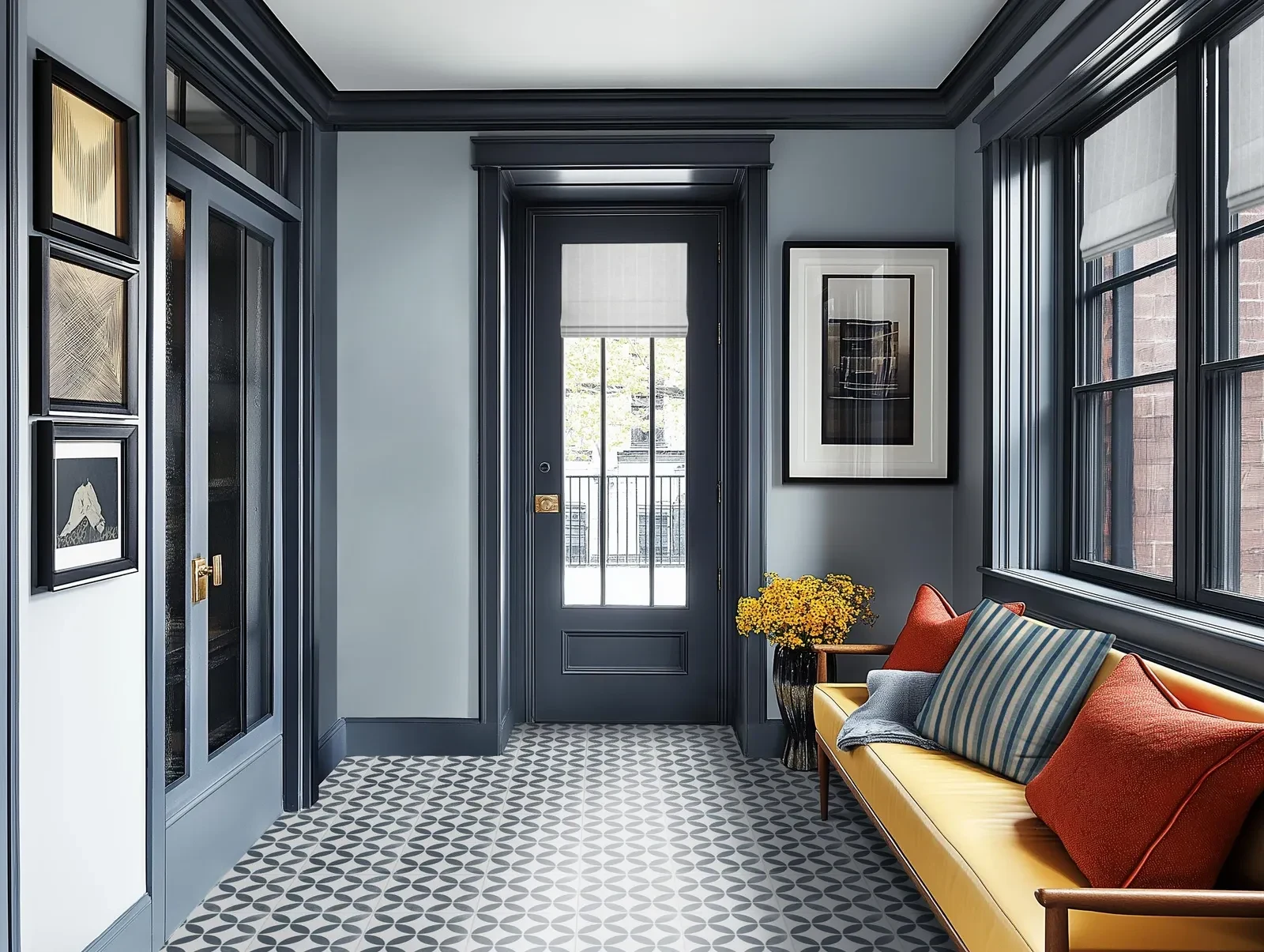
Entryway Flooring and Wall Treatments That Work Together
However you decide to decorate your entryway walls and floors, you’ll want to make sure that the patterns, hues, and finishes all work together visually. That means honing in on a color palette and sticking to it. Plan out your selections and then see how the elements all hang together visually.
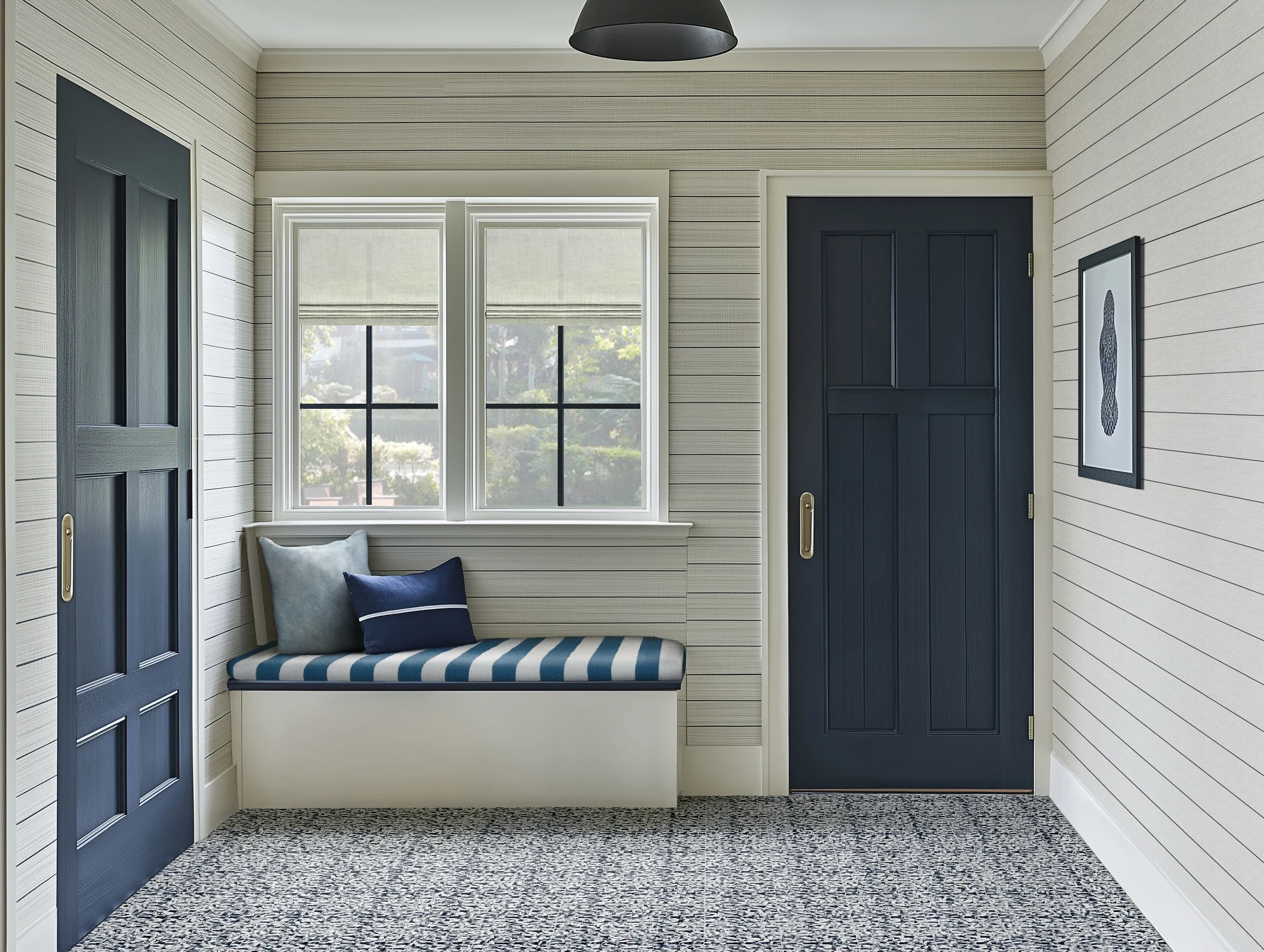
Find Entryway Updates That Fit Any Layout at DesignShop
You can order paint color, flooring, and wallpaper samples for your entryway project at DesignShop. You’ll get them super fast, and you can use them to make a moodboard. That way, you’ll feel confident in your choices and will be on your way to an entry that makes a great first impression.