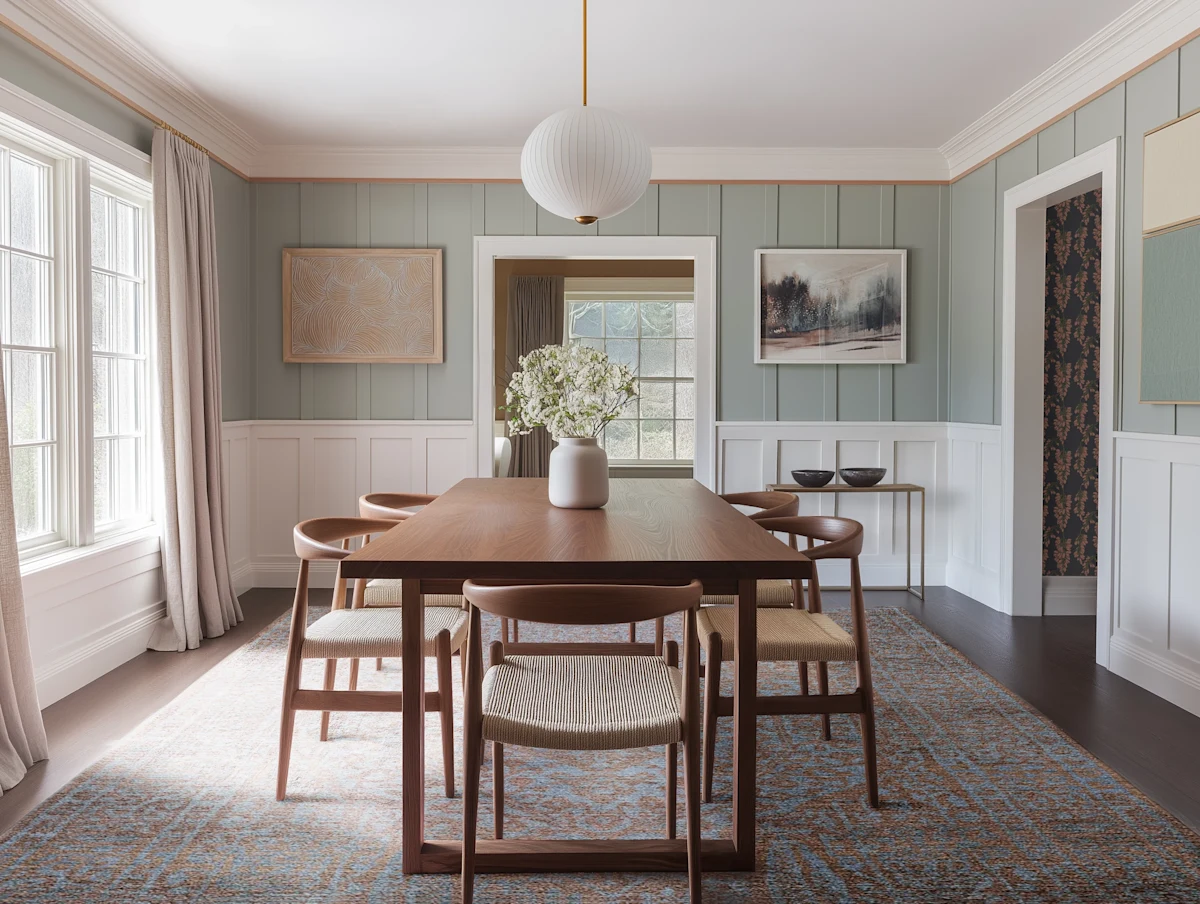
Looking to elevate your space without breaking the bank? DesignShop is all about empowering creativity — and nothing transforms a room quite like modern wall paneling. Whether you're looking to make over a blank wall or want to camouflage flaws or unwanted texture in your interiors, DIY wall panels offer a sleek, designer-worthy result at a fraction of the cost.
Here, you’ll learn everything you need to know about creating stunning, budget wall panels from start to finish that’ll look custom for your space despite being DIY.
Why Go DIY?
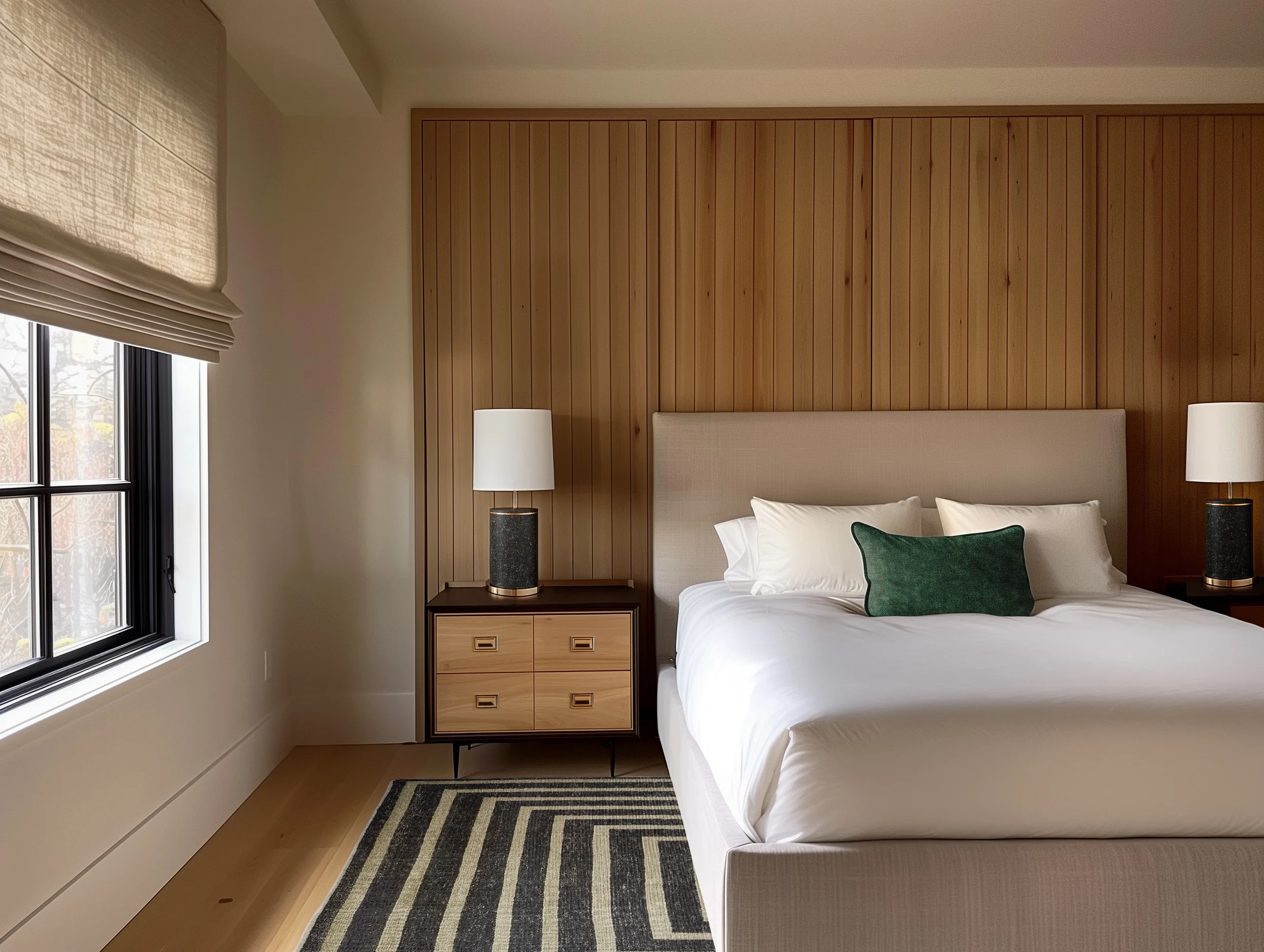
Taking the DIY paneling wall route gives you total creative control over the final product in your space; plus, this method offers serious savings. Fancy modern wall panels and custom pro installations can get pricey fast. But with a bit of planning, some basic tools, and a weekend or so to spare, you can recreate high-end decorative wall treatment using affordable panels made from MDF, plywood, or even stock trim pieces. Not only is it cost-effective, but DIYing also allows you to customize your pattern, size, and finish to suit your exact style—from bold geometric designs to clean, vertical slats.
Creating Modern Wall Paneling Looks: Step-by-Step
Let’s break the DIY wall paneling installation process into digestible steps. That way, you can get started with confidence.
Choose Your Material
Typically, the first planning decision to make is what kind of material you want to use for your DIY wall panels. Different paneling materials all have their individual attributes, which you can see a sampling of below:
Wood (Solid or Engineered)
Warm, natural aesthetic
Can be stained or painted
Suitable for rustic or traditional styles
MDF (Medium-Density Fiberboard)
Smooth surface, that’s ideal for painting with proper prep work
More affordable than solid wood
Not moisture-resistant unless treated
Vinyl & Polymer
Water-resistant and easy to clean
Lightweight and low-maintenance
Suitable for bathrooms and kitchens
Veneer Panels
Consists of a thin layer of real wood over a substrate
High-end appearance at lower cost
Available in various wood species
Additional options exist and range from laminate panels and stone veneer to other durable and versatile options like gypsum. It’s important to explore all of your available choices. Sampling different types of paneling, even different ones within the same category, can be key for cross-comparison – not to mention deciding on the various color options.
Choose Your Style
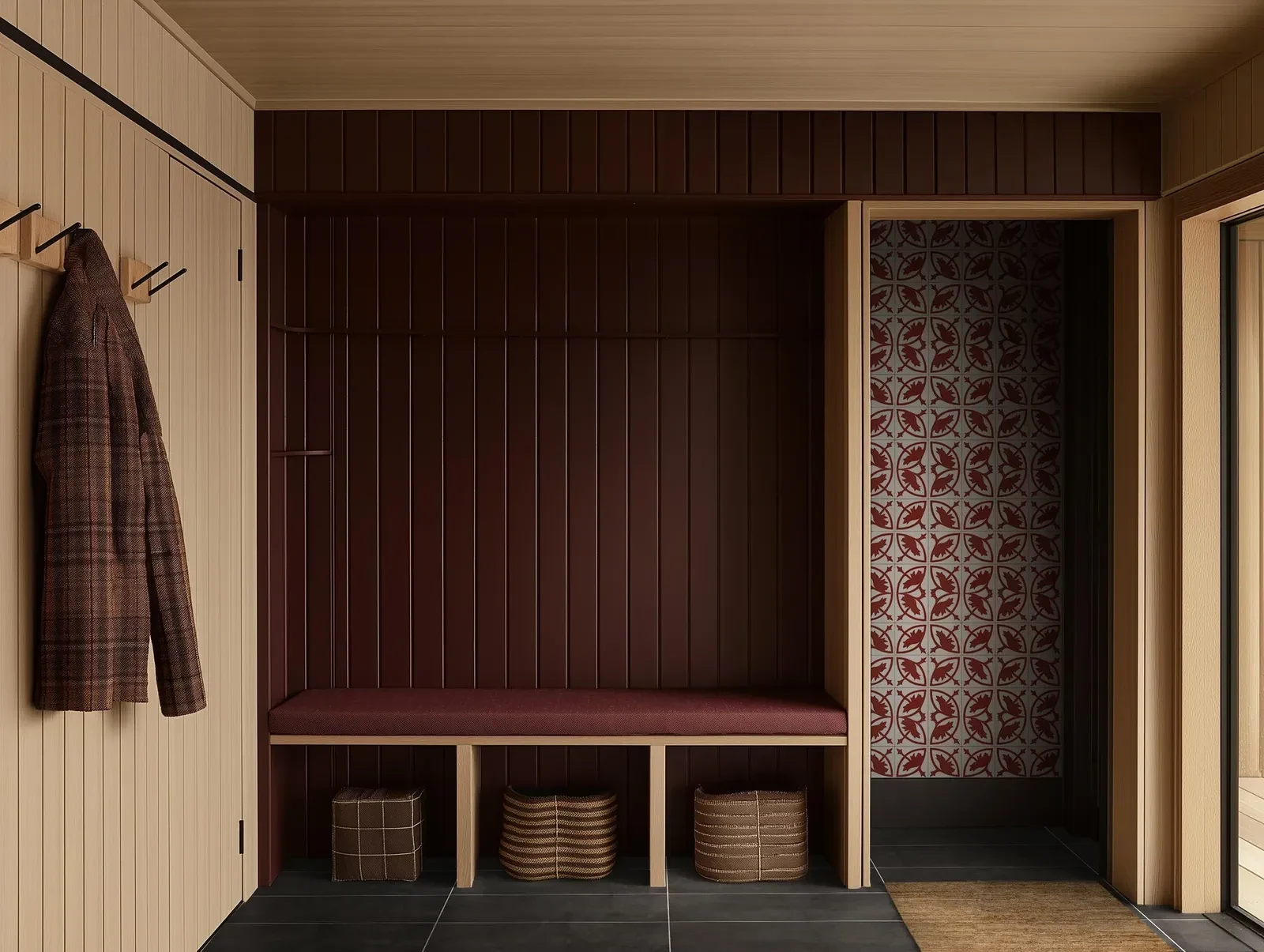
There are endless styles of modern wall paneling, from minimalist, vertical board and batten motifs to more intricate grid or slat designs. To identify which wall paneling is best for your space and how much installation will be required, ask yourself:
Do I want a full accent wall or just a portion of a single wall covered with paneling?
Do I prefer a symmetrical pattern or a more abstract approach?
Am I working with tall ceilings or a smaller space?
Your home’s aesthetic will also contribute to how this project can take shape in your space. Popular DIY paneling wall styles include:
Board and batten for traditional meets modern interiors.
Slat walls for a Scandinavian-inspired touch.
Box panels for geometric architectural interest .
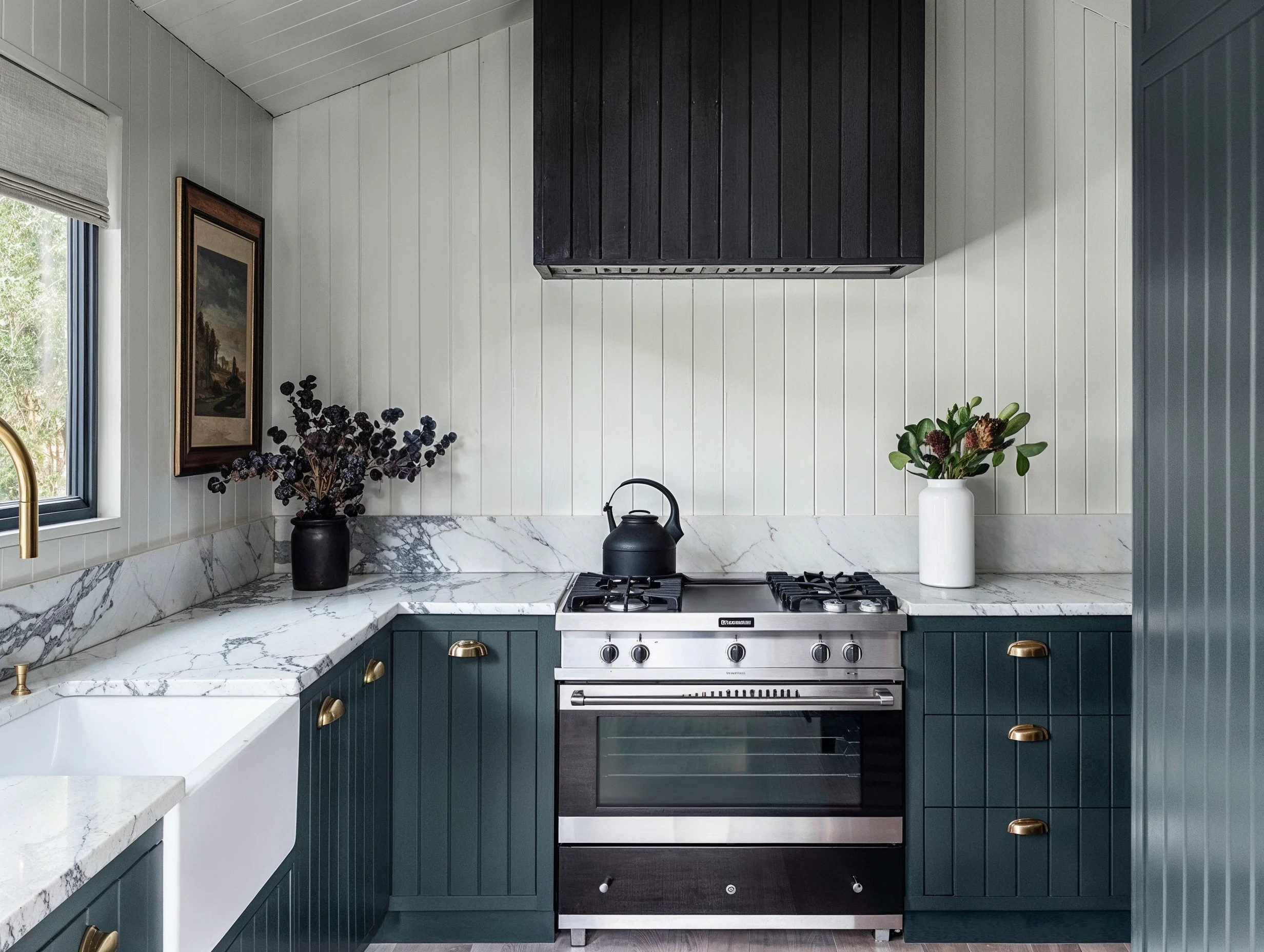
Beadboard or faux beadboard for a coastal or country look.
Shiplap for a farmhouse flair.
Reclaimed wood or rustic planking for a cabin-like coziness.
Prep Your Walls
When you’ve selected the type of DIY wall panels you’d like to install, prepping your walls is the next step. Basically, you want to make sure the surfaces where you’re installing the paneling are as clean, dry, and smooth as possible for optimal adhesion. That typically involves removing any outlets, wall plates, trims and moldings (all typically things that you’ll reinstall post-project). You should also remove nails and patch any nail holes that seem like they could create unevenness.
Installing Each Panel
Take your time measuring and cutting your boards or panels — it’s important to install the first panel level so each of your other panels will appear straight (versus crooked) in relation to it. Consider using construction adhesive to mount panels; this will make it so that you can use fewer finishing nails for reinforcement, which also means less time spent spackling post-nailing. If you’re working with solid wood, remember to leave gaps around the paneling edges, since wood can expand. 3/8 of an inch is a standard measurement for such gaping.
Paint & Finish
Finally, if you want to paint or stain your DIY wall panels, you can do that after installation. Just make sure you choose the right kind of product for your paneling, and follow manufacturer’s instructions for dry time in between coats for best results.
Extra Tips for Achieving a High-End Look on a Budget
Inexperienced DIYers will find pre-fab products and paneling kits to be great short cuts for getting a designer look without investing tons of money or time into installation. Look for pre-primed boards, which can make the painting process quicker, or off-the-shelf woods already stained to perfection.
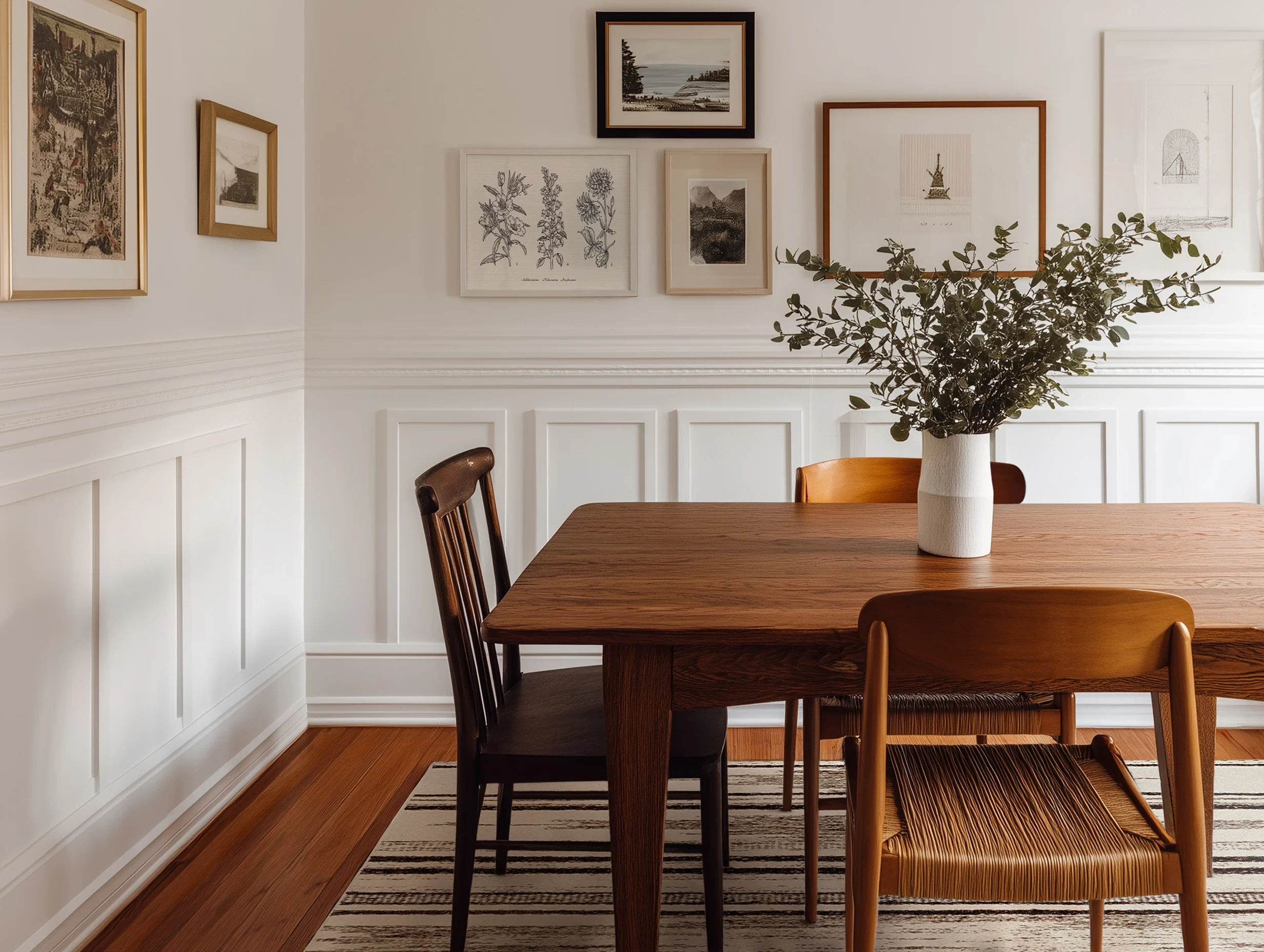
Milled MDF sheets can make bead and groove applications super easy, since you’ll be installing large pieces versus individual wood slats. If you don’t want to apply a full wall of paneling, you can always try picture frame molding, which uses pieces of trim on drywall to fake the look of box paneling. This look has been particularly popular as of late and gives rooms a Parisian or European flair.
How DesignShop Can Help
At DesignShop, we love seeing our users take their home’s design into their own hands and we’re here to guide you every step of the way. We can help you choose your DIY wall panels, find the right pattern of paneling, or even find the perfect paint color for your paneling project.