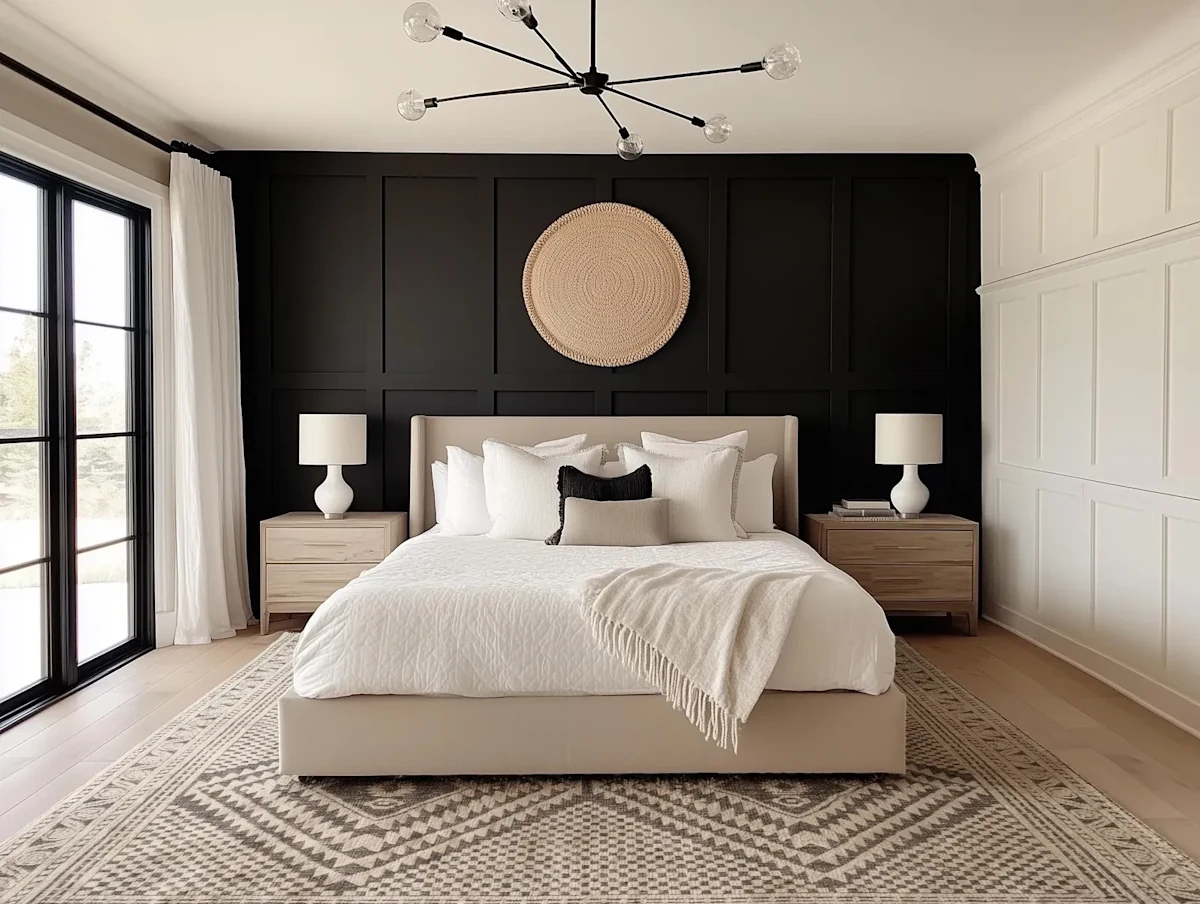
Accent walls sometimes get a bad rap for feeling dated or looking too high-contrast in the overall design scheme of a room. But in reality, they’re a great tool for emphasizing a space’s focal point or downplaying quirky architecture. Accent walls can also be a low-lift, low commitment way to experiment with bold color, pattern, and texture, which can set the tone for the rest of your decor. For all of these reasons, accent walls are worth exploring in a design project — they can be transformative and very budget-friendly, too.
Whether you gravitate towards paint, wallpaper, or wall coverings like wood paneling and wainscoting, plenty of accent wall ideas are available as inspiration. You might be asking yourself how to choose an accent wall. Well, it all comes down to the look you’re going for plus proper placement and construction technique. You’ll also want to think through your furniture and decor choices as well, so you’re complementing the accent wall versus working against it. Find the answers to these questions and many more by taking this deep dive into all things accent walls.
Why Accent Walls Matter in Modern Design
Though accent walls have waned in popularity somewhat since they burst onto the design scene in a big way in the late 1990s and early 2000s, there’s more than meets the eye with this decorating feature. On first glance, you might think a painted or wallpapered accent wall seems like you just ran out of budget — or supplies — to finish the whole room.
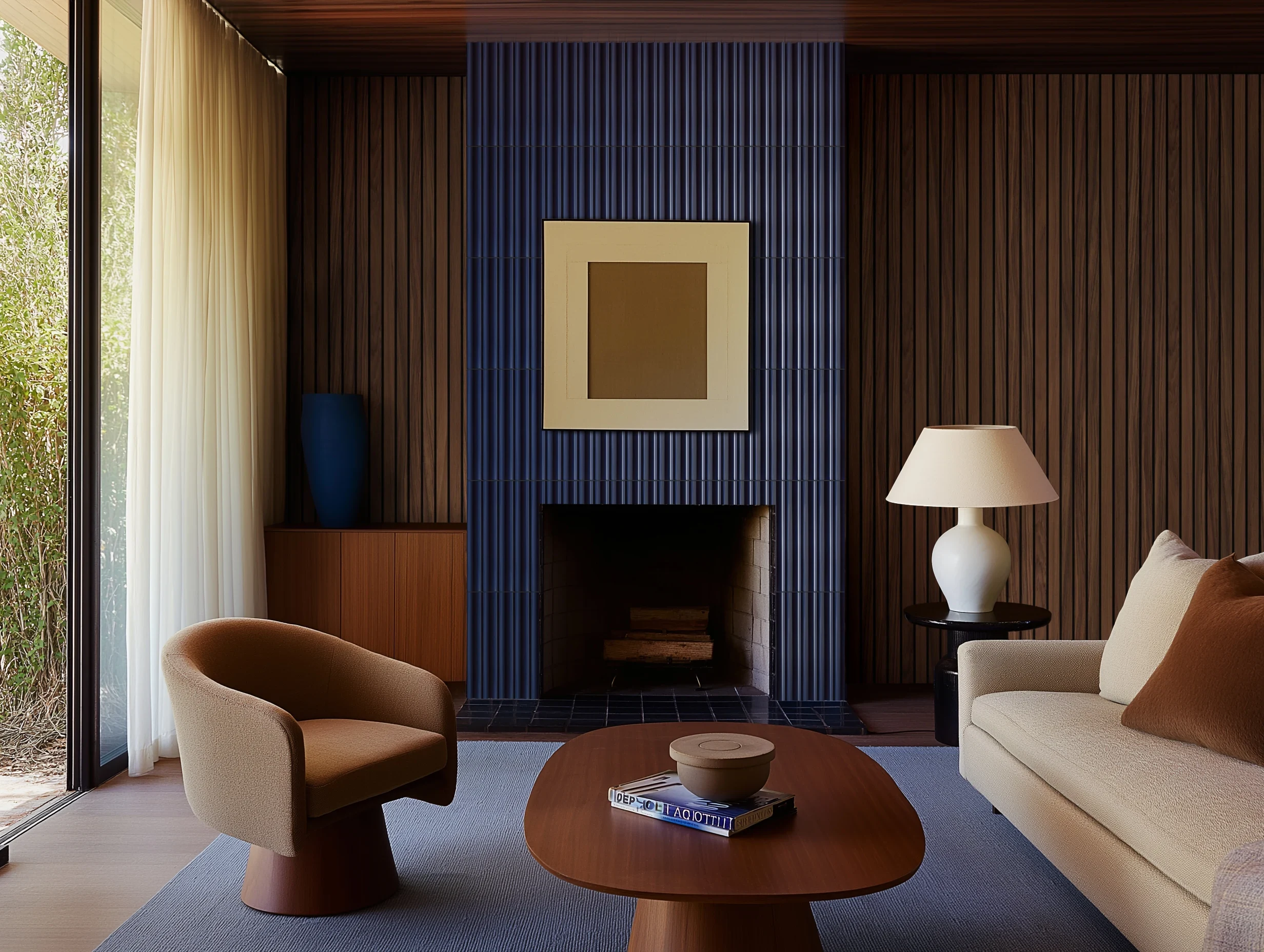
Choosing to accent a single wall, though, can give that area more gravitas within a space, further highlighting a favorite piece of art, furniture, or design feature. It’s also a great place to add a pop of personality and charm into a space. And as far as the myth of accent walls being outdated? Well, many accent wall ideas, especially those that include moldings, wood trim, and neutral colors, mix well with modern and transitional design schemes.
Sometimes accent walls can be used strategically to conceal less desirable elements, too. Consider a bump-out fireplace living room wall, for example. Maybe you want to hang a TV over that fireplace. Painting the bump-out wall black when, say, the surrounding walls are white, is a great way to make the flatscreen recede into space visually when it’s off. But it’s also a strategy for highlighting a variance in architecture artfully.
Finally, an accent wall can break up a large room that’s full of long, plain walls. Sometimes, one can be a great way to achieve visual balance and interest.
How to Choose the Right Wall to Highlight
To make an accent wall stand out in a good way, it’s important to pick the right wall for whatever special wall treatment you’re planning. It’s not as simple as just choosing any wall, though. For best results, you’ll want to select a wall that:
Is the natural focal point of a space (due to its placement opposite the room’s entry point or the fact that it’s anchoring a large piece of furniture, like a living room sofa or bed)
Has an architectural feature that already makes it stand out within the floor plan of a room (for example: a fireplace, lots of windows, built-ins, etc.)
Could create a better sense of symmetry, especially if a room has a strange layout, is very large, or possesses competing focal areas
Ultimately, your house is your haven, so if you want to choose a wall that goes against these criteria, that’s okay. Just know you might have to implement other strategies to get it to truly stand out the way an accent wall should.
Painting Accent Walls: Color, Contrast & Balance
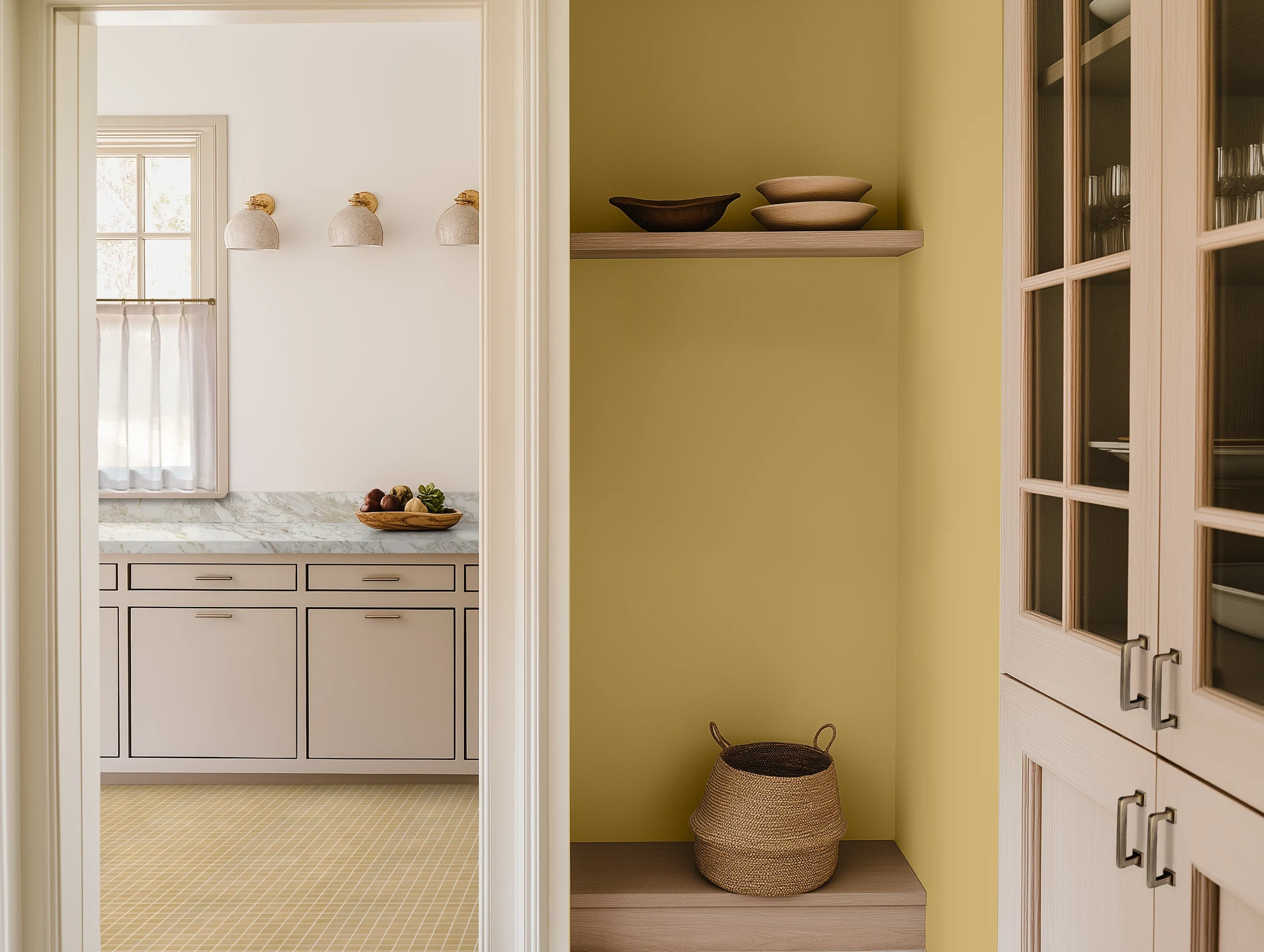
If you’ve decided on a painted accent wall, the color you select for that wall can make all the difference. Accent walls of the past tended to be very high-contrast (think: a red accent wall against white walls). Nowadays, designers prefer less harsh pairings for a more soothing effect.
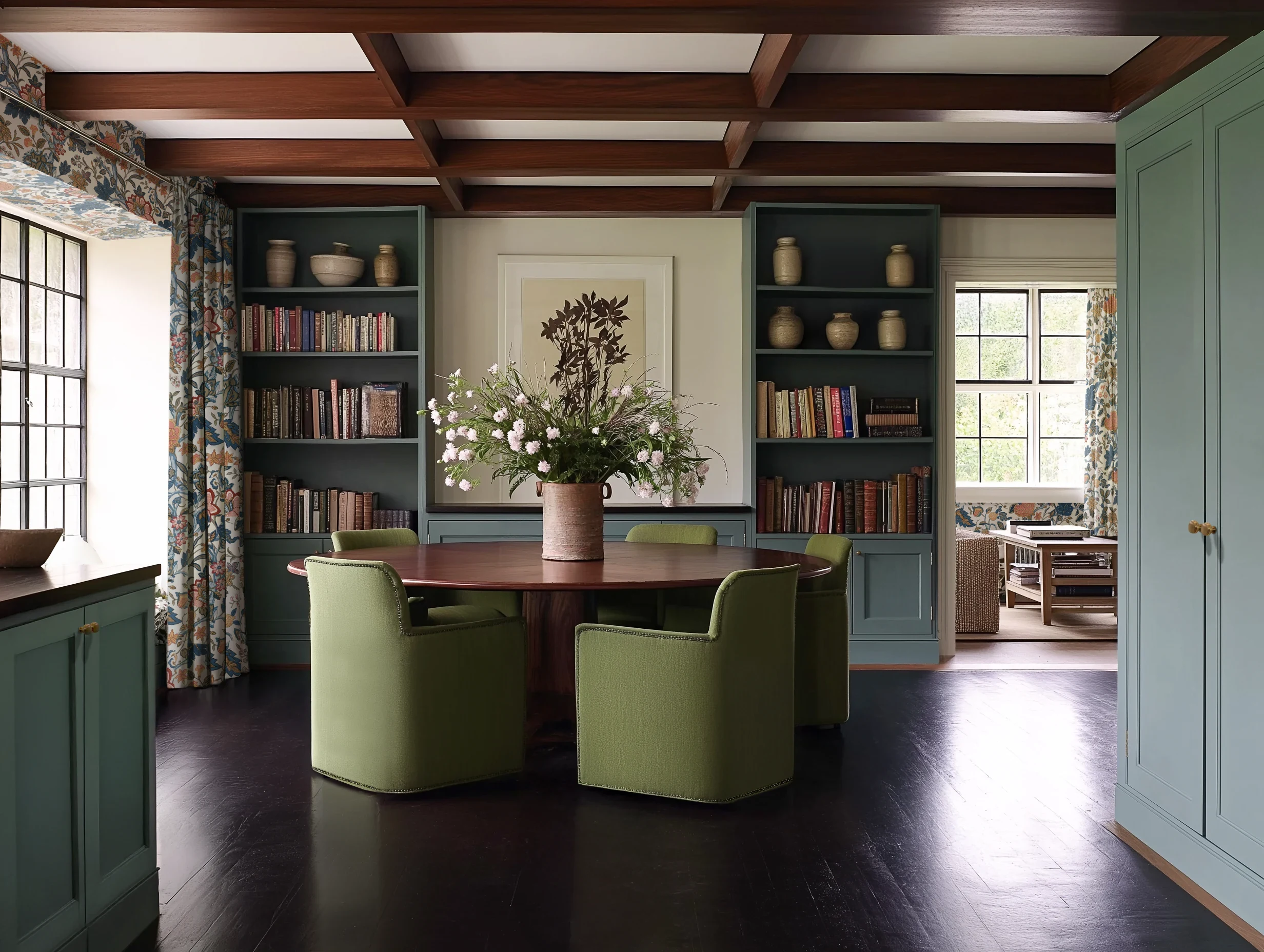
The best way of painting accent walls? Stick to a neutral palette for both your accent wall color and your predominant wall shade. Brighter, bolder shades can’t evolve with your decor style as easily as neutrals like beiges, browns, greens, grays, and other softer hues do. These earthier, more muted shades are great foundations for layering in decor that features patterns and textures.
Accent Wall Ideas for Every Room in Your Home
You have way more choices than you think when it comes to accent walls. These are among the most popular and easiest to pull off.
Painted Walls and Murals
Paint is the easiest way to create an accent wall, but the level of skill needed for the job depends on the design you choose. A simple solid accent wall is a project that can be done in a couple of hours, while abstract designs or patterns like stripes will always take longer to prepare for and complete.
You can try this style accent wall just about anywhere, from a tiny stretch of wall at the end of a hallway to a larger feature wall in a room.
Wood Trim Walls
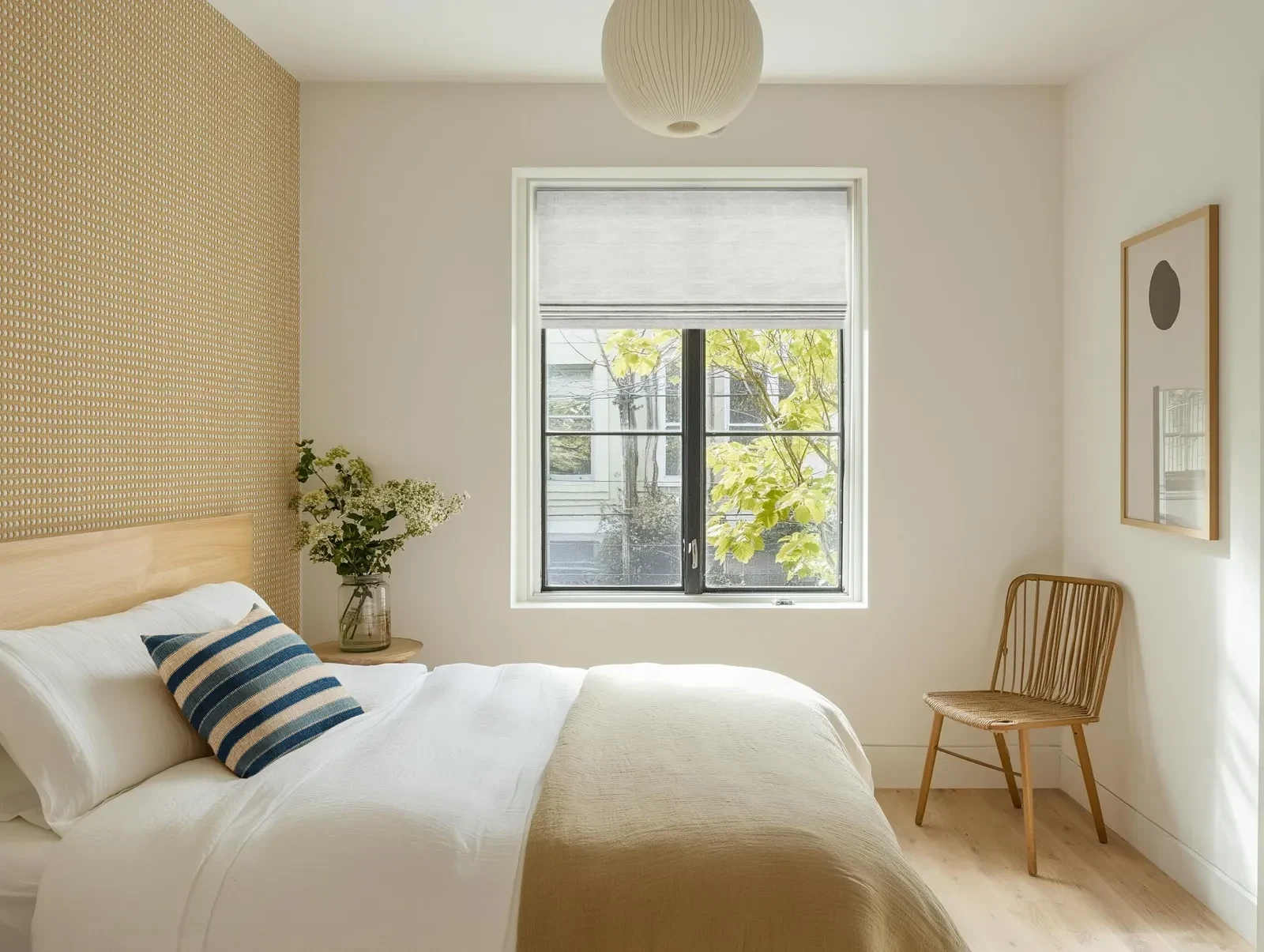
If you want traditional-meets-modern accent wall ideas that pack extra warmth and charm, moldings and wood trims could be your best bet. Board and batten, picture frame molding, wood paneling, and fluting can all be installed on a lone wall in a room very successfully. These types of accent walls are a great choice behind beds in bedrooms and televisions in living areas because they emphasize those natural focal points beautifully.
Natural and stained wood paneling often create a rustic look, while fluting tends to be graphic and reads as very contemporary, no matter its color or finish. Board and batten and picture frame moldings are somewhere in the middle, depending on the art, decor, and furniture you style around them. These moldings can also be painted for a more colorful look if you want to go that direction versus plain white.
Wallpaper
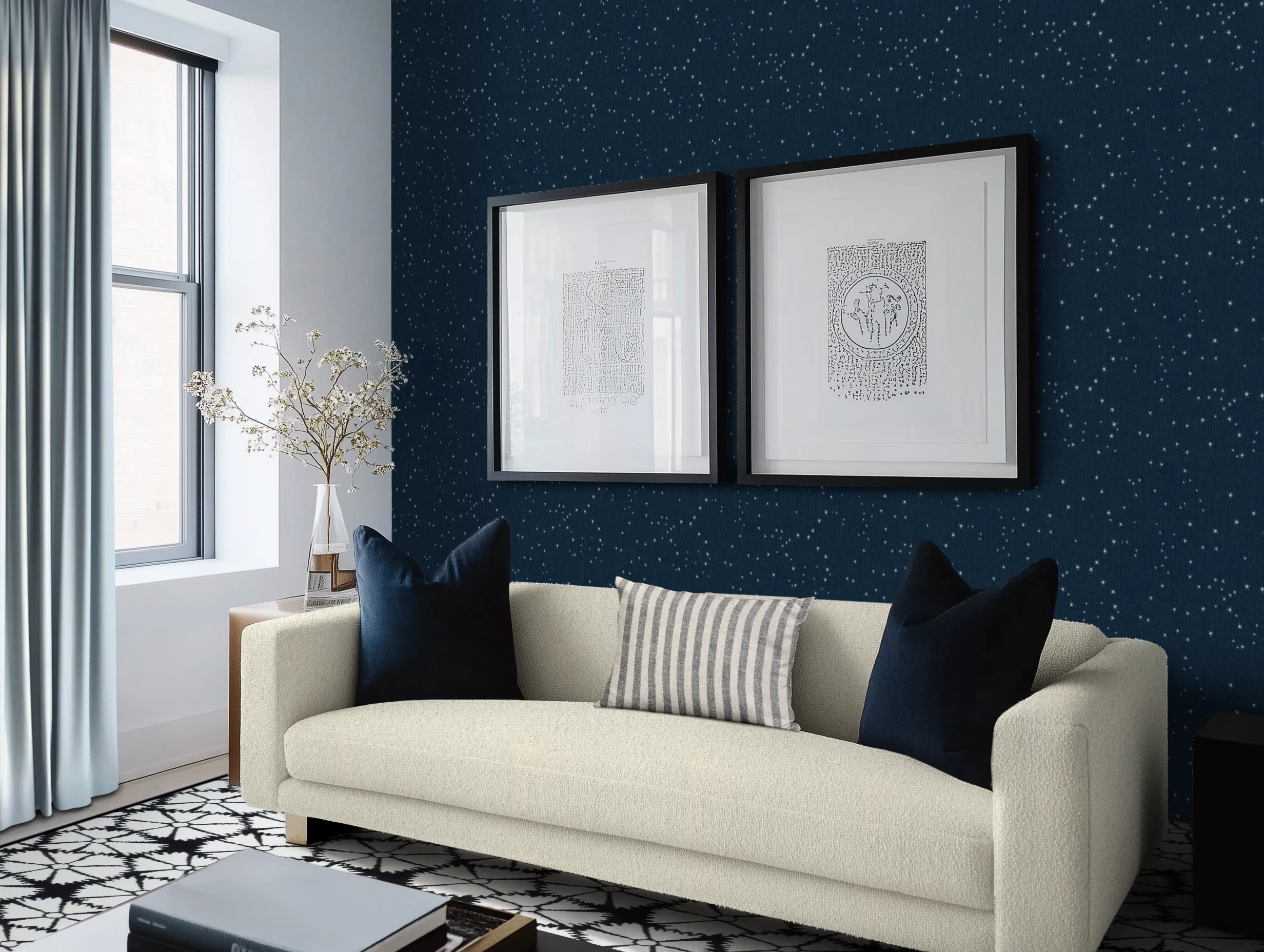
If you’re looking for a more impactful pop of pattern, wallpaper might be the way to go. You can choose something subtle or go bold here — it all depends on what kind of patterns you like and what kind of space you want to create, whether that’s relaxing or energizing or something else entirely.
With wallpaper, you also have a few choices in terms of installation. A great, low-commitment way to try out a wallpaper accent wall would be with peel-and-stick wallpaper, since it’s removable. Traditional paste papers will work all the same, though; they’d just take more effort to change down the road.
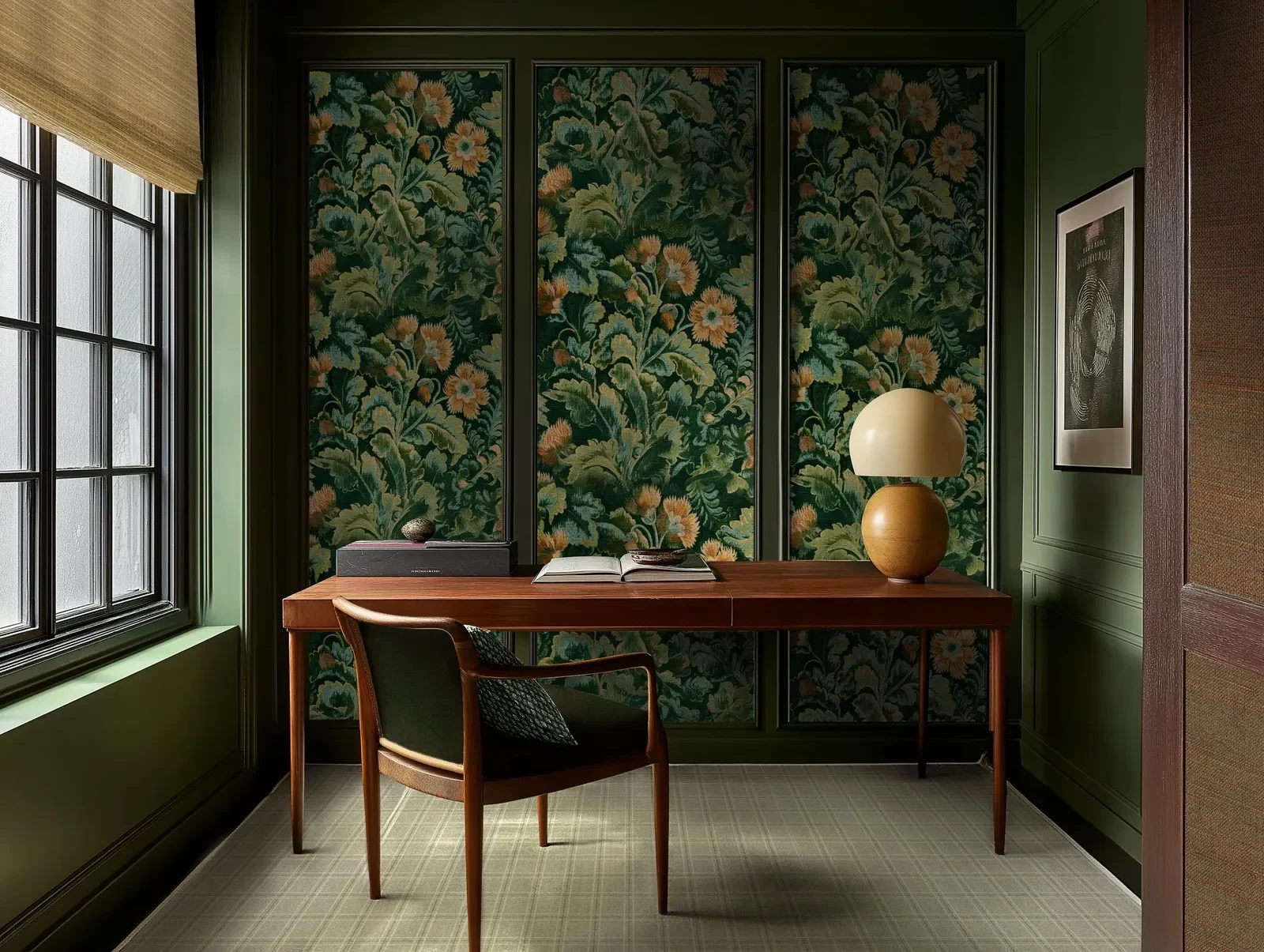
Another idea for a wallpapered accent wall? Creating picture frame molding squares or rectangles along your accent wall and then only wallpapering inside the squares. You can pick a coordinating paint color for the outside areas. This look is especially cute in children’s rooms.
Common Accent Wall Mistakes to Avoid
Accent walls are a very DIY-friendly home project, but certain missteps can derail the end results. Here’s what to avoid if you want to take this project on in your home.
Accenting Too Many Walls
An accent wall loses its luster and decorative impact when it has to compete with other accent walls for attention. Don’t put more than one accent wall in a room; otherwise, the space might feel disjointed.
Picking the Wrong Wall to Accent
When choosing an accent wall, it’s best to not work against the natural focal wall in a space. If a wall is standing out because it has interesting architecture (think: a wall of windows, a fireplace), it’s probably a good choice for an accent treatment of some sort. Same goes for a wall where a prominent piece of furniture will be placed, like a bed, sofa, or desk.
Choosing the Wrong Accent Color or Pattern
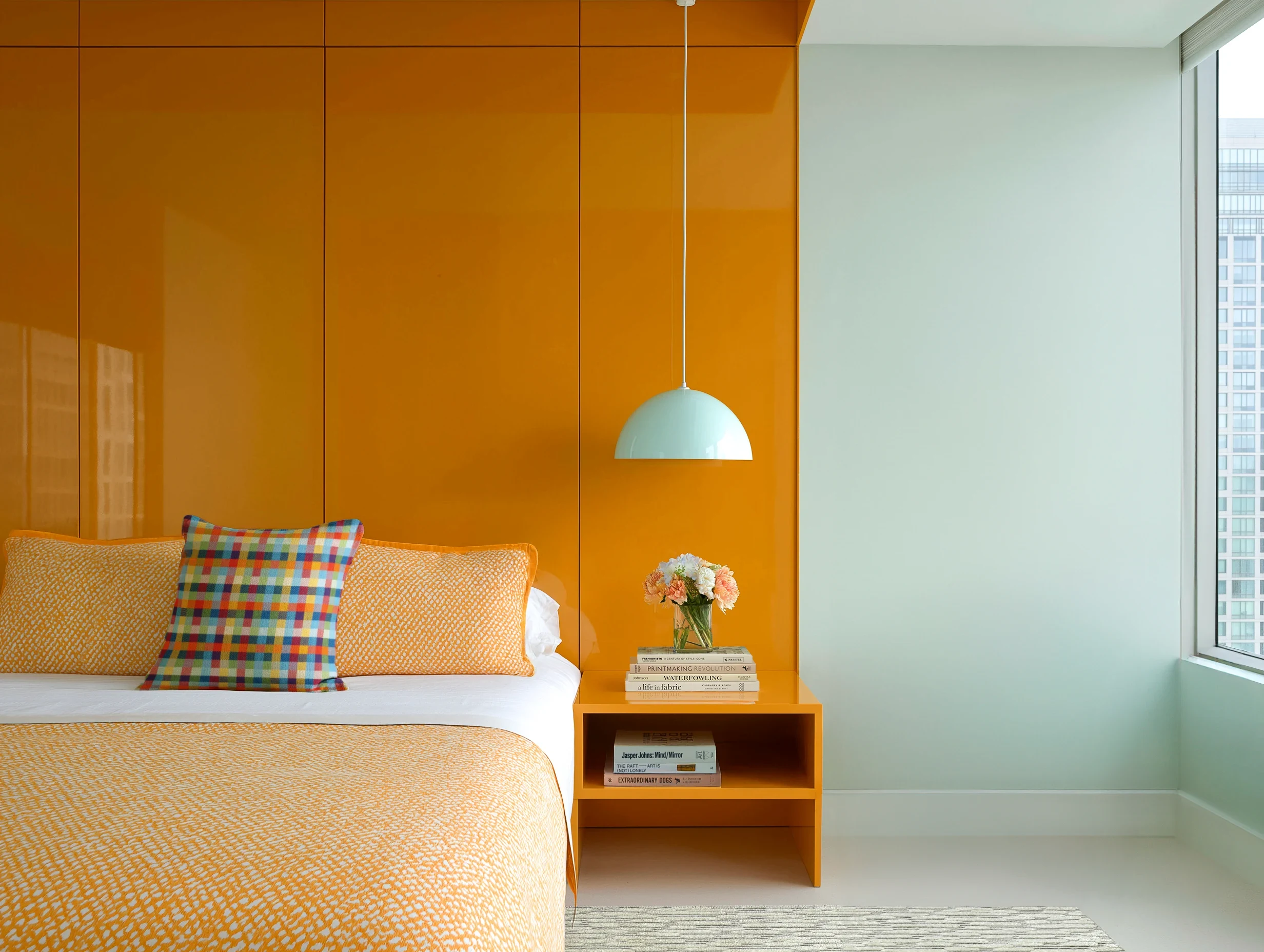
If you love bold colors, then you might be totally fine with a very vibrant accent wall. But designers have moved away from accent walls that “scream” in favor of ones that “whisper.” A neutral accent wall is much easier to pull off than a loud neon one. And neutral colors are easier to decorate around, too.
The same goes for wallpaper. If you love a busy pattern, great. But you may tire of that kind of a print — or a super trendy one — quicker than you would with something that’s softer or more classic.
Skipping Prep Work or Using Low-Quality Materials
Invest in well-made wall coverings, trim, and paint. Be sure to follow the manufacturer's instructions for application.
Tips for Pairing Accent Walls with Decor and Furniture
The biggest takeaway when it comes to pairing accent walls with decor and furniture? Clashing isn’t the way to go. You don’t want your furniture, textiles, artwork, or accessories competing with the accent wall; instead, they should harmonize. Be sure to choose an accent wall covering or color that works well with your existing furniture. Or, if you’re redecorating and want to start with the accent wall first, use its look and feel to inspire the rest of your color palette and interior design style.
Try It Before You Paint with DesignShop Samples
If you’re looking for paint (or wallpaper and wall covering) inspiration, you’ve come to the right place. DesignShop stocks color samples for thousands of colors, so you’re bound to find the right match for your accent wall ideas.